Reef Flights & Boat Tours Guide
So what’s the best way to see the reef from the air, and is it worth bundling it with a boat tour? The answer is simple: take a scenic flight (ideally by helicopter) and pair it with some time on the water. Don’t do one or the other, and you’ll only get a glimpse of what all the fuss is about.
I’ve put on trips in Tropical North Queensland and The Whitsundays for years now, and the numbers are dead consistent. The people who combine a flight with a proper guided tour of the Great Barrier Reef walk away with a real sense of the place – they get the scale, the geography and the marine life. Those who skip one of the two? They have a good time, I’m sure, but something just doesn’t click.
This isn’t about ticking off checklists. It’s about actually getting it.
Seeing The Reef From The Air Up Close
From down at sea level, the reef can feel pretty confusing. You’re floating over coral, but you’ve got no idea how all the different bits fit together. From up in the air, that confusion just disappears.
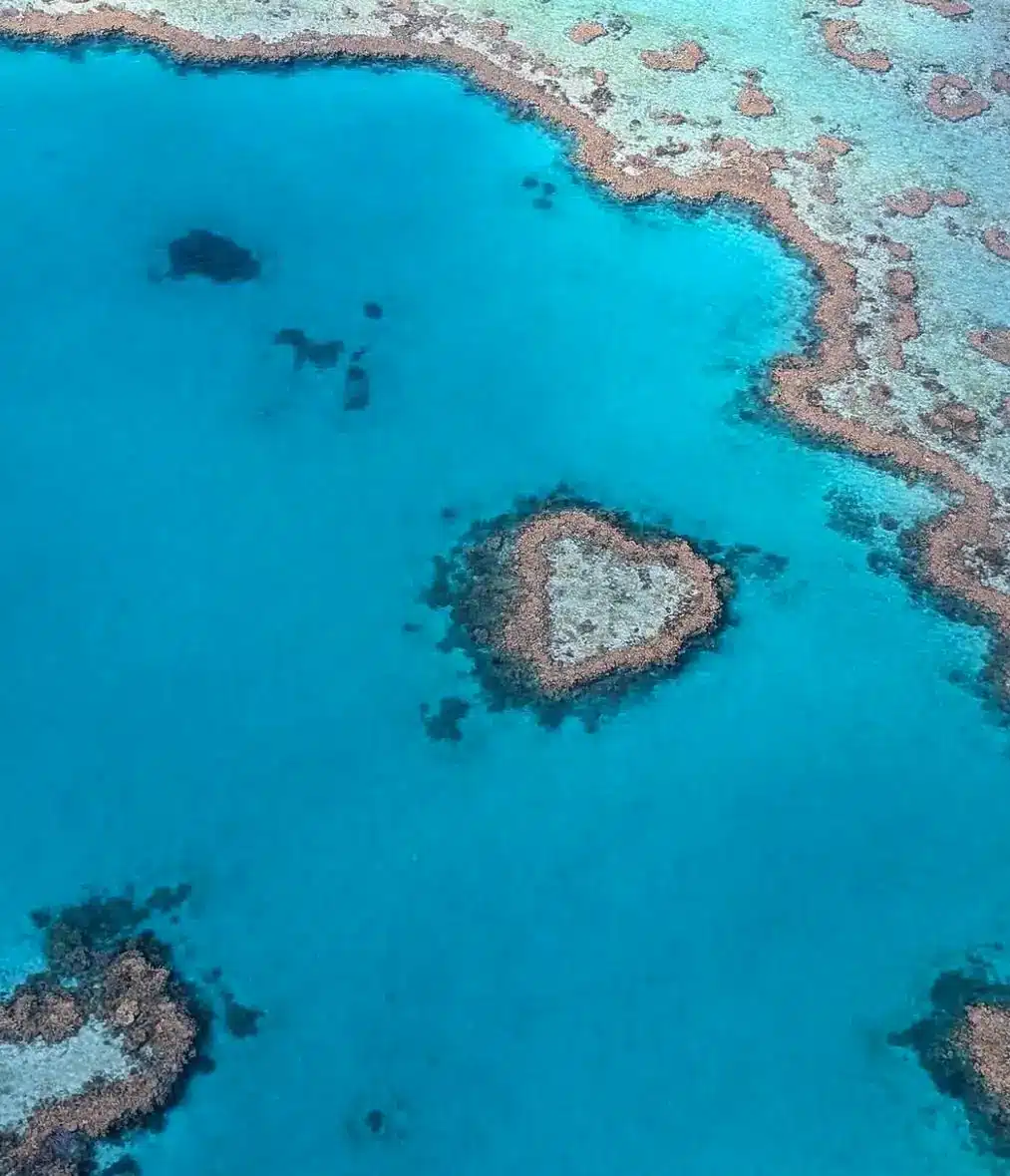
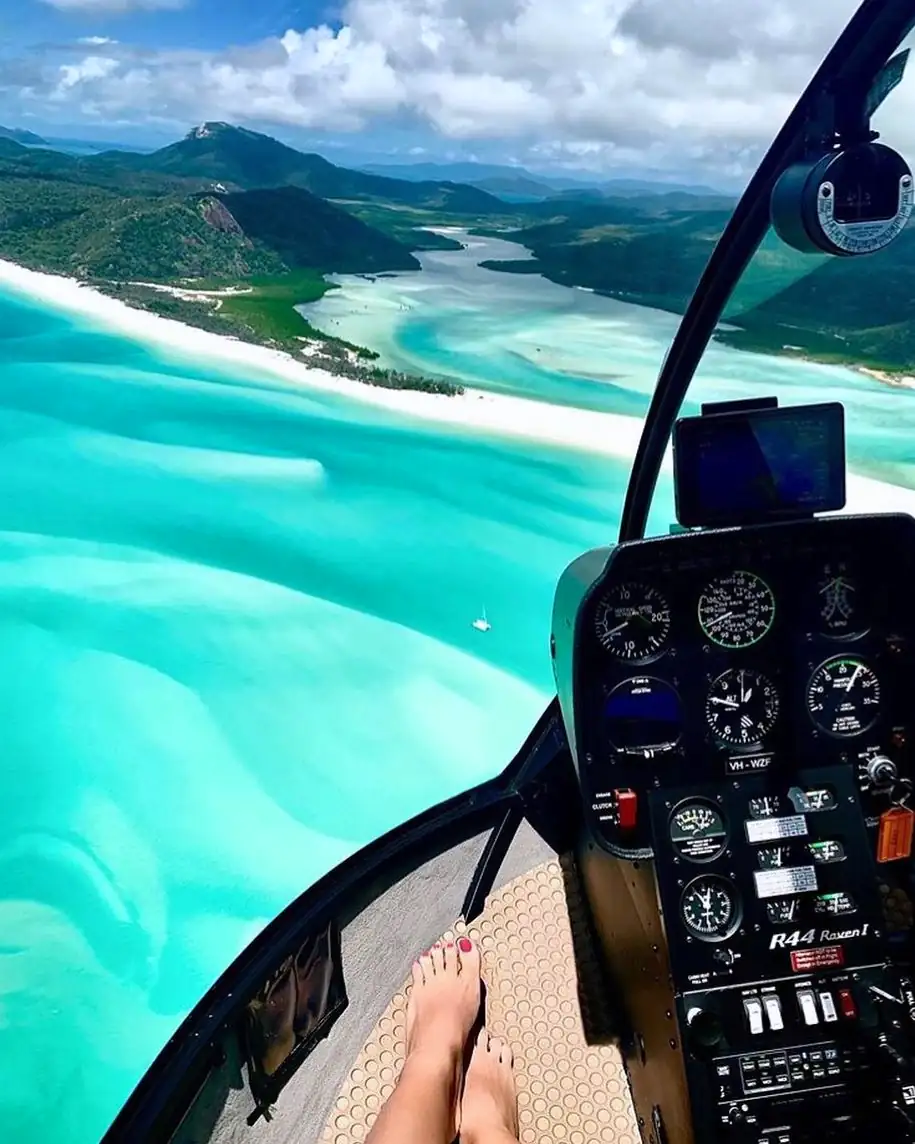
Helicopter Flights - The Bee's Knees
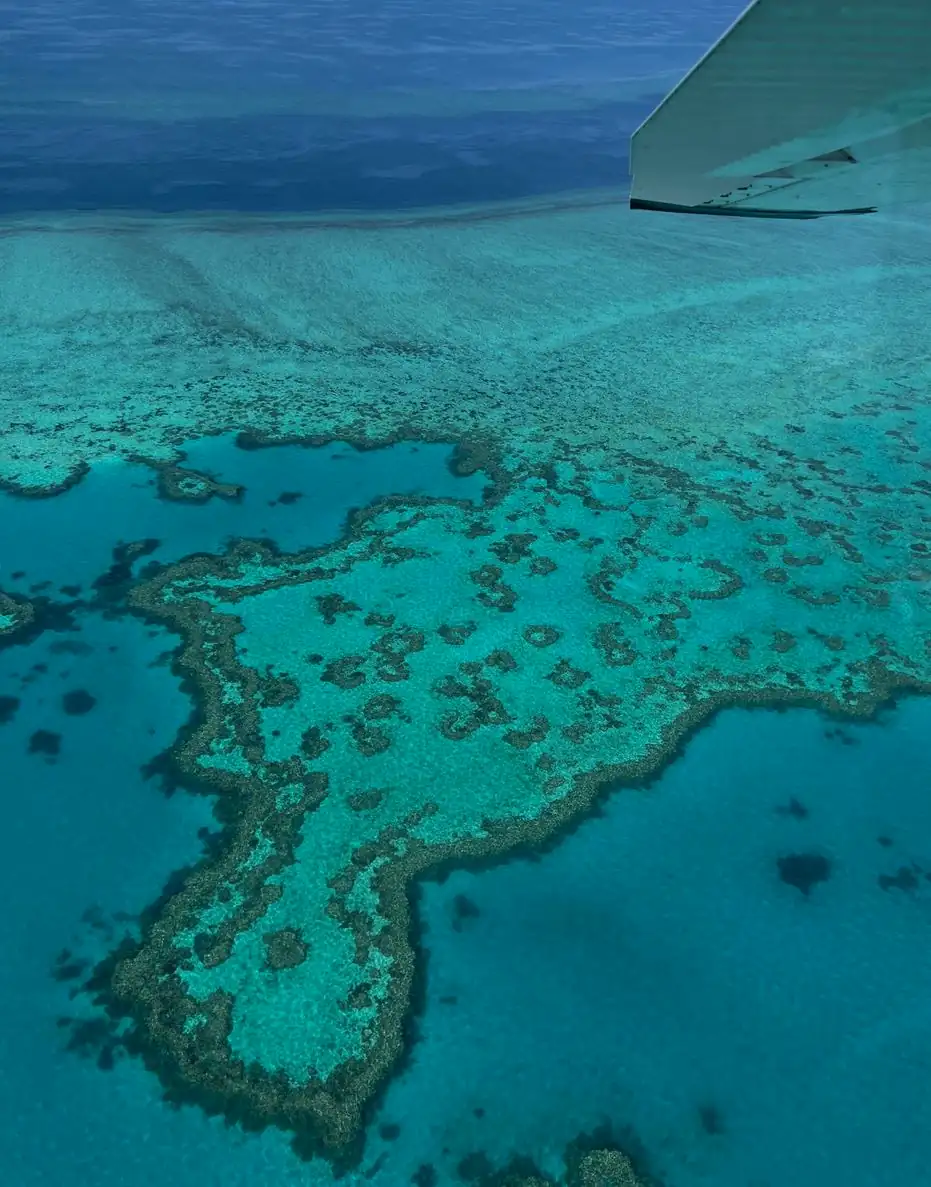
A helicopter ride is hands down the best way to get a real handle on the reef. Firms like Nautilus Aviation and Hamilton Island Air run flights from Airlie Beach, Hamilton Island and Port Douglas, taking you low over some of the reef systems that are really worth a look.
You’ll see some of the famous spots like Heart Reef, but the real value is being able to spot reef edges, sand channels, and coral gardens that most people never see from the water.
Now, here’s the thing that catches people out…
Flights that you take in the middle of the day can get a bit bumpy – especially in the build-up season. Morning flights are usually smoother, and the light is better for taking photos too. I’ve seen travellers come back with rubbish photos because they didn’t think about how to get the best shot with the sun glare. If you’re into photography, just shoot in raw and use aperture mode – that gives you a fighting chance against those reflections.
In terms of costs, you’re looking at around $350-$700 AUD per person.
Fixed Wing Flights: A Different Experience
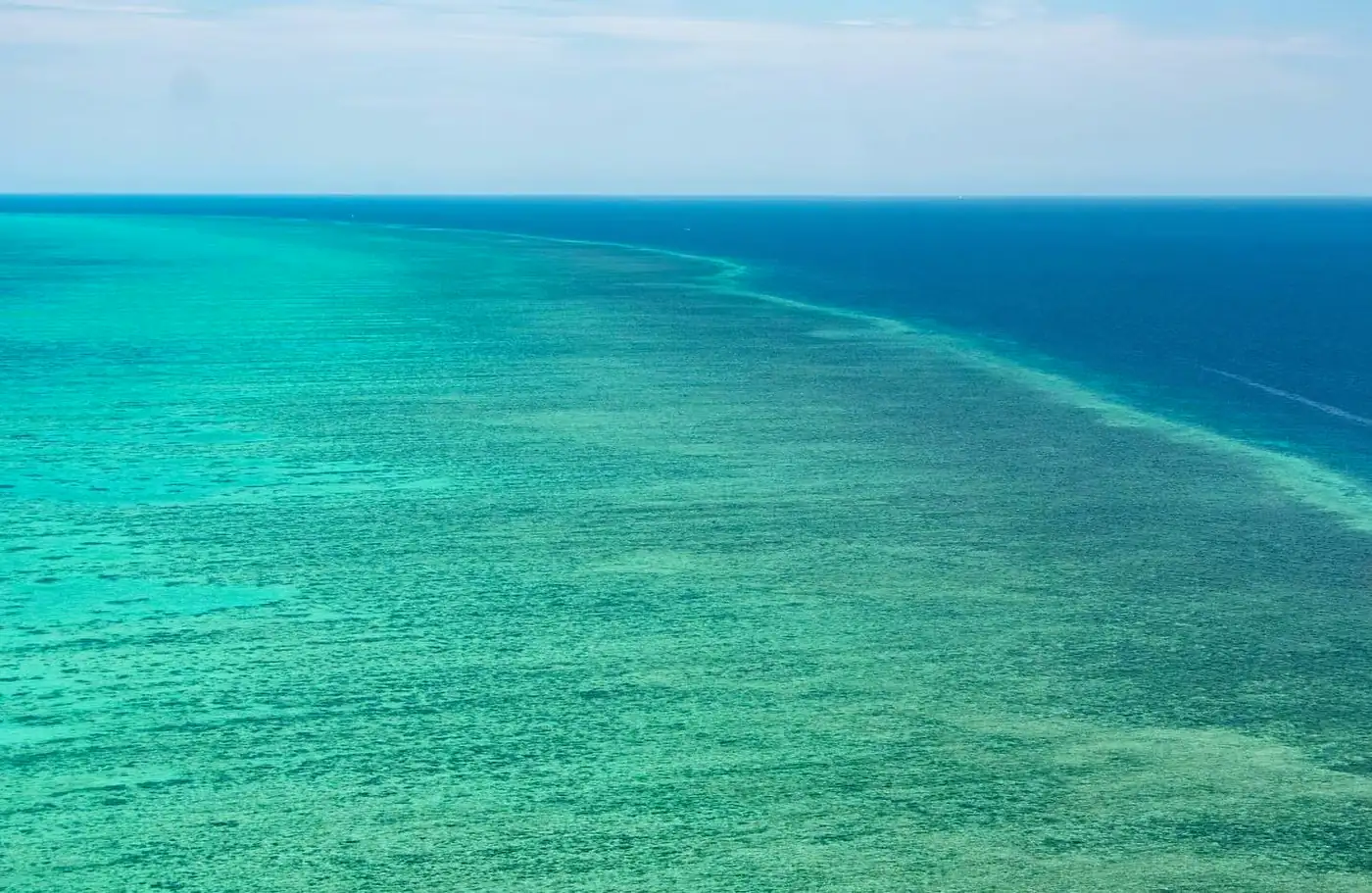
Fixed-wing scenic reef flights are steadier and a fair bit cheaper. You’ll be higher up, but you’ll get to see a lot more of the reef. That’s really useful when you want to get a sense of the sheer scale of the place.
You’ll get to pass over systems like Hardy Reef, Arlington Reef and long stretches of the Coral Sea that just don’t come across from a boat.
The reef stretches over 2,300 kilometres, according to the Great Barrier Reef Marine Park Authority. And from up above, that really starts to make sense.
What Most People Get Wrong About Flying Over The Reef
Here’s the thing. People always think the flight is the main event.
It’s not.
It’s your guide to how all the different bits fit together – the scattered reef systems, the sand cays and the coral shelves. Without that context, your time in the water just feels disconnected.
Water Is Where The Reef Comes Alive
This is the bit that people so often get wrong. Looking at the reef from the surface is one thing – but actually being in it is an entirely different story altogether.
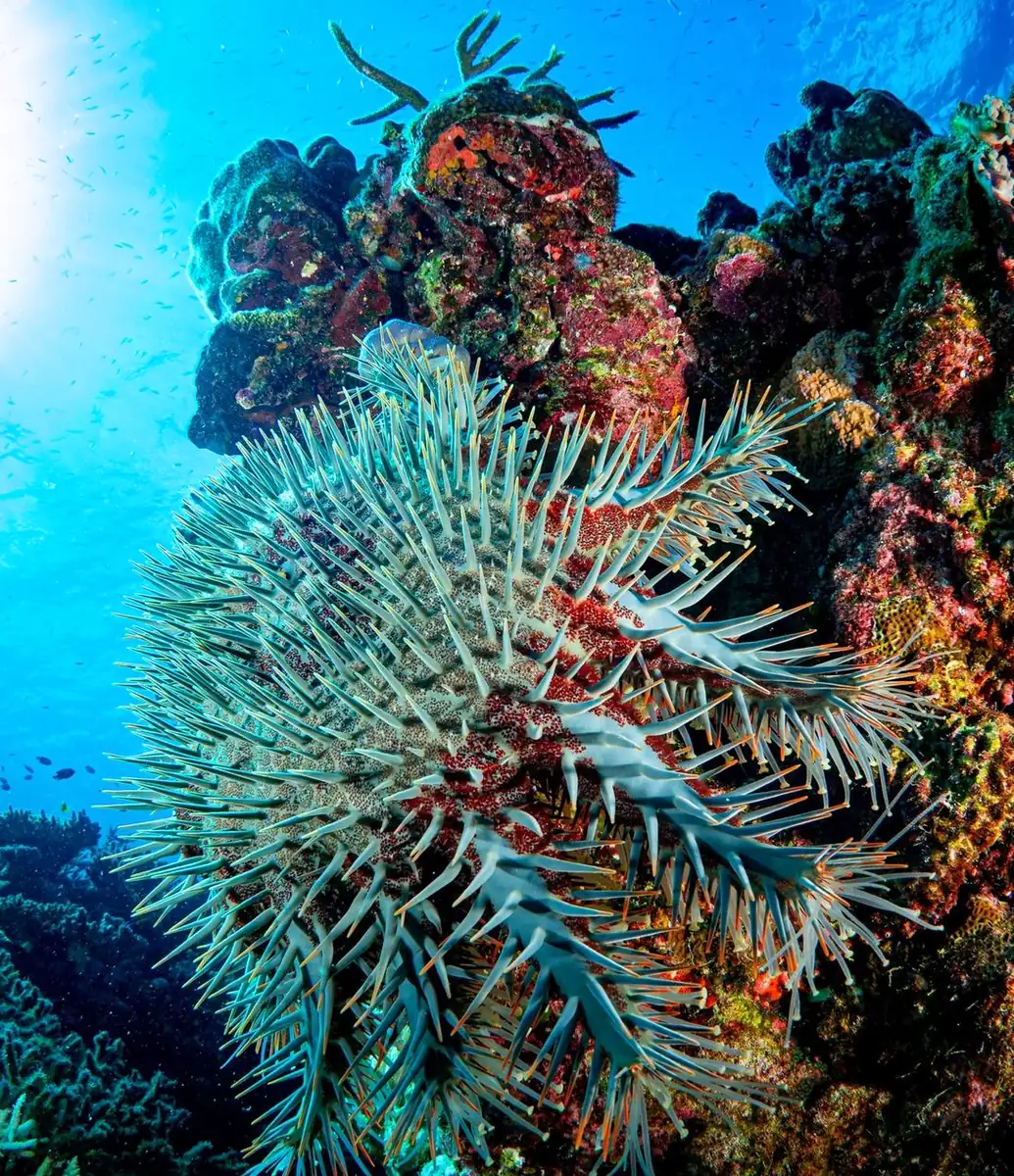
Snorkelling and Diving: The Reef Transforms
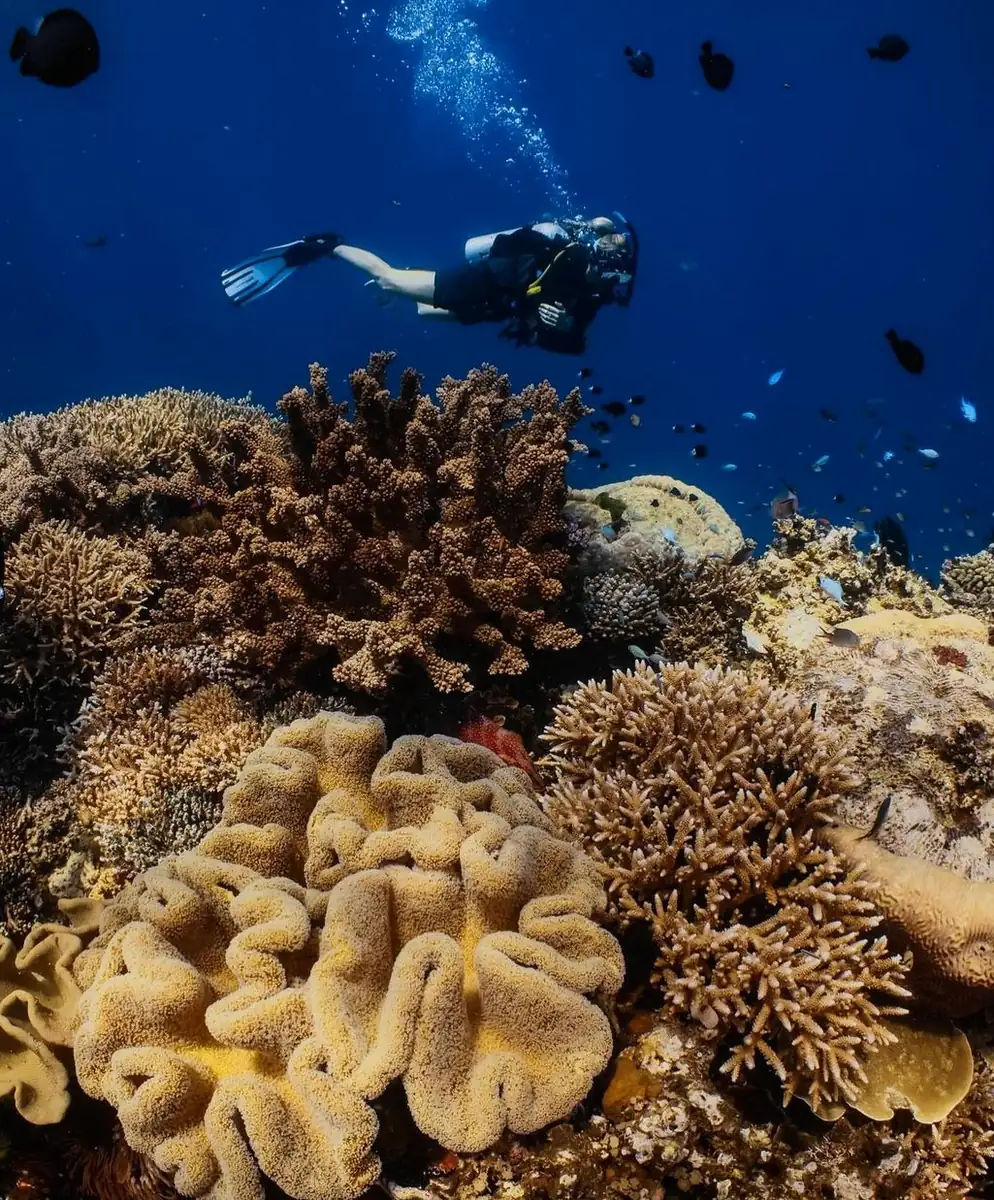
Once you’re actually in the water, you’ll see the reef in a whole new light. It isn’t just a landscape – it’s a living, breathing ecosystem.
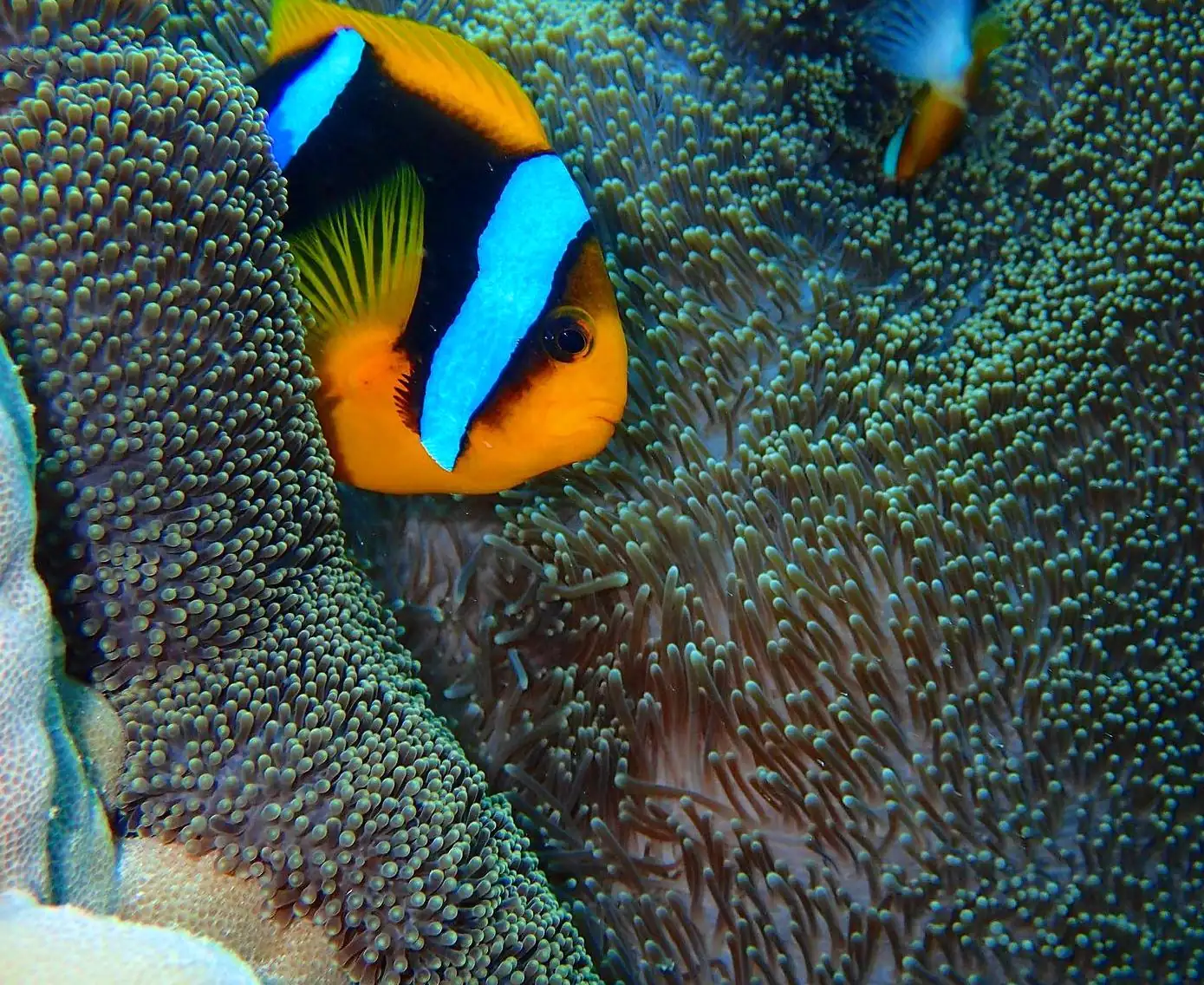
You’ll be amazed by the Reef Fish darting in and out of the coral, Maori wrasse cruising past you with barely a second glance, and even the occasional reef or white tip shark gliding effortlessly along the bottom. And if you’re lucky, you might even spot moray eels peering out from the gaps in the coral, just waiting for their next meal.
Even complete beginners can give it a go with the snorkelling gear that’s usually provided – you just need to be willing to listen to the safety briefings. Don’t be put off if you’re not a strong swimmer; currents on the Outer Reef can be a nasty surprise if you’re not prepared.
The water temperature is a pleasant 24-29°C most of the year, but during the stinger season, you can bet your bottom dollar you’ll be kitted out in a full wetsuit – it’s not the most stylish thing, but it’s a must.
Platforms vs The Outer Reef: Where People Waste Their Money
This is where I see the most people making a mistake – they book the easy option, without doing their research.
| Access Style | Example Locations | What You’ll Notice | Who It Suits |
|---|---|---|---|
| Pontoon Platforms | Moore Reef, Quicksilver pontoon | Stable, controlled environment, more people | Families, non-swimmers |
| Outer Reef Trips | Hardy Reef, Arlington Reef | Better coral health, fewer crowds, deeper drop-offs | Confident swimmers |
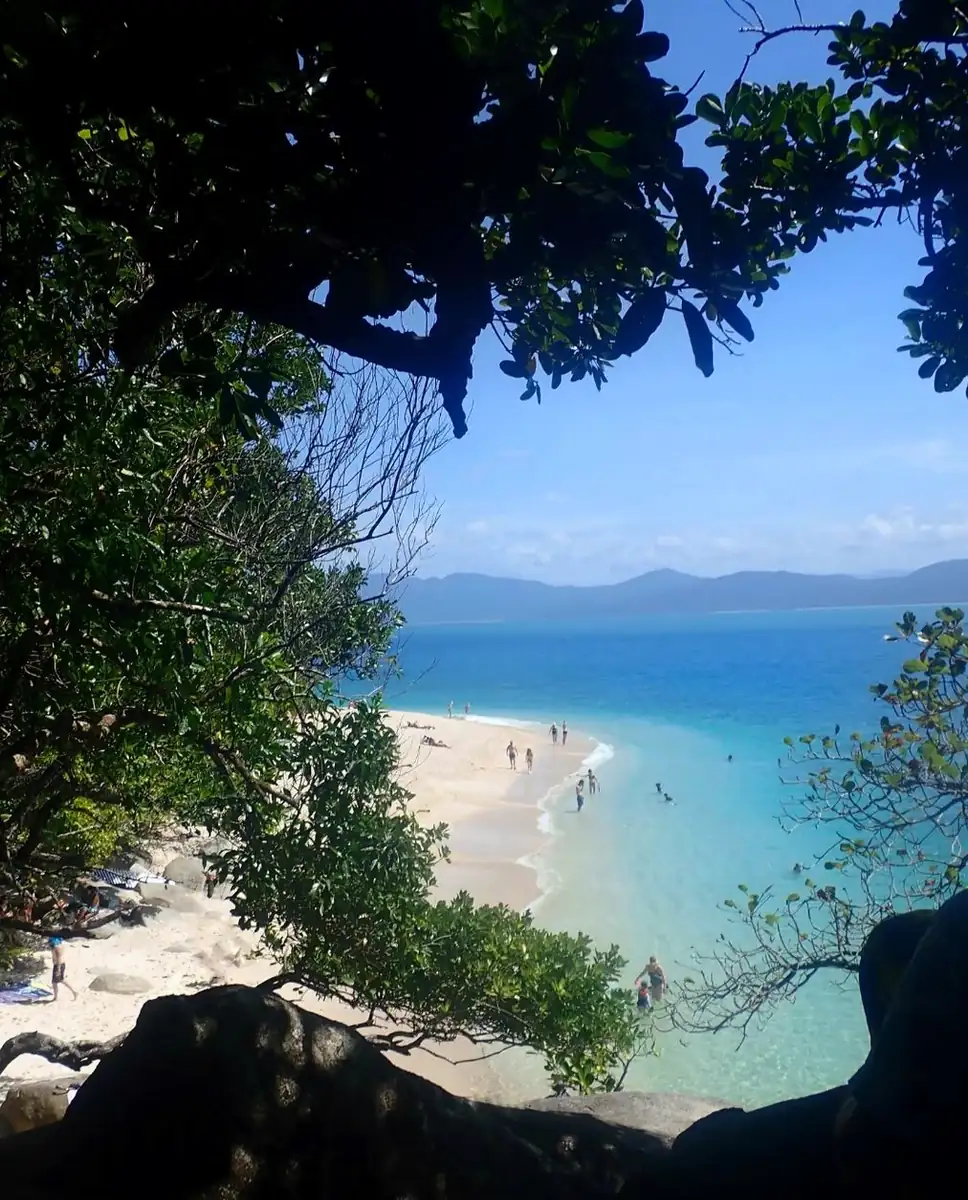
| Island Reefs | Green Island, Fitzroy Island | Easy access but mixed reef quality | Short stays |
Operators like Sunlovers Reef Cruises or similar outfits offer extras like a ride on a glass-bottom boat or a semi-submarine, and even let you hang out with some marine biologists to point out the cool stuff. That’s a decent compromise if you don’t feel like taking the plunge – literally
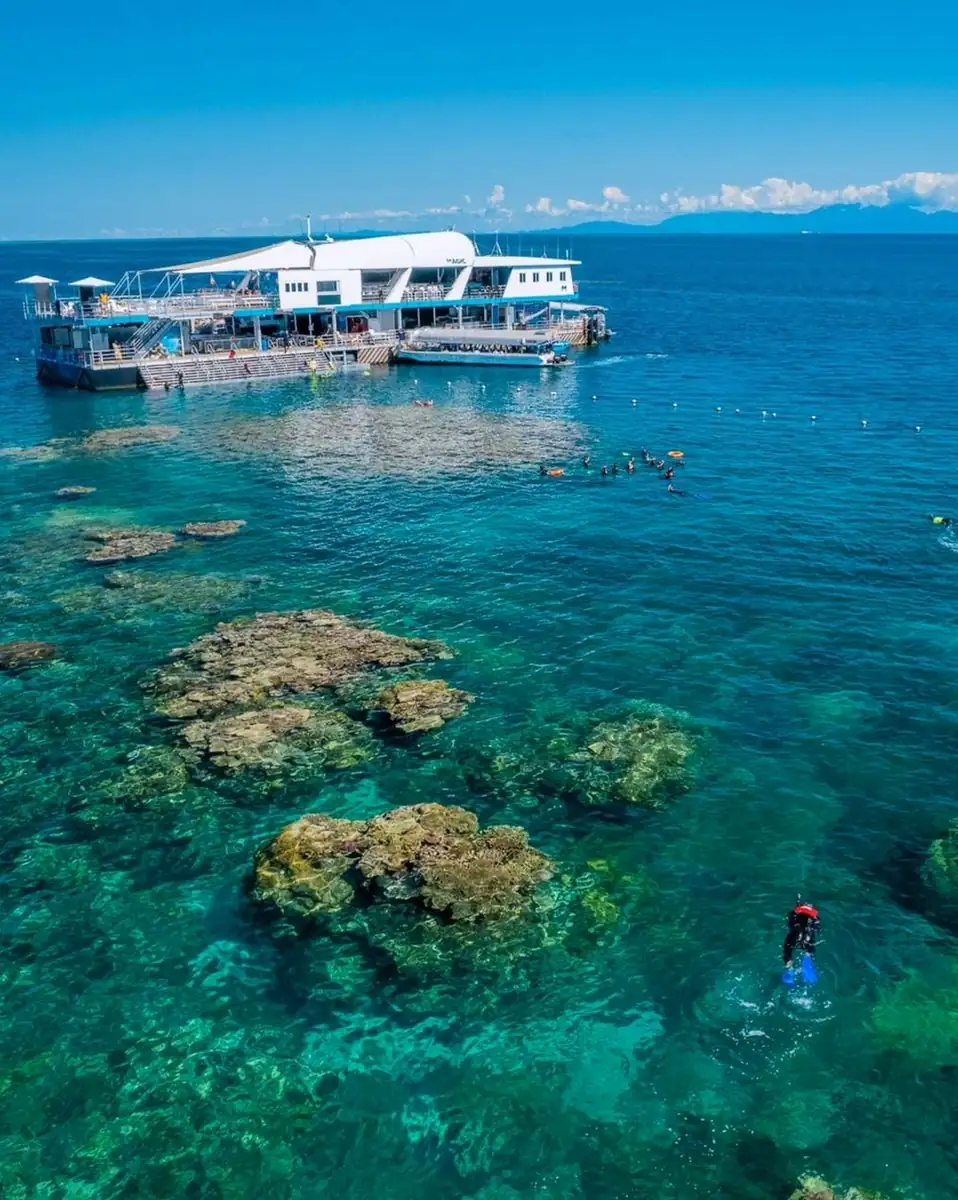
Expectation vs Reality (What You Really Need to Know)
Expectation: Picture postcard perfect coral, not a single other human in sight, and water so crystal clear it’s like looking through a bottle
Reality: Some parts of the reef are pretty stressed out, aside from whoever is looking after it. The water can go from super clear to murky in a day, and popular places get mobbed.
That’s why going a bit further out to the outer reefs can make a big difference.
How combo experiences really work
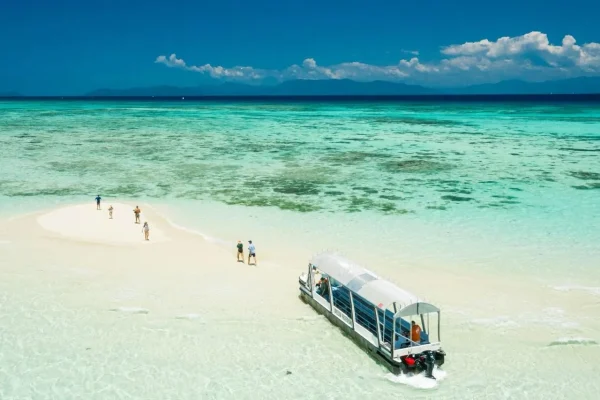
Reef & island combos, or tours of the Great Barrier Reef, usually mix a scenic flight with a stop at the reef to get in the water snorkelling or scuba diving. Some will actually do a landing on a sand cay, or send you to the beach near Whitehaven Island – that place is supposed to be stunning
You’ll pretty much fly over the reef, touch down near a coral island, and then spend a few hours wandering around before heading back out by boat
What you'll really be paying for and where people tend to overspend
Let’s get real – these reef experiences aren’t exactly the cheapest things in the world, but if you do it right, you can get a lot more bang for your buck.
| Experience Type | Typical Cost (AUD) |
|---|---|
| Reef day trip | $220–$320 |
| Scenic flight | $250–$500 |
| Combo package | $550–$900 |
booking with a set option like a Great Barrier Reef Tour package usually has a couple of advantages – you save a bit of cash, and you don’t have to worry about sorting out separate transfers or timing things just right and risking everything going pear-shaped.
Who This Works For - And Who Should Give It A Miss
If you’ve only got a couple of days to get to the reef and back, then bundling everything together is a pretty obvious choice – it saves time, and you get the full experience.
If you’re an experienced diver & heading out on a longer trip with an operator like Mike Ball Dive Expeditions, you’re probably better off going with separate experiences rather than getting mixed up with other people.
What Actually Matters When You Arrive
This is where your holiday either runs like clockwork or starts to go off the rails – depending on how things get organised
Getting to the reef is relatively straightforward, mainly because most of the major access points are close to the airport
- It’s only 10 to 15 minutes from Cairns Airport to the marina
- From Port Douglas, it’s under 10 minutes to the marina
- And from Airlie Beach, it’s just a 5-minute drive to the Port of Airlie
Sounds easy, but there’s a catch – parking is a nightmare during peak season, so it’s a good idea to get there at least 30 minutes before you think you need to
Getting out to the reef can also be a bit hit and miss – even on a calm day, it’s going to take around an hour to reach the best spots. But with wind and swell, it can take much longer – so just be prepared for that
Helicopter transfers are a lot faster – 25-60 minutes depending on the route, but even then, the weather can let you down. So it’s a good idea to leave some flexibility in your plans – especially at the start of the wet season
Conditions, Risks & Hidden Realities
Now the reef itself isn’t actually that dangerous – but it does demand a bit of respect
The currents on the outer edges of the reef can be a lot stronger than you might expect. The sun can also be pretty harsh – even when it’s overcast – and during the stinger season, you really don’t want to forget your protective gear
Travel insurance is more than worthwhile on a trip like this – you never know when a flight might get cancelled, or the sea might get rough. And if you have to rebook a reef trip, then it’s going to cost you.
If You've Only Got One Day, Here's The Plan
Consider kicking off your day with a scenic flight and then heading out for an afternoon snorkel tour. You’re more likely to get calm air for your flight, which actually makes a big difference for photos, plus you’ll have enough time in the water to take a good look around without feeling like you’ve got to rush.
You’ve probably heard the advice to keep things simple. But especially in a place like this, trying to cram too much into one day usually backfires. You’ll be so stressed out about trying to fit everything in that you’ll end up missing out on all the good stuff.
Reef Beauty Gets Better With Surrounds
It’s pretty clear that the reef isn’t a solo act – the coastline and the rainforest around here are all connected. Up at Cape Tribulation, we’ve got the Daintree Rainforest right next door and, in under an hour, you can go from coral systems to dense tropical rainforest. This whole place has a crazy, unique contrast going on – the reef, then the forest – and it’s not to be found anywhere else in Australia.
A Final Word From Paul: Don't Mess It Up
After all these years of watching travellers come and go, I reckon the secret to getting this place right is pretty simple. The air gives you a perspective that the water just can’t, and vice versa. But when you combine the two, you start to get a real understanding of what’s going on. Just book a proper tour of the Great Barrier Reef, ideally go for a bundle with a Great Barrier Reef Tour, and don’t try to cut corners. You don’t want to be walking away thinking “it was alright”, when what you really wanted to be thinking was “that was actually awesome”.
FAQ
Is a Scenic Flight Still Worth It Even If I'm Snorkelling?
Yes – & you won’t get the bigger picture if you don’t take one. Reef scale and layout just won’t make any sense.
Are Helicopter Tours Any Better Than Flying in a Plane?
Helicopters do give a much more up close experience, and you can generally fly lower & be more flexible with the route. Planes, on the other hand, are a lot more stable & cost less to boot.
Can You Still Experience The Reef Even If You Don't Want To Get In The Water?
Yes. If you’re not a swimmer, there are plenty of other options to choose from – like taking a glass-bottom boat out, or using a pontoon. And of course, there are all sorts of guided activities that will get you on the reef without having to get wet.
Whitsundays Or Cairns - Which Base Is Best For A Reef Trip?
Well, if you want to see those really iconic visuals like Whitehaven, then the Whitsundays is probably your best bet. But if you’re after better access to the outer reef, then Cairns and Port Douglas are probably your best options.