Cabernet Sauvignon Hunter Valley Wine
I’m going to be straight up with you – Cabernet Sauvignon Hunter Valley Wine may not be the star of the show up here, but what it lacks in flash, it makes up for in quiet charm. Stranded between a Semillon tasting and a pub lunch, it’s a wine worth keeping an eye out for. The Hunter’s Cabernet Sauvignons aren’t built to be your bold South Australian cousins – they just aren’t. Instead, they give you a sense of earthy savouriness, dusty tannins and rich dark berry fruits – and that unmistakable Lower Hunter earthiness that hits you the moment you pop the cork.
When I was wandering around the lanes near Broke Road years ago, a winemaker at a small winery poured me a glass and said, “Tell me what the valley tastes like in the earth”. And you know what? He wasn’t too far off – Hunter Cabernet carries the region, the season, and the winemaker’s personality in every single sip. And if you are out and about in the vineyards or planning a cellar-door trip, you’ll want the lowdown, not the glossy brochure.
Hunter Valley Cabernet Without the Brochure Fluff
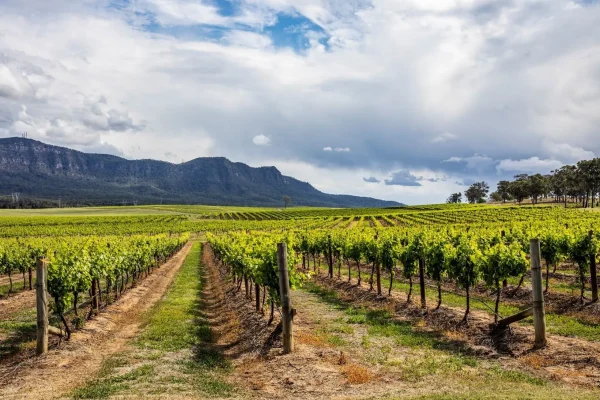
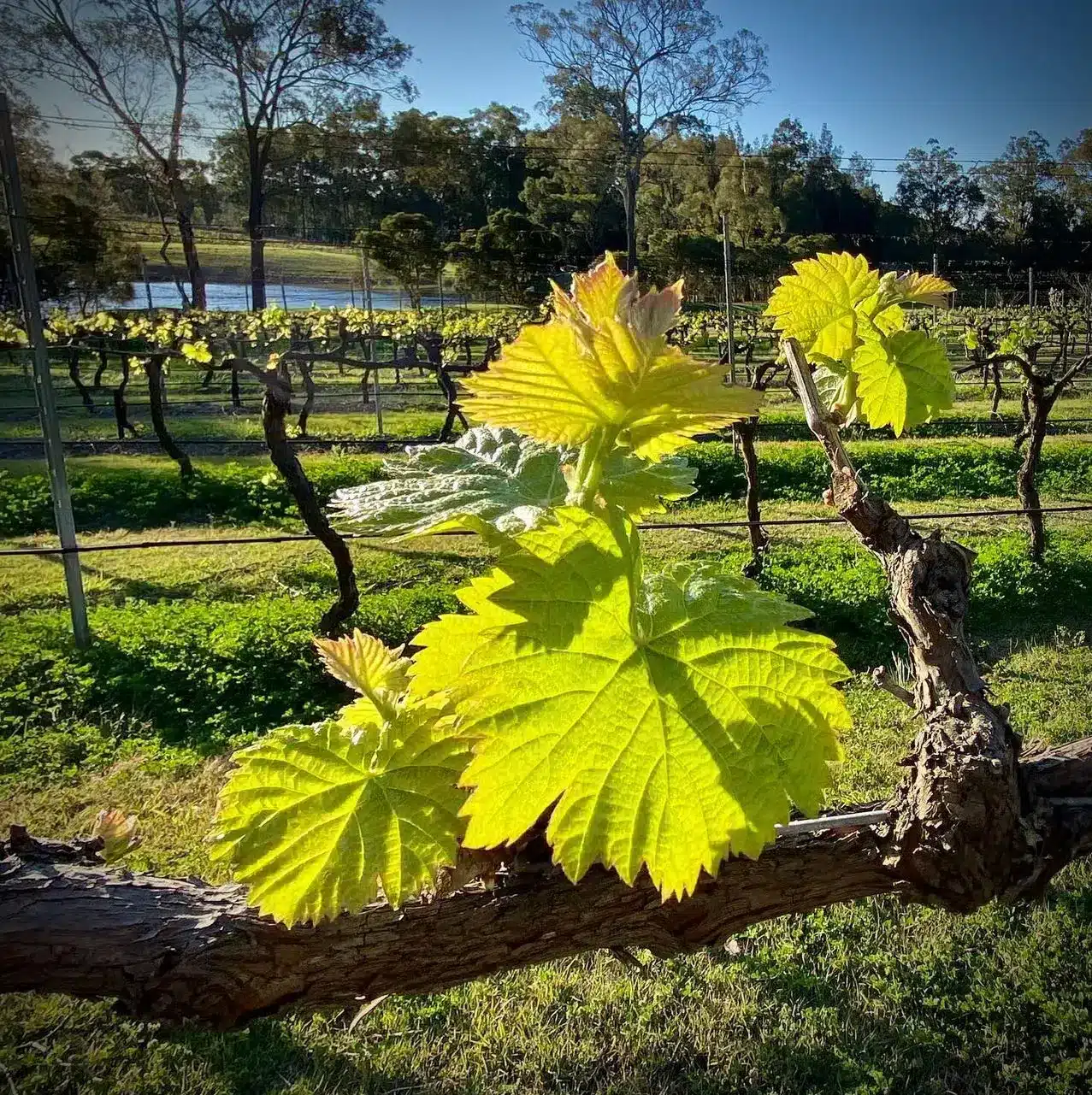
If you’ve spent any time around Pokolbin, you might know that Cabernet here isn’t as predictable as your GPS when it loses signal around Hermitage Road. The region’s warmer climate, volcanic soils, and cool breezes from the coast all give Cabernet a bit of a unique personality – leaner, earthier, structured, and more cellar-friendly than you might expect.
When I was out in the Hunter trying to impress a winemaker with my supposed expertise, he just poured me a glass and said, “Tell me what the dust smells like.” That’s what Hunter Cabernet is all about – earthy, honest, and a bit quirky. And when it’s done well, it’s actually pretty bloody good, and it ages beautifully without any fuss.
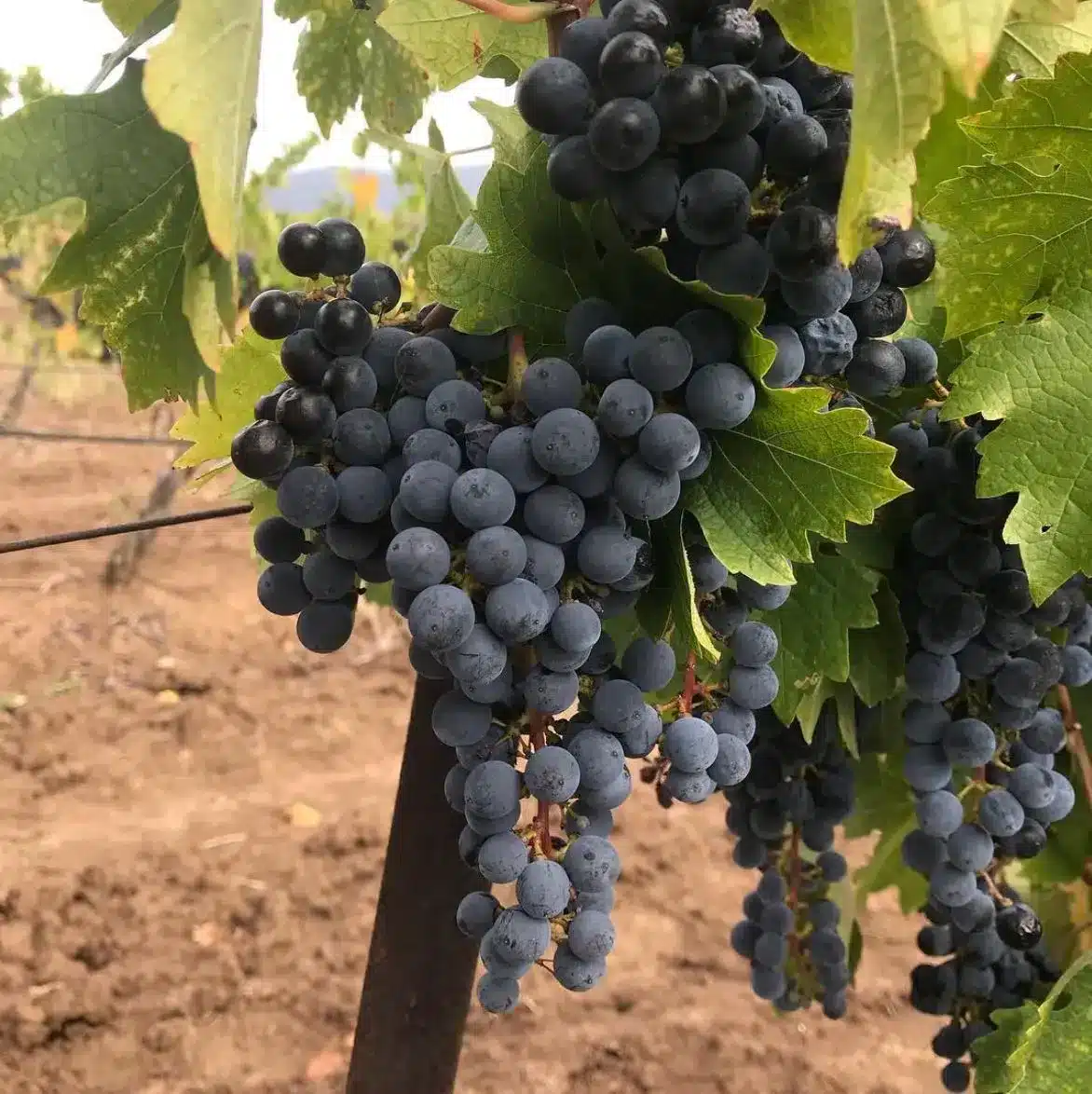
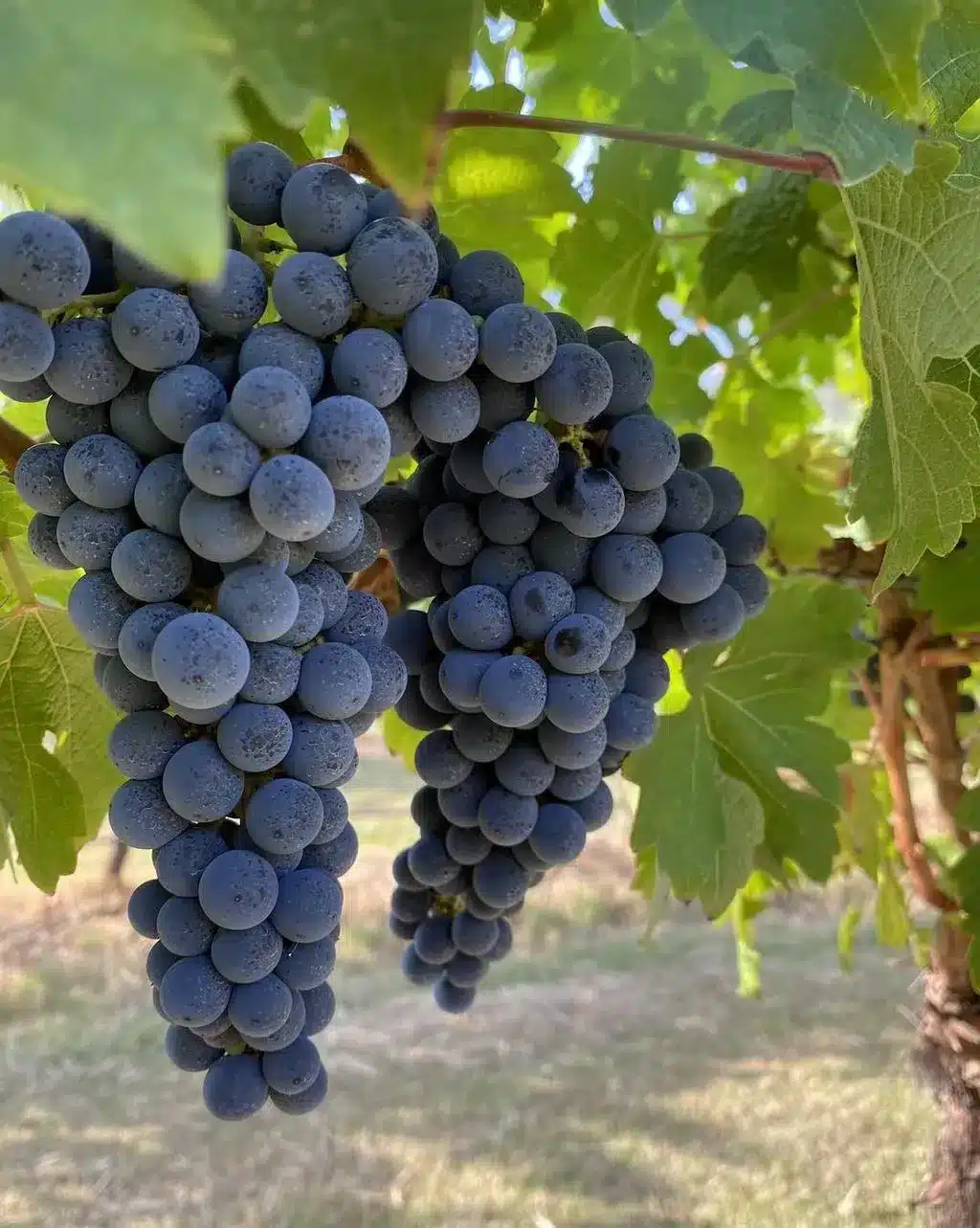
Vineyard Conditions That Make Hunter Cabernet What It Is
Hunter Valley Cabernet is because of the way the region grows it, not because winemakers are trying to mould it into some other style.
Here’s what shapes it:
- Warm days and cool nights: That helps the fruit ripen up without losing its acidity- good balance.
- Volcanic red soils: adds a bit of earthy, graphite-like savouriness.
- Coastal breezes: stop things from getting too cooked or jammy.
- Old vineyards: some of the older sites produce excellent depth in their old-vine Cabernet Sauvignon.
- Small batch winemaking: it’s all about natural yeast fermentation and gentle winemaking techniques.
The result is wines with real personality – heaps of it.
What Hunter Valley Cabernet Actually Tastes Like
Time to ditch the unicorn-fruit tasting notes – In authentic glasses, Hunter Cabernet gives you:
- Dark berry fruits
- Black cherry
- A bit of tobacco leaf
- some dried herbs
- Bell pepper
- Subtle oak notes
- Savoury tannin structure
- Medium body
- Earthy finish
If Cabernet from the South East or the Barossa Valley is like a punch in the face, the Hunter version is like having a friendly chat with your mate.
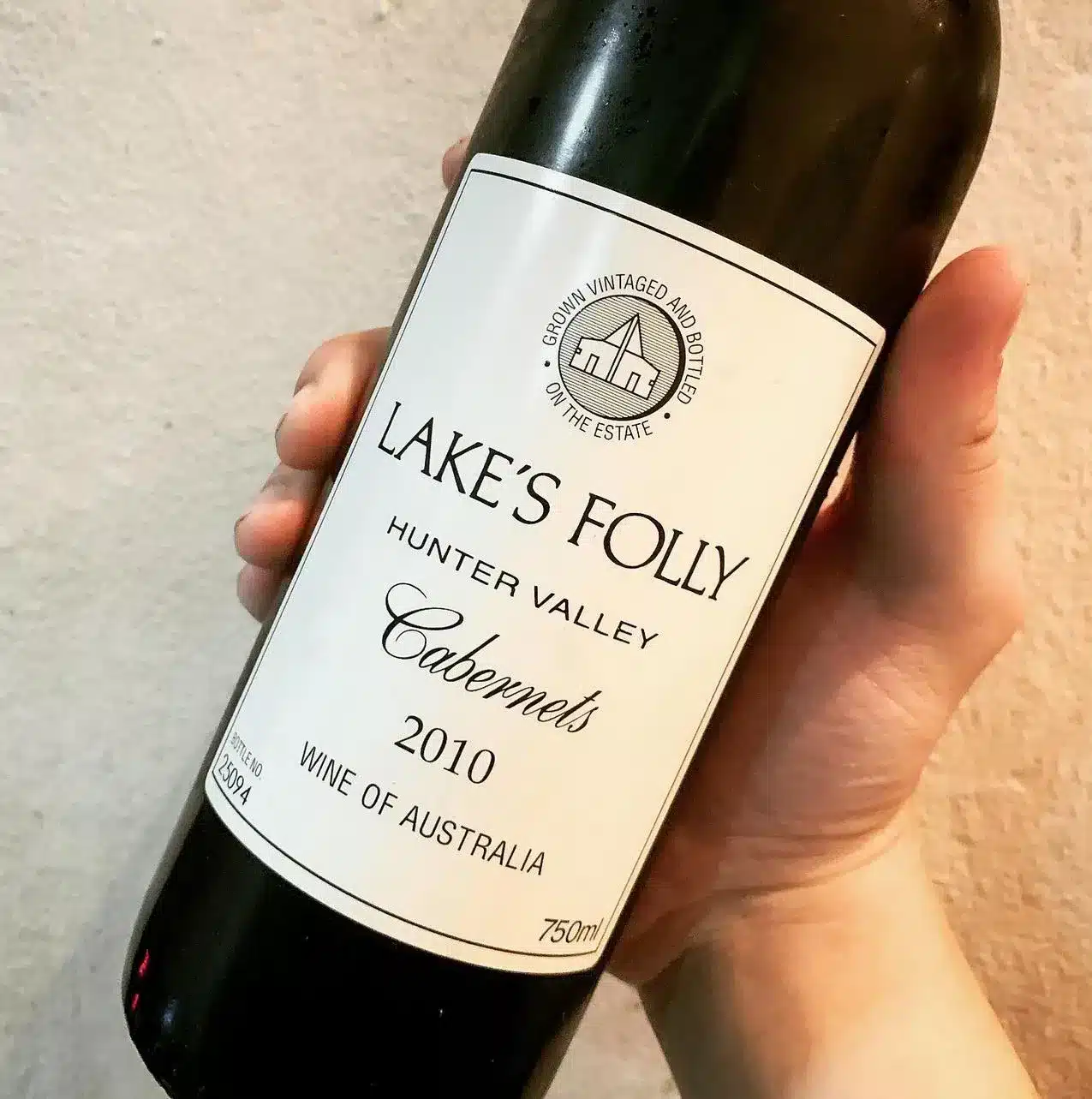
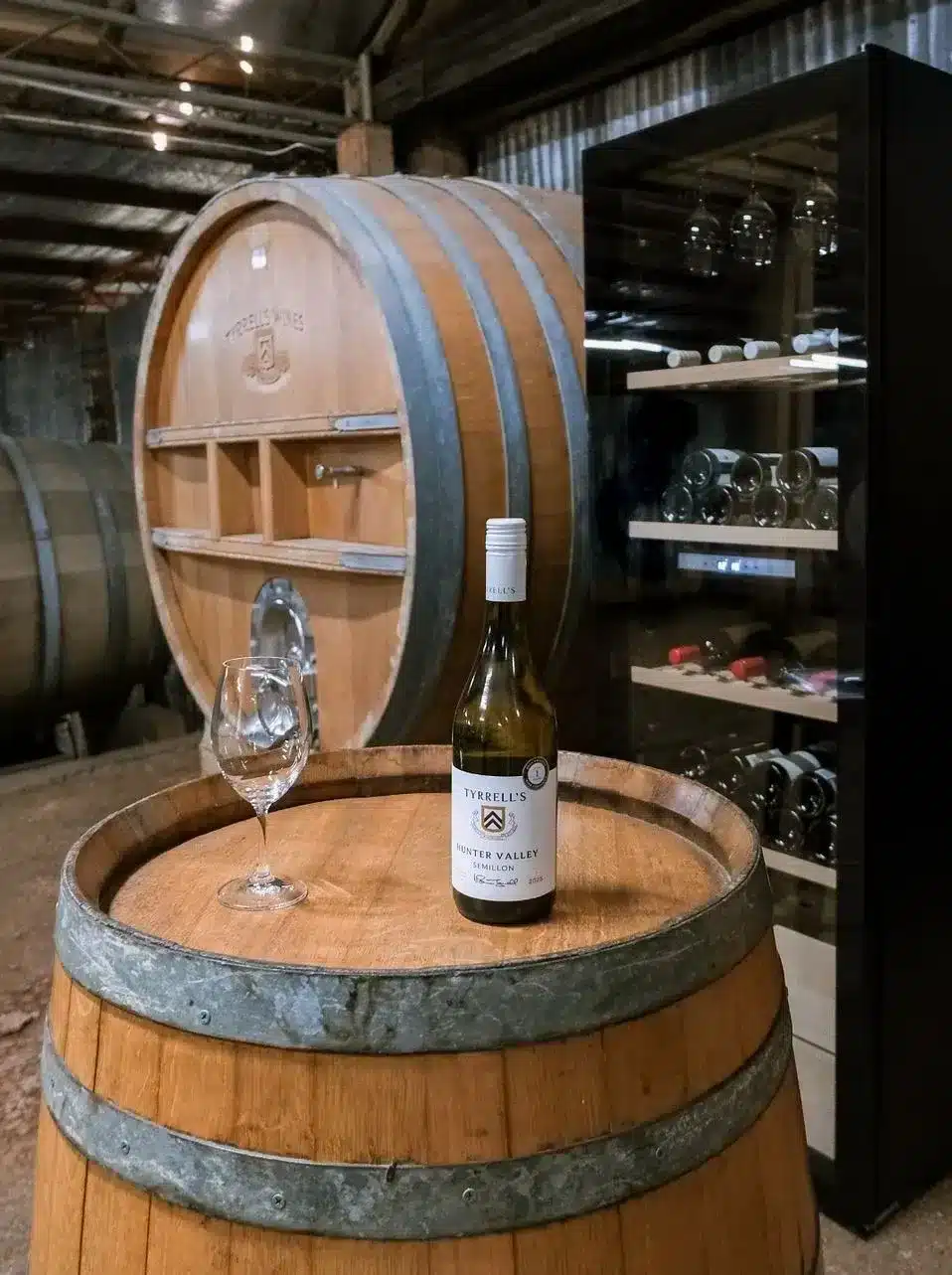
The Best Spots To Taste Cabernet
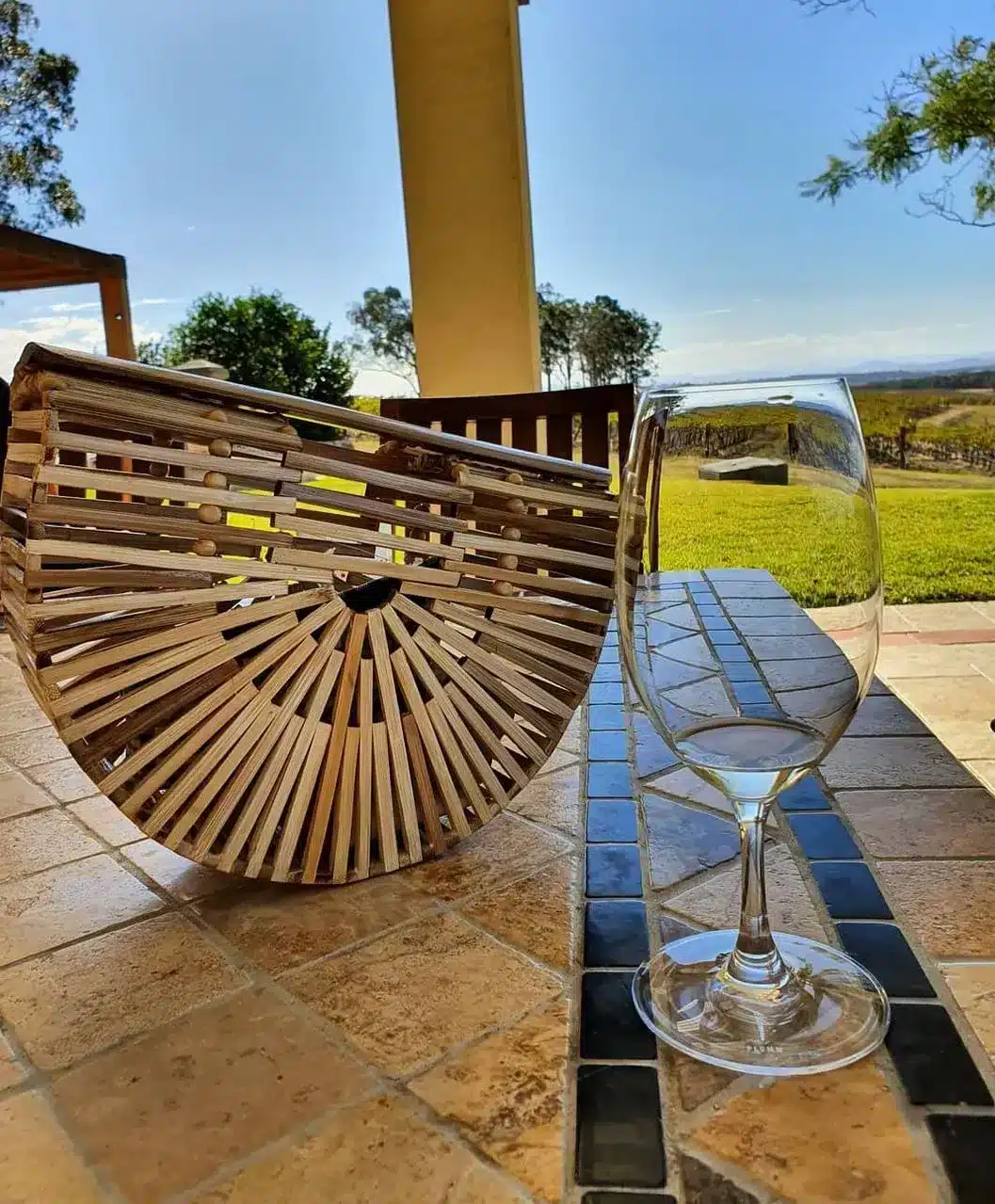
Here’s where the boots hit the dirt. These wineries consistently dish up a Cabernet that’s worth your while – whether you’re on a quick weekend getaway or sipping your way through a 1 Day Hunter Valley Wine Tour.
Tyrrell’s Wines
Tyrrell’s has been around longer than most of us have had creaky joints. Their Cabernet game is all about classic Hunter style – a medium-bodied drop that’s gently oaked and beautifully structured, just like it used to be.
Brokenwood
They’re famous for their Graveyard Shiraz, but don’t neglect their Cabernet. It’s got good tannin balance and a seriously complex, savoury profile that’s a real stand-out.
De Iuliis
If you’re after a Cabernet that blends modern zip with the traditional Hunter feel, De Iuliis is the place to look.
Mount Pleasant
From the estate of the legendary Maurice O’Shea, these Cabernets are real beauties – elegant, earthy and built to last.
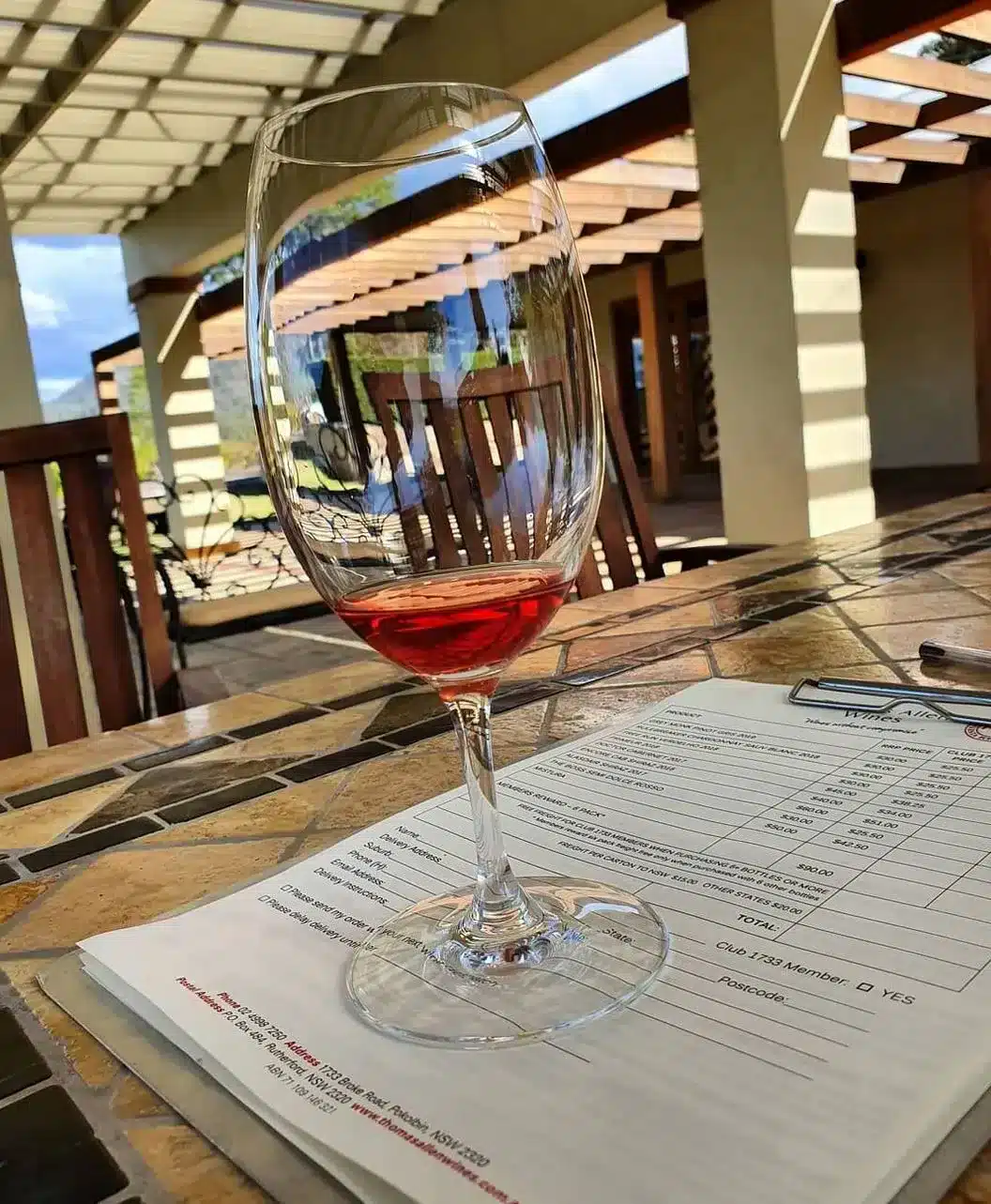
If you’re driving around Pokolbin, Lovedale or the Mount View hills, these cellar doors have got you covered when it comes to Cabernet. And every single stop on this list has something extra to offer – a great view, a good yarn, a seasonal menu or a winemaker who’ll indulge you with all the gory details of how their Cabernet was harvested in 2021 or just how long it spent in French oak.
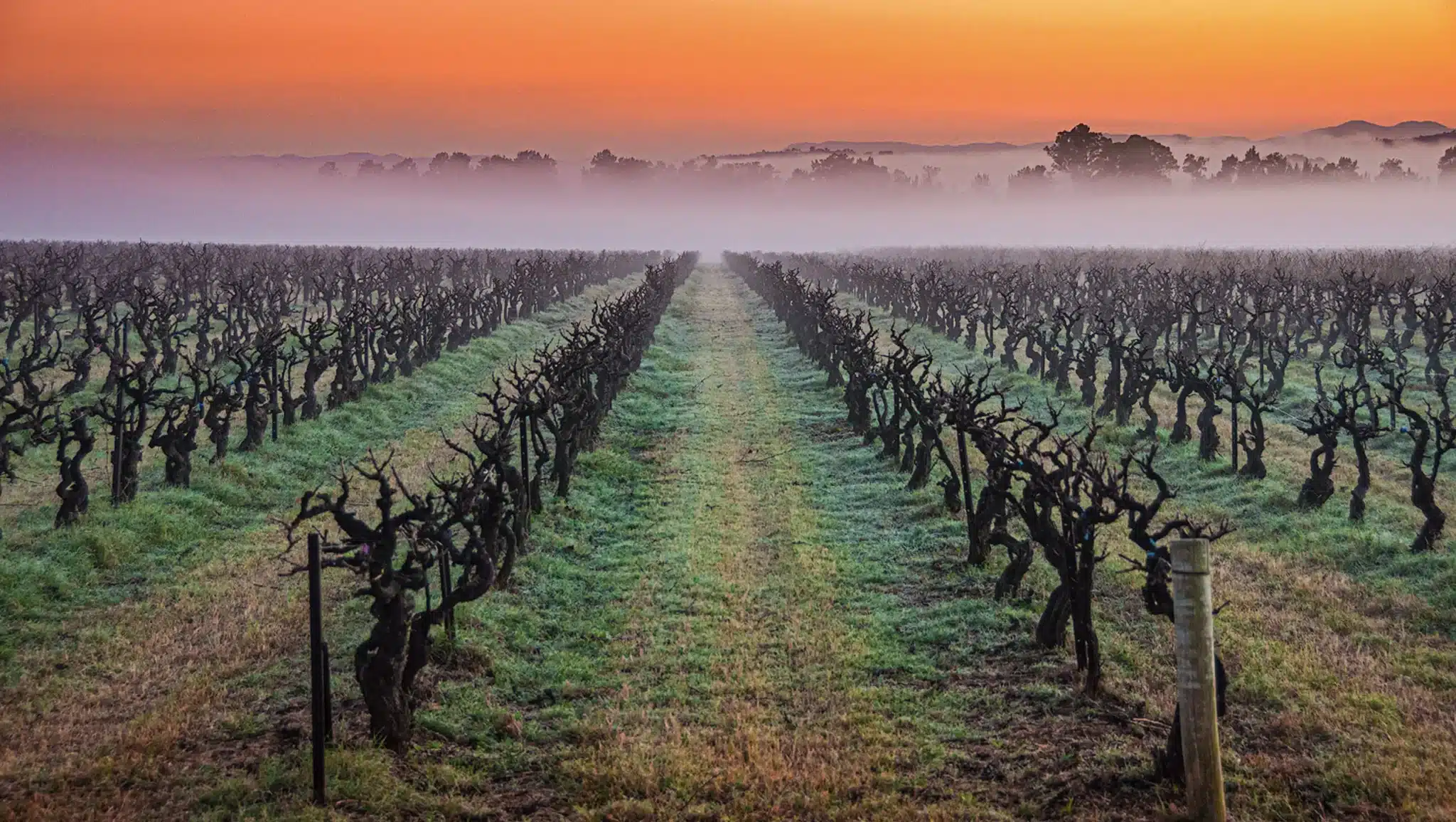
Quick Stats: Cabernet Sauvignon in the Hunter Valley
Here’s a handy table for your fridge, notebook, or to screenshot before hitting the cellar door.
| Stat | Detail |
|---|---|
| Average alcohol % | 13–13.5% ABV |
| Typical body | Medium |
| Key aromas | Redcurrant, dried herbs, cedar, earth |
| Common oak usage | French oak, 12–18 months |
| Cellaring potential | 5–15 years, depending on vintage |
| Top vineyard areas | Pokolbin, Mount View, Broke Fordwich |
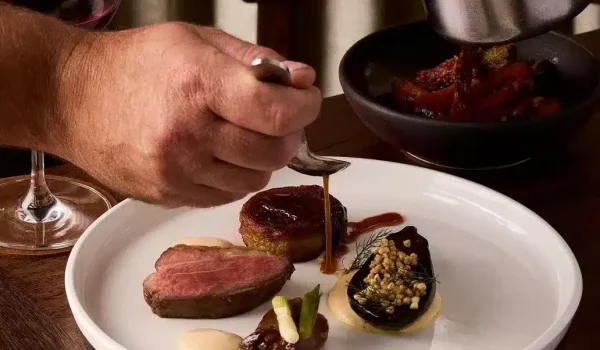
| Pairings | Steak, lamb, roasted veg, firm cheese |
Best Time to Explore Cabernet Across the Hunter
Cabernet isn’t just a wine — it’s a reason to choose the right time of year for your trip.
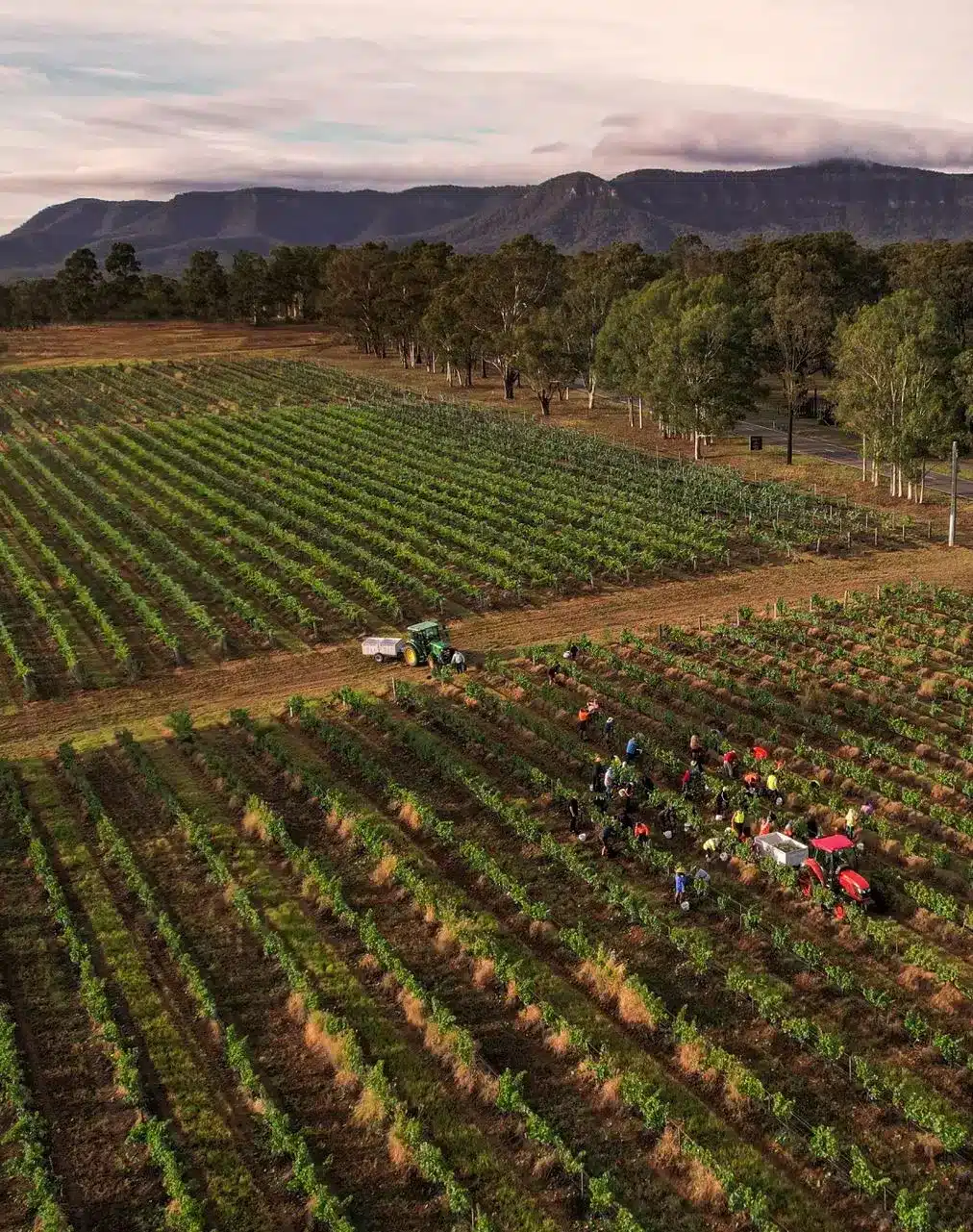
Autumn (March–May) — Vintage Season
You’ll see trucks full of fruit, fermentation smells wafting through wineries, and vineyard workers moving faster than a tradie on knock-off Friday.
Winter (June–August) — Red Wine Riot Season
Cold nights, foggy mornings, and roaring fireplaces. Cabernet is singing here.
Spring/Summer (September–February) — Bright, Bold, Easy Drinking
New releases hit cellar doors; perfect for travellers who want to taste the latest vintage before the crowds arrive.
Tips for Travellers Who Want to Drink Smart
Here are the local hacks that stop you from getting stuck with bottles you won’t enjoy when you open them at home.
1. Ask About Vintage Variations
The Hunter has had some wet years and some ripper dry ones. A winemaker will always tell you the truth — just ask.
2. Don’t Chase High Alcohol
Hunter Cabernet isn’t meant to be a 15.5% fruit bomb. Medium-bodied is its happy place.
3. Try the Museum Releases
If you want to understand Hunter Cabernet’s ageing potential, grab a bottle that’s at least 7–10 years old.
4. Pack Correctly for the Drive Home
Hunter Summers can cook a bottle faster than you can say “bloody hot.”
Keep an esky in the boot.
How a Classic Red Shapes the Hunter Valley
Locals will tell you Cabernet is the region’s “quiet achiever”. And they’re right.
Compared With Shiraz
Locals will tell you Cabernet is the region’s “quiet achiever”. And they’re right.
Compared With Semillon
One’s a crisp, citrusy white that ages like a fine antique; the other’s a savoury, tannic red. Both are uniquely Hunter, just in different ways.
Why It’s Worth Seeking Out
- Prices are generally lower than those of Shiraz
- Ageing potential is often underrated
- Food pairing versatility is excellent
- Perfect for visitors wanting something different to take home
FAQ
Is Cabernet Sauvignon typical in the Hunter Valley?
Produced in smaller volumes than Shiraz or Semillon, but several top wineries make excellent examples worth trying.
What does Hunter Valley Cabernet taste like?
Dark berry fruits, black cherry, bell pepper, dried herbs and subtle French oak.
Does Hunter Valley Cabernet age well?
Yes — most good bottles will cellar for 5-15 years depending on vintage and vineyard.
What food pairs best with Hunter Cabernet?
Lamb roast, steak, charred veg and even rich desserts like Cassis Chocolate.
Where can I try Cabernet in the Hunter?
Saddler’s Creek Wines, Calais Estate, Brokenwood, Sweetwater Estate and boutique winery cellar doors around Pokolbin.