The Hunter Valley Wine Region is one of those names that even people who don’t drink much wine seem to know. Ask a traveller about Australian wine and the Hunter will come up in the conversation. And for good reason — this patch of land in New South Wales, just north of the Sydney Basin, has been shaping the way we drink and talk about wine for nearly 200 years.
I’ve wandered through vineyards in France, walked the volcanic wine zones of Italy, and guided travellers along dusty cellar doors across Spain and Portugal. But when I roll into the Hunter, there’s always a sense that this place belongs to its people and its land in a way that no imported tradition could ever replicate. The vines are woven into the soil and story of Australia itself. You’re not just sipping fermented grapes here; you’re tasting the resilience of families, the persistence of growers, and the sheer character of a region that has learned to thrive through floods, fires, droughts, and more mozzie swarms than anyone cares to count.
Table of Contents
Australia’s Oldest Wine Region
The Hunter was first planted in the 1820s, long before wine became the booming industry it is today in Southeast Australia. Those early vines, hauled over as imported grapes, laid the foundation for a Hunter Valley wine industry that now spans over 2,500 hectares of vineyards.
Its Mediterranean climate — warm summers tempered by coastal breezes — allows both red wine varieties like Hunter Valley Shiraz and Cabernet Sauvignon, and white wine varieties like Semillon and Chardonnay, to flourish. This makes the Hunter Valley wine zone unique: diverse, resilient and Aussie.
The History Of The Valley
The story of the Hunter starts with James Busby, who carted cuttings from Europe back to New South Wales in the 1820s. Early settlements around Singleton and Maitland planted vineyards that would go on to win medals in Europe by the mid-19th century.
From there, the region built its reputation on families who knew how to get through tough times — droughts, bushfires, market crashes — and still produce world-class wines. Names like Tyrrell’s, Tulloch and McWilliams became household names, while boutique growers carved out their own patches in places like Broke Fordwich and Mount View.
Today, you’ll find both heritage names and new innovators listed in the Hunter Valley Regional Guide or in the glossy Hunter Valley Nature Trail Brochures published by Destination NSW and official tourism bodies.
Facts About The Valley
Fact
Detail
Location
Hunter Region, New South Wales, ~120 km north of Sydney
Oldest Vineyard
Early 1820s plantings by James Busby
Climate
Mediterranean climate, with maritime influence from the Sydney Basin
Vineyard Area
2,500+ hectares of vineyards
Wineries
150+ cellar doors across Pokolbin, Broke, Fordwich, Mount View
Grape Varieties
Semillon, Hunter Valley Shiraz, Chardonnay, Cabernet Sauvignon
Tourism Bodies
Hunter Valley Wine Country Tourism Association, Around Hermitage Association, Broke Fordwich Wine Tourism Association
Visitors
Over 2.5 million each year
Attractions
Hunter Valley Gardens, balloon flights, concerts, scenic drives
Grape Varieties And Wine Styles
The Hunter is famous for its single varietal wines.
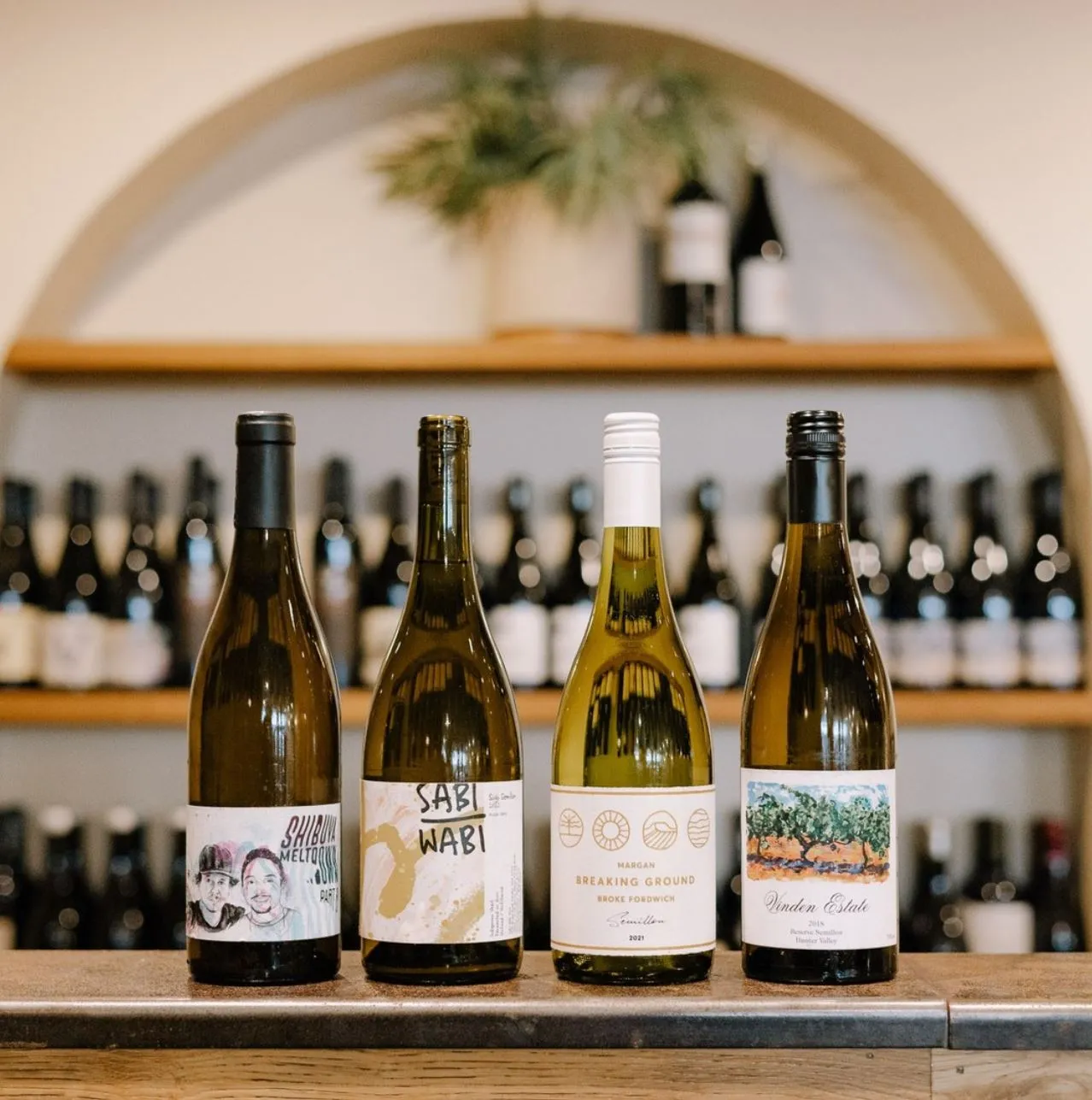
Hunter Valley Semillon – A zesty young white that turns into golden honeyed richness.
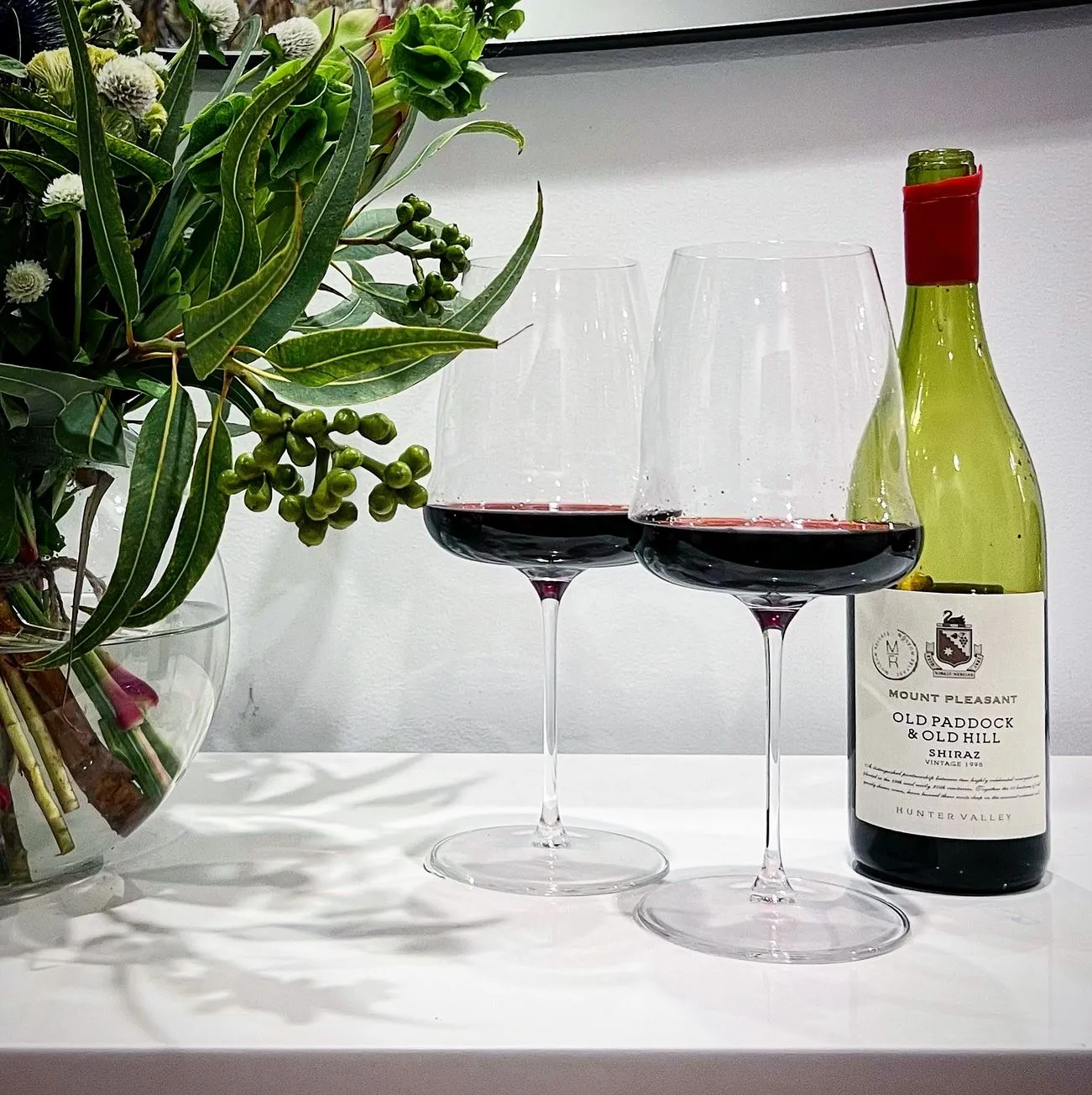
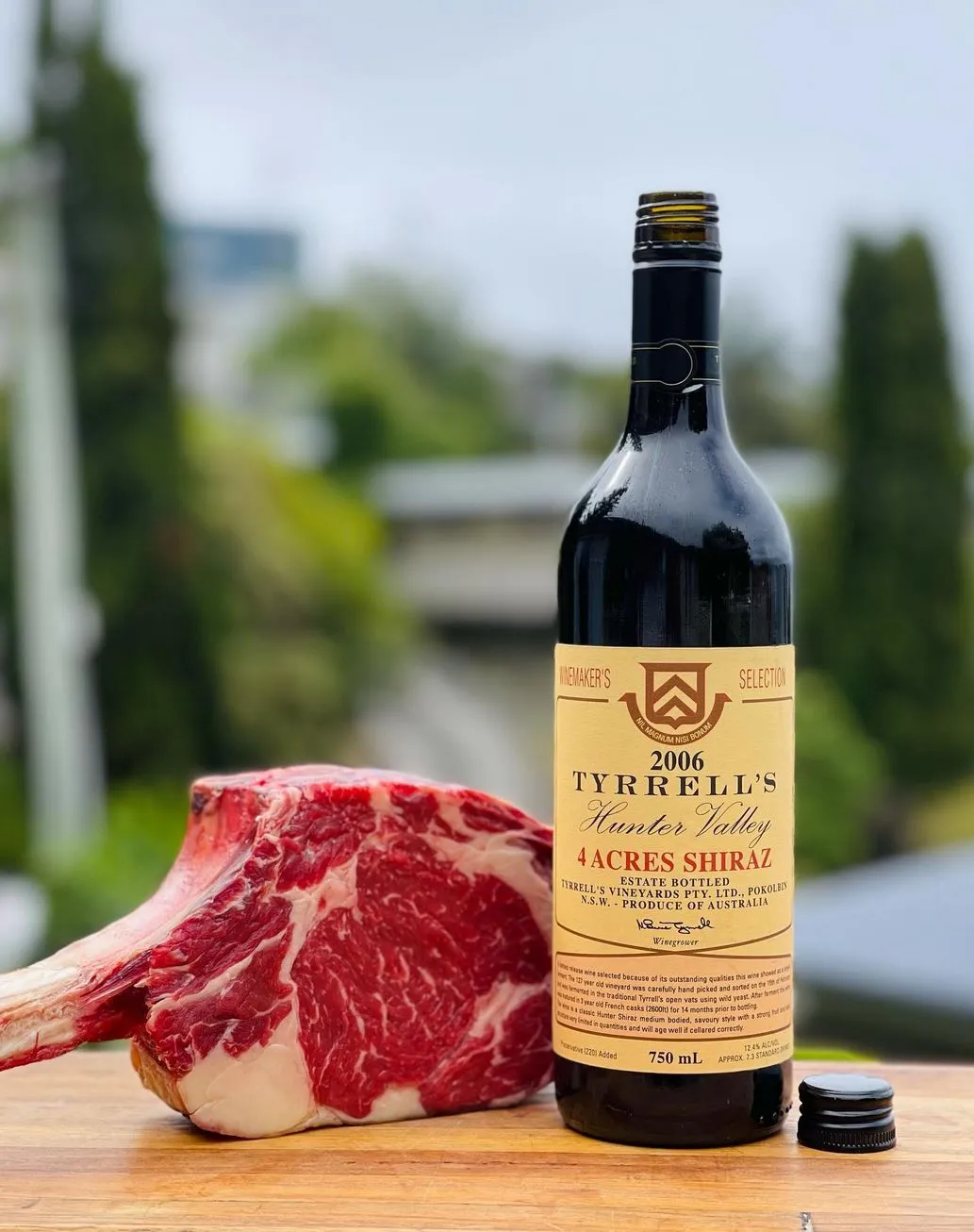
Hunter Valley Shiraz – Medium-bodied, savoury, earthy. Forget jammy reds; this is all about restraint.
Chardonnay – Now produces lean, modern Chardonnays alongside old buttery classics.
Cabernet Sauvignon – Smaller in volume but often blended into multi-grape blends with Shiraz.
Add to that smaller runs of Verdelho and other imported grapes, and you’ve got a lot to play with. For a taste of the sustainable side, head to Krinklewood’s French-style cellar door. It’s an organic vineyard that delivers premium grapes and a Provençal atmosphere you won’t forget.
Award-Winning Australian Wine Regions
Walking into a Hunter cellar door is rarely just about the wine. It’s about the people pouring it, the dogs sleeping in the shade, the kitchen garden out the back and the stories of vintages past. Here are a few I always recommend:
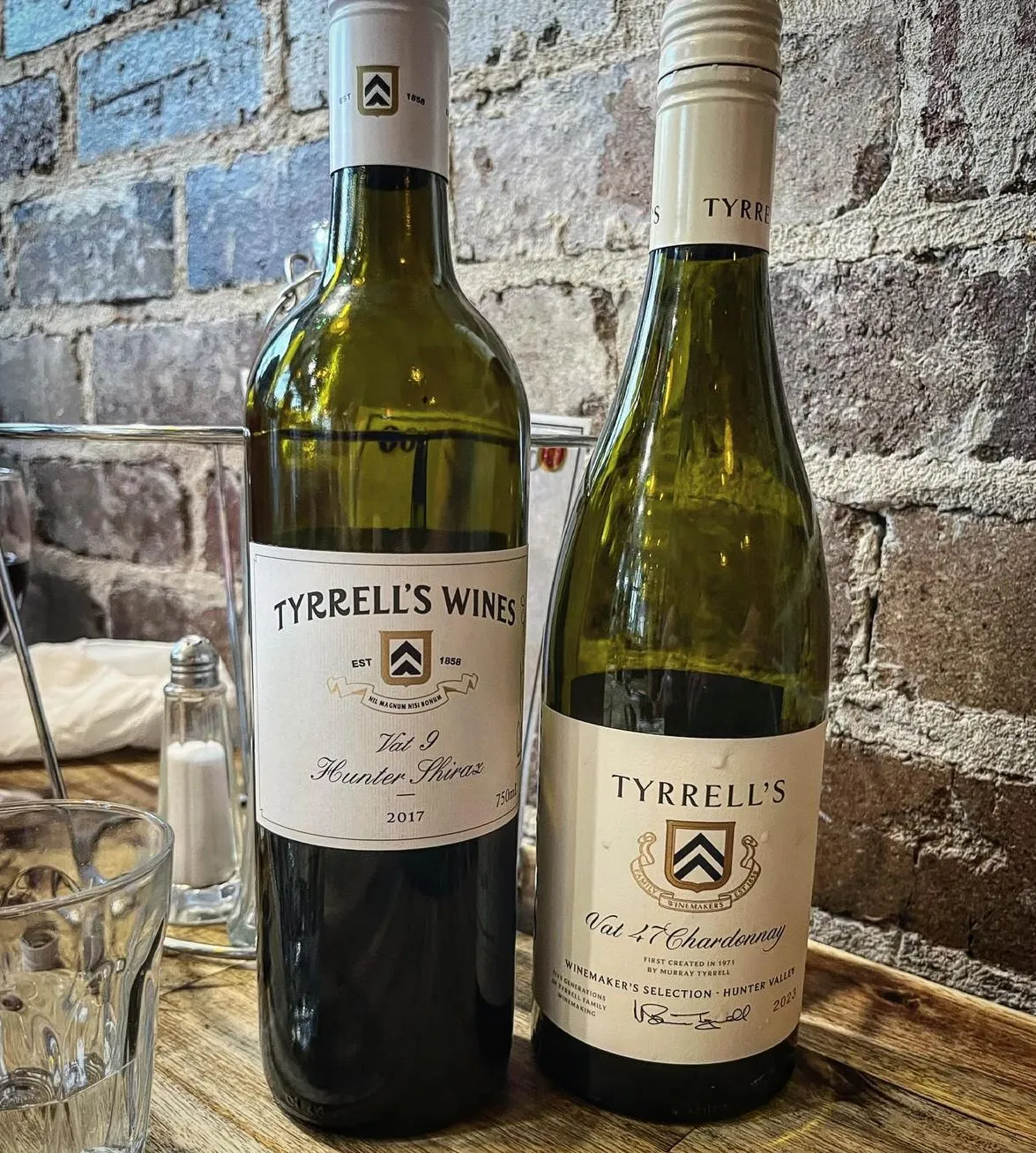
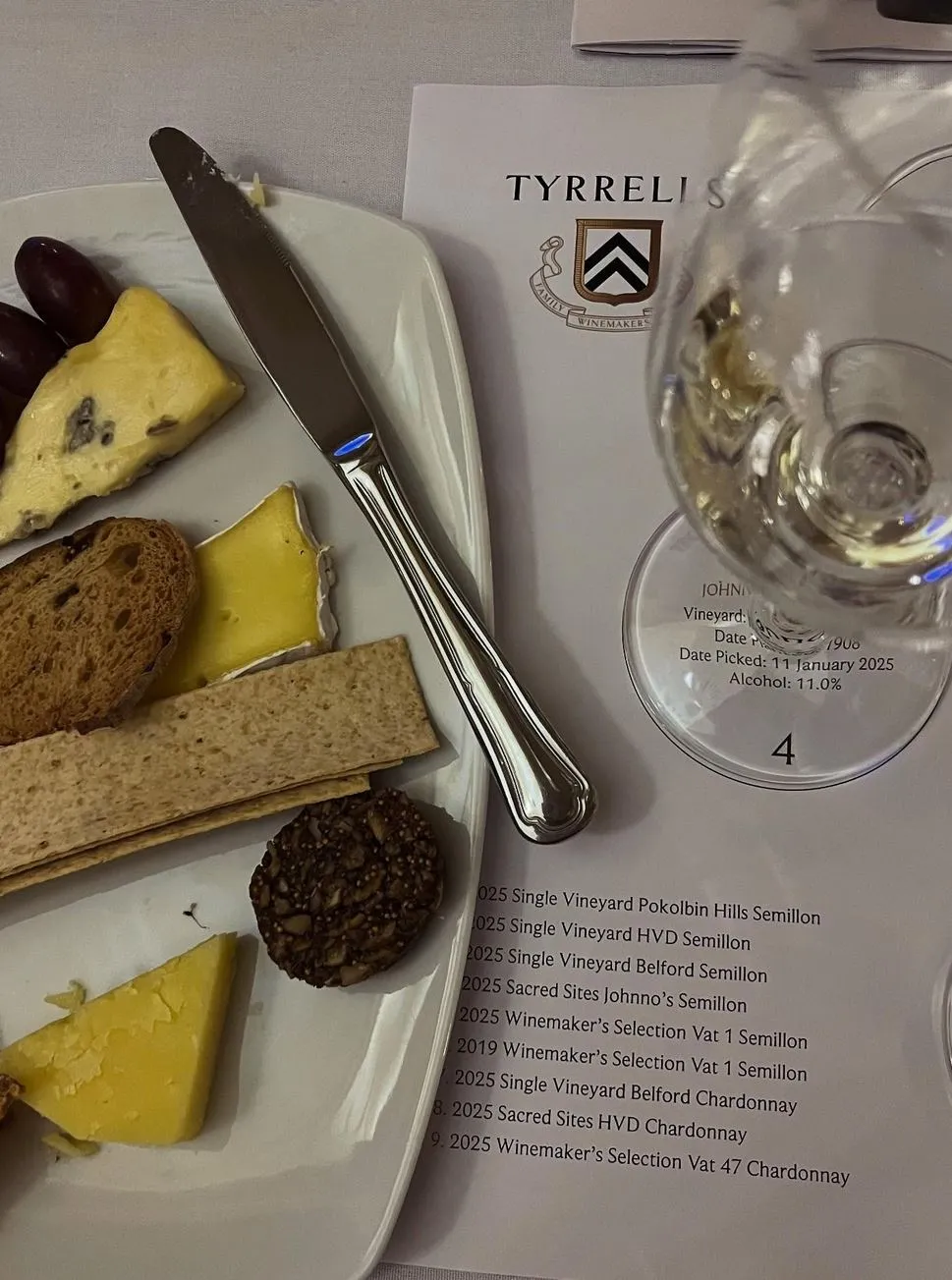
Tyrrell’s Wines: Since 1858, this family has been making wines in the Hunter Valley. Vat 1 Semillon is a rite of passage.
Brokenwood Wines: Sleek, modern and not afraid to push the boundaries. Their Graveyard Vineyard Shiraz is legendary.
Audrey Wilkinson: Perched high with views of the Brokenback Ranges, this winery is as much about the view as the wine.
Pepper Tree Wines: Relaxed tastings, leafy gardens and wines that punch above their weight.
Krinklewood: An organic vineyard that’s also a retreat into another world — biodynamic practices, olive groves and a Provençal vibe.
Mount View Estate: Tucked into a quiet pocket, this is perfect for those who like their Shiraz with a side of silence.
Whether you’re after premium grapes, intimate tastings or great accommodation options nearby, there’s a cellar door to suit your mood.
Food That Matches The Drop
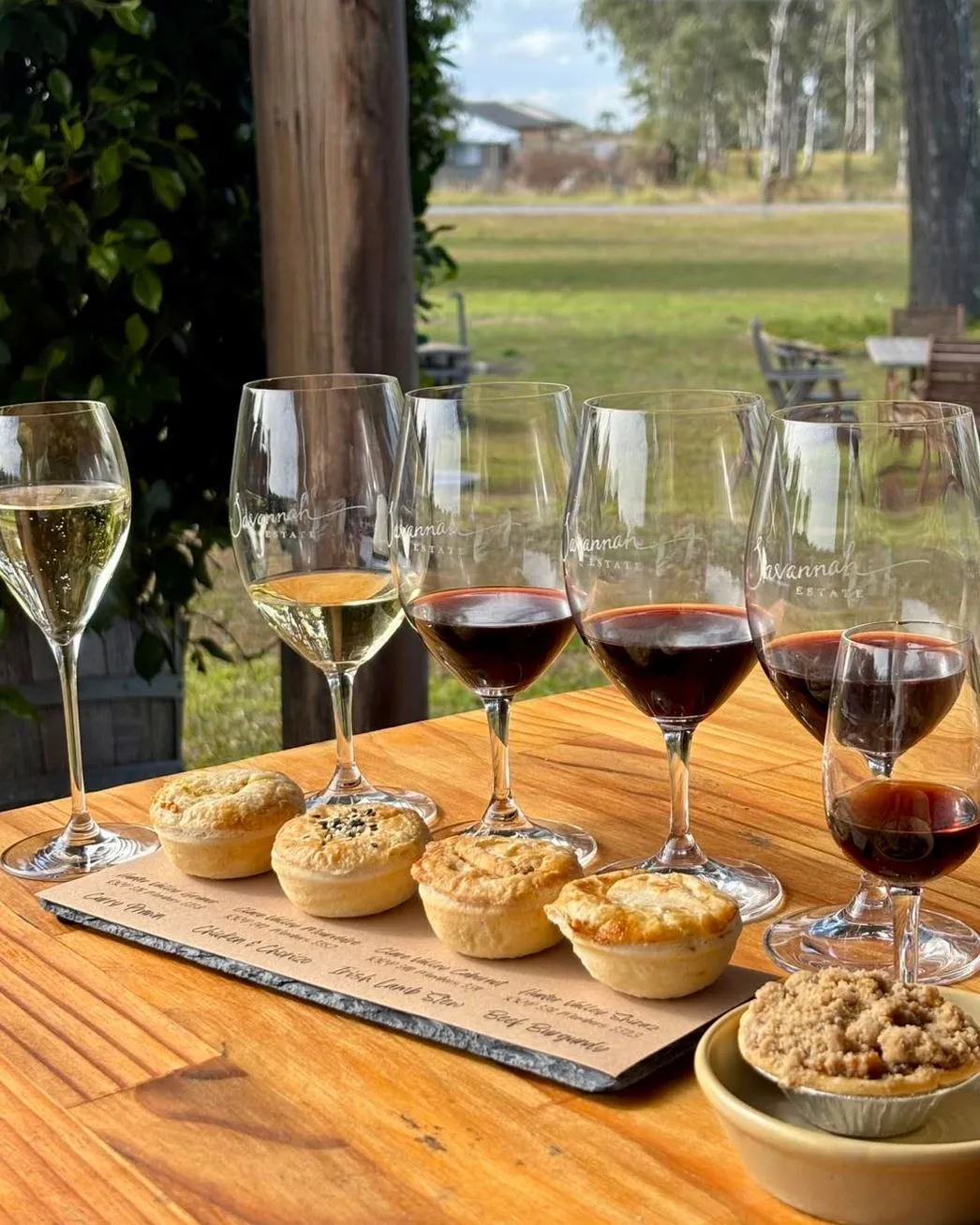
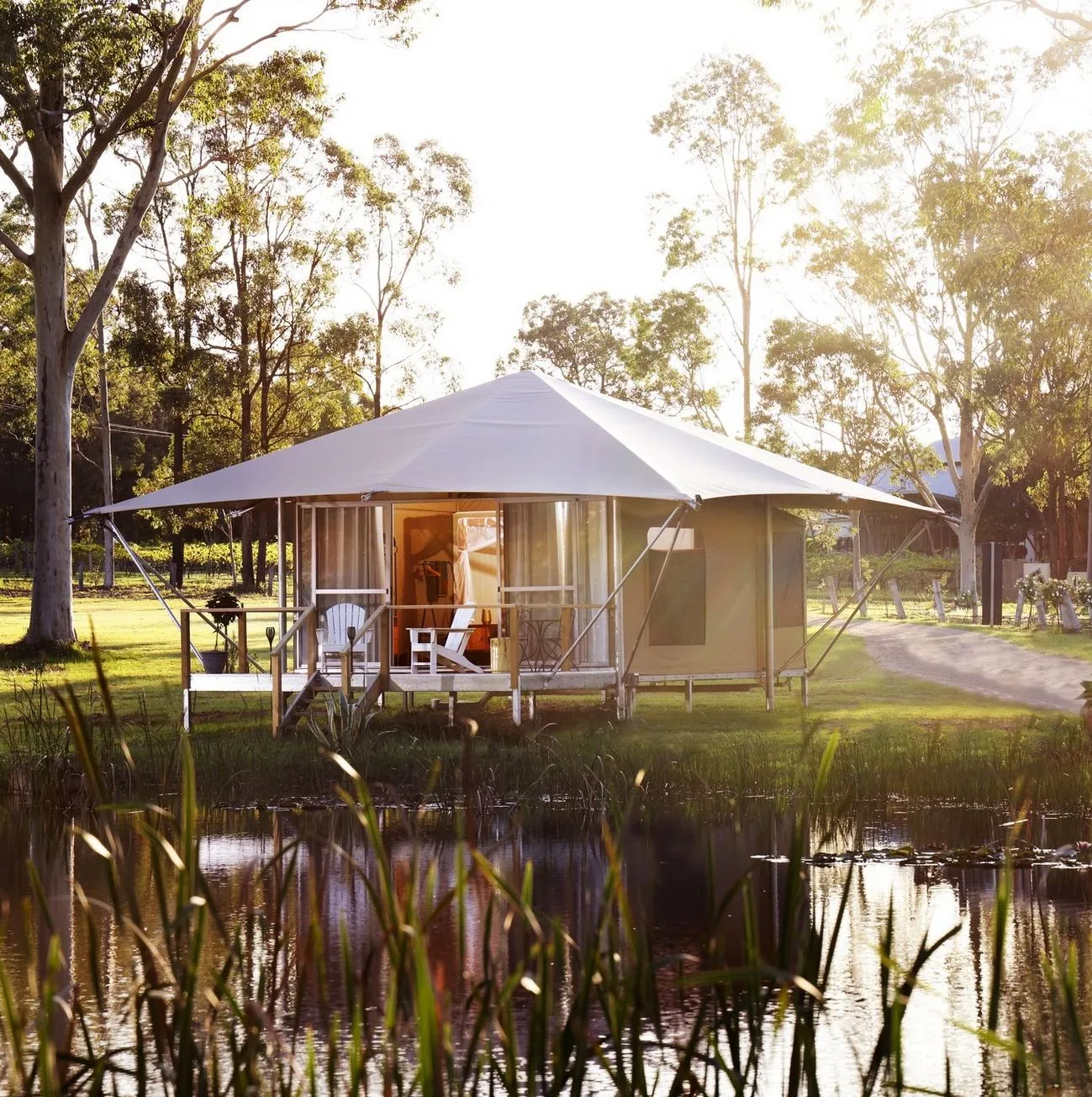
A good wine is only half the story. The other half is what’s on the plate beside it. In the Hunter paddock to plate isn’t a slogan; it’s how we live. Vineyards here are often small farms, and gourmet producers make everything from cheese and smoked meats to olive oil and chutney.
If you’re feeling indulgent, there are restaurants offering French dining, multi-course menus where every dish is paired with a local wine. If you prefer something more casual, Spanish-inspired suites offer tapas-style bites that match perfectly with a glass of Shiraz. And for those looking for charm, nothing beats a secluded farm dinner where the cook might also be the winemaker and serves dishes inspired by family recipes.
Oysters with Semillon
Slow-roasted lamb with Shiraz
Creamy brie with Chardonnay
Dark chocolate with fortifieds
It’s food with purpose, every bite designed to let the wine shine.
Beyond The Wine Glass
You don’t have to be a wine nerd to enjoy the Hunter. Beyond tastings, there’s a buffet of experiences:
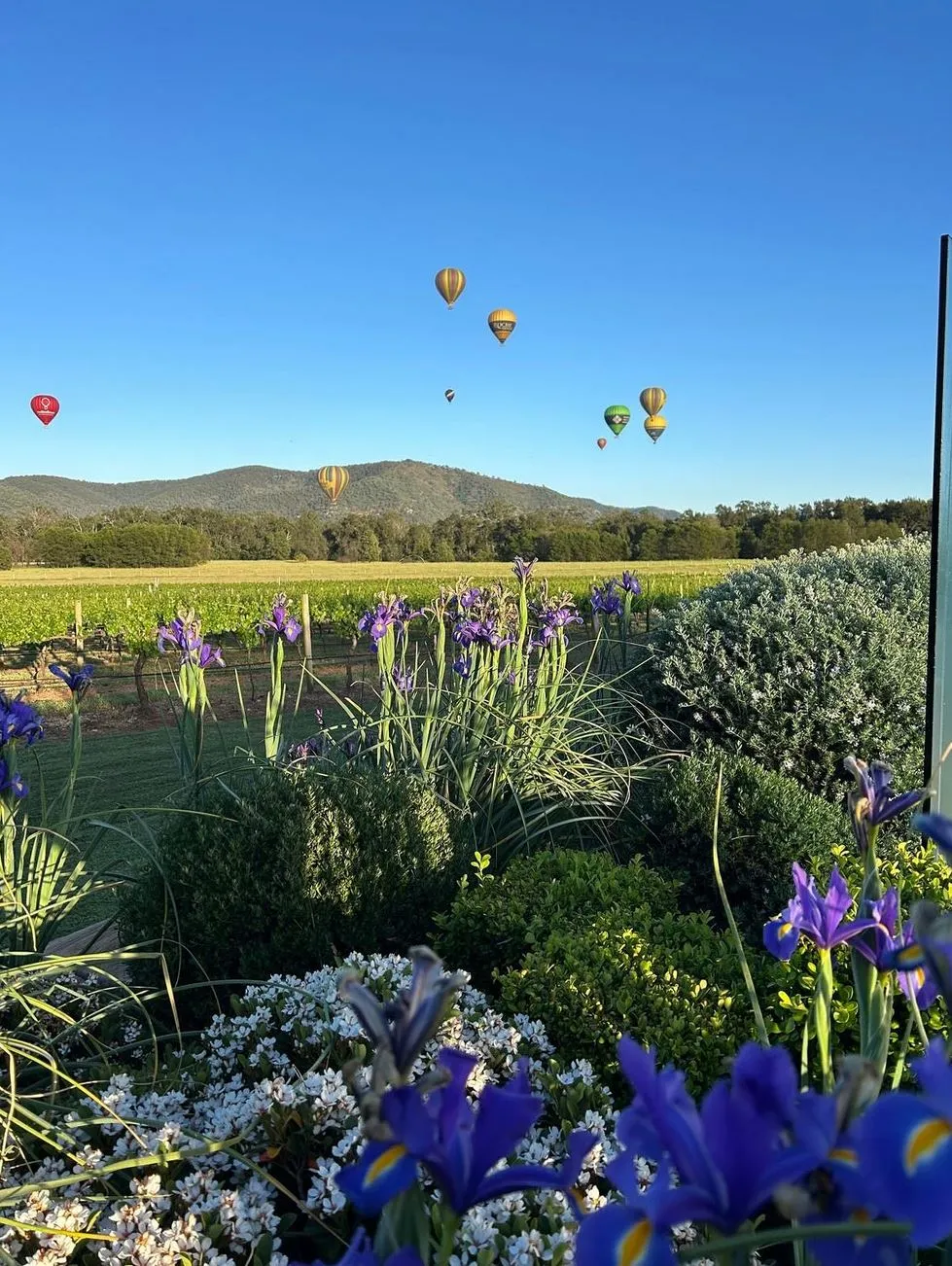
Balloon flights with champagne over vineyard views at sunrise.
Hunter Valley Gardens, including themed gardens, Valley Gardens, and lush plants that look like they’ve been plucked from storybooks.
Wine Country Drive and other scenic drives through the beautiful region.
Hands-on food experiences like cooking classes or chocolate-making workshops.
Concerts and festivals that turn wineries into music venues.
These experiences add texture to a weekend escape, proving the Hunter is far more than just bottles and barrels.
When to Go for the Perfect Experience
The Hunter Valley changes with the seasons.
Summer (December–February): Hot, busy and mozzie season. Book everything in advance.
Autumn (March–May): Harvest time. The valley is alive with tractors, pickers and full tanks at wineries. Tastings are lively, and you can feel the heartbeat of the wine industry at full tilt.
Winter (June–August): Things slow down. Cellar doors are quiet, accommodation is cheaper, and fireplaces crackle in cosy cottages. Perfect for couples.
Spring (September–November): Vineyards come back to life. Wildflowers bloom, gardens shine, and the air is full of promise. One of the best times for weekend escapes.
Every season has its charm, but if you want to avoid crowds, winter weekdays are the way to go.
How to Reach the Wine Country
The Hunter Valley is just over 2 hours north of Sydney.
Self-drive: The most flexible option. Download maps in advance — reception can be patchy.
Tours: If you’re short on time, there are plenty of 1 Day Hunter Valley Wine Tours from Sydney and Newcastle that will give you a taste of Semillon, cellar doors and scenery without needing to book accommodation.
Public transport: Train to Singleton or Maitland, then local buses or transfers. Limited but possible.
For updated travel and event notices, check resources like Hunter Water Corporation or the Hunter Valley Regional Guide.
When You’re There
Once you get here, slow down. The Hunter rewards those who linger. Start at a visitor centre for brochures, maps and official tourism advice. Wander the backroads, pop into a farm shop for fresh local produce, or take a picnic blanket to a quiet vineyard corner.
Check for seasonal closures — in high summer, fire risk can shut down some trails, as per the Hunter Valley Nature Trail Brochure. And don’t assume you can just turn up for tastings. Many cellar doors now prefer or require bookings, especially on peak weekends.
Insider Hacks for Exploring the Vineyards
Don’t overdo it. Four or five tastings in a day is plenty, especially if you’re sipping full pours.
Eat between tastings. Even a meat pie from the servo counts.
Carry mozzie spray, especially in summer.
Respect official tourism alerts on fire safety or closures.
Book luxury accommodation early for festivals and long weekends.