Field Guide: Identifying Birdlife and Nocturnal Animals in Nambung
The Field Guide to Uncovering Nambung’s Secret Spots. If you actually want to discover what’s out there – rather than just take a wild stab in the dark – you need to get your timing just right. Give yourself a decent shot at spotting wildlife by heading out during the golden hour – that’s sunrise or dusk – when the sun’s at its most gentle. And ditch the wide open sand for a while and try the scrubby edges instead. Just be patient, and put the brakes on your wander – don’t rush through it.
Most people get this all wrong. They just rock up to Nambung National Park in the middle of the day, blow out of there in half an hour or so after a wander around the Pinnacles Desert, and then leave muttering to themselves that they’re not going to see much wildlife. It’s like turning up at the local pub at ten in the morning and expecting it to be heaving – people don’t even start coming out till later. Timing is absolutely everything in Nambung – and when you do get it right, the whole place transforms.
Getting to Nambung, Parking and Finding Your Feet
To get to the park, you’ll be driving up Indian Ocean Drive from Perth for about 2-2.5 hours. The drive is easy enough, but don’t get too comfortable – you’ll be pulling over to take in the views and enjoy the scenery, so factor that in.
You’ll need to pay the entry fee (about $17 per vehicle as of 2026) and then follow the loop road through the limestone spires. There are heaps of parking, but the biggest mistake people make is stopping, taking a little stroll and then calling it a day. Don’t do that – there’s heaps more to see.
Wildlife’s all about the time of day and the temperature, so you need to shift your focus between different zones, not just hang out at one spot and hope things come to you.
If driving is not your thing, there’s always the option to book a Pinnacles Tour from Perth – it saves you having to sort out the travel arrangements, but you still need to get your head around timing if you want to catch sight of anything decent.
Read the Landscape First
I did exactly the same thing on my first trip to Nambung: I went off looking for animals before I even started to get to know the place. I charged straight out into the open sand, trying to spot things like I was at a zoo. Didn’t come home with much.
Next time around, I took a different tack – I slowed right down and started to really explore the edges – where the scrub meets the sand, or the breeze drops, or the insects are buzzing about. That’s where you’ll find the good stuff.
How Terrain Predicts What You’ll See
| Zone | Distance/Access | Difficulty | Highlights |
|---|---|---|---|
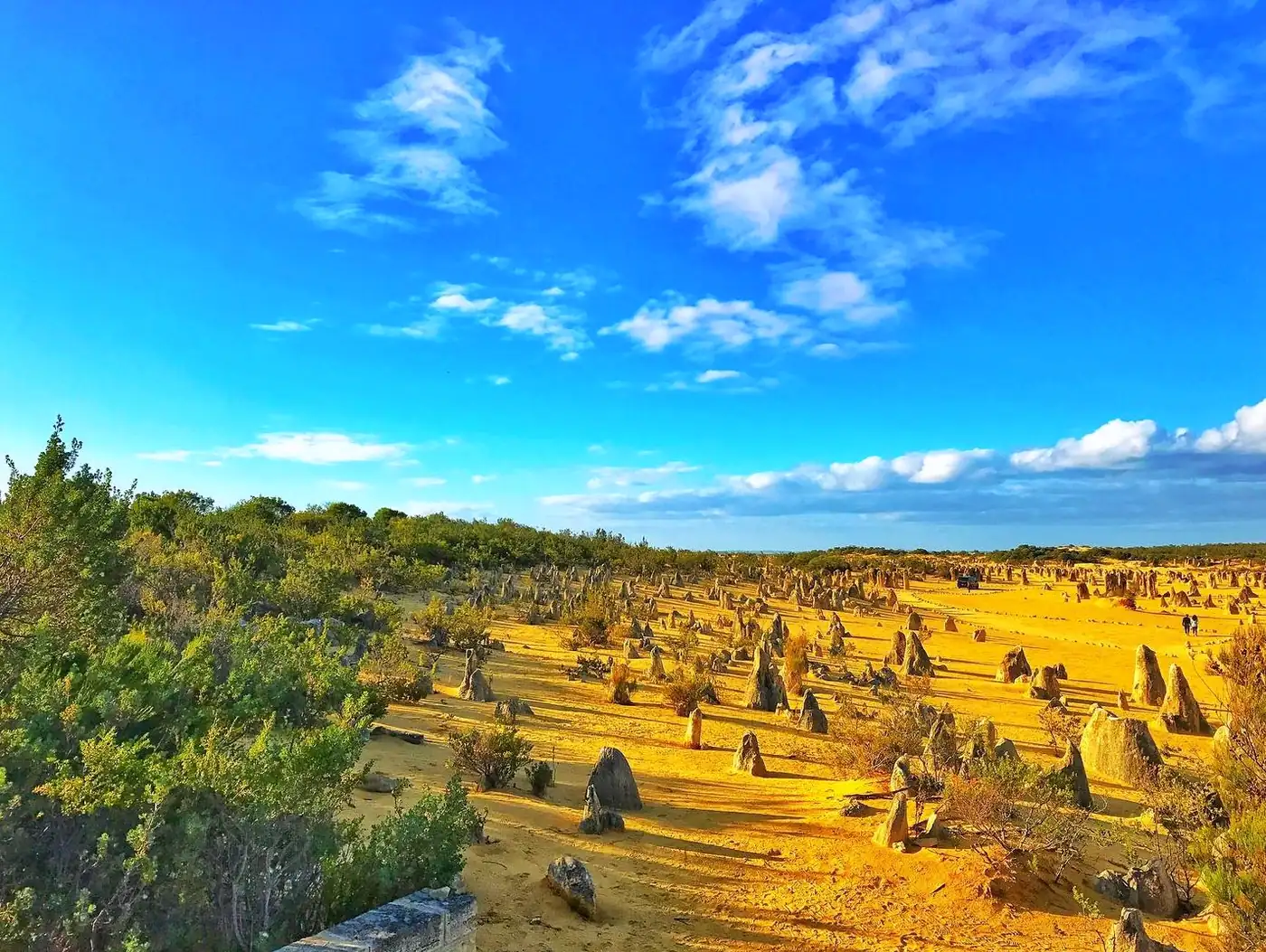
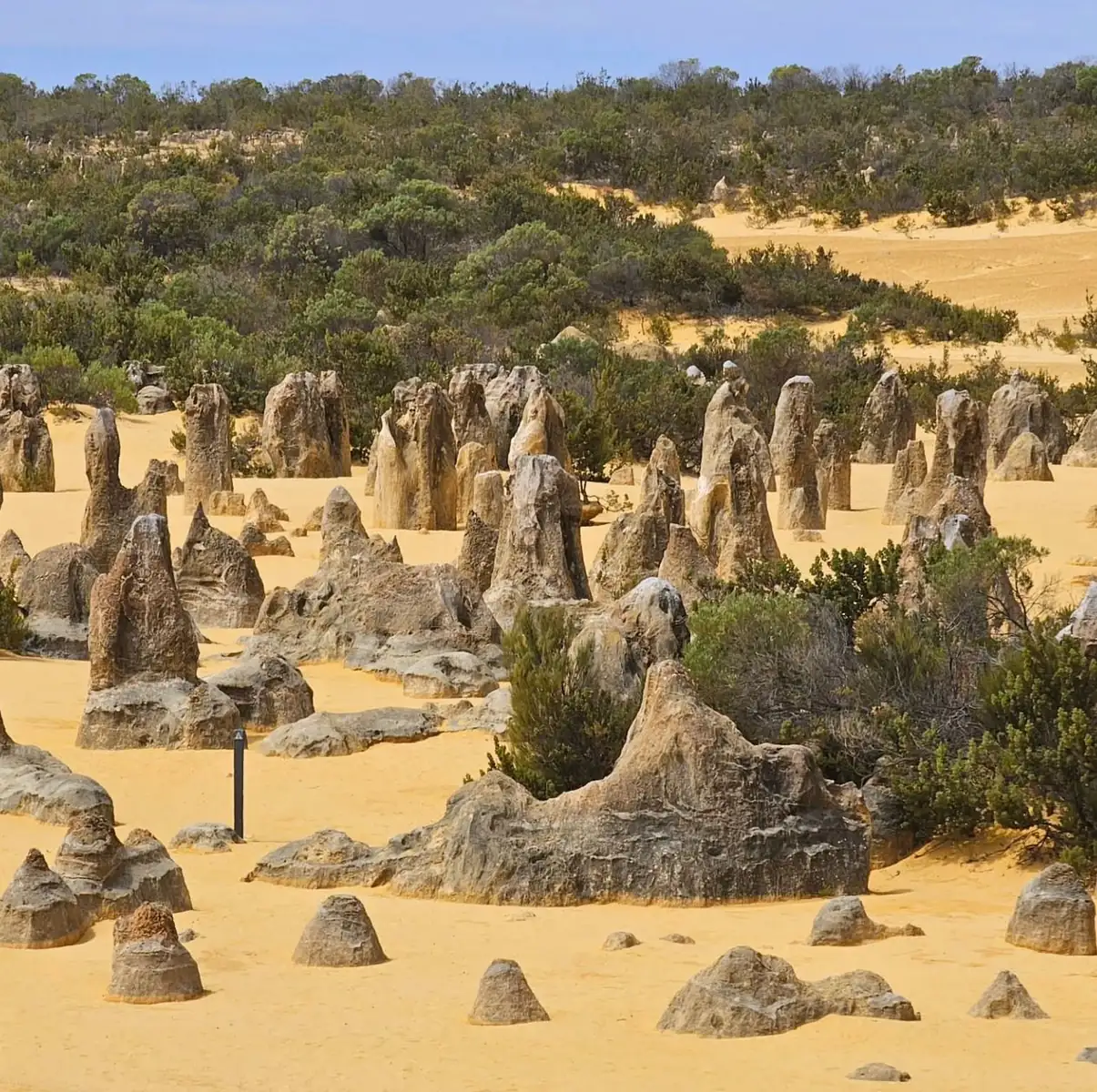
| Open sand near limestone spires | Easy from the car bays | Easy | Raptors, tracks, and occasional kangaroos |
| Scrub edges & low heath | Short off-track walks | Moderate | Bird activity, feeding zones |
| Dense vegetation pockets | Limited access | Moderate–Hard | Nocturnal mammals, shelter areas |
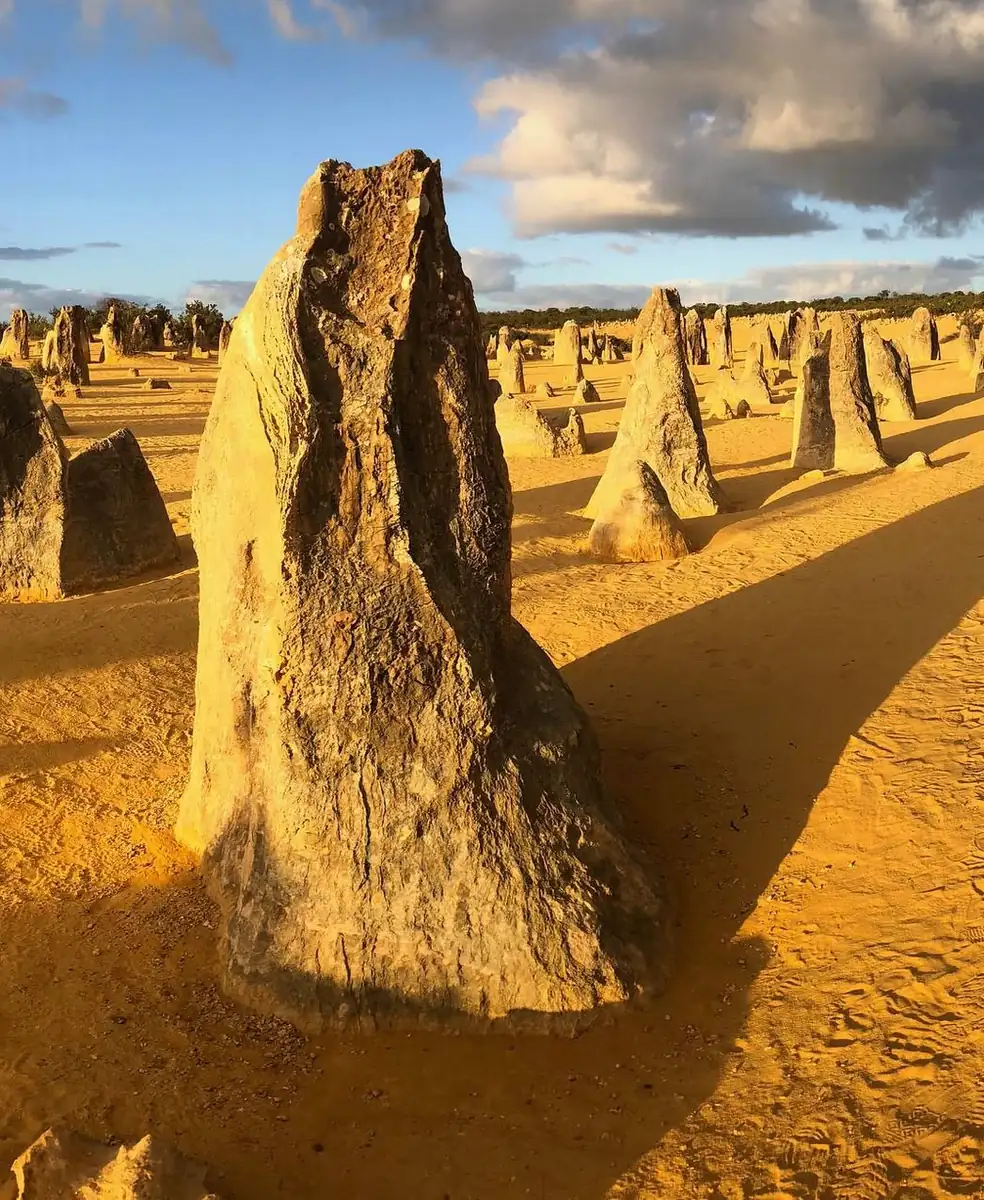
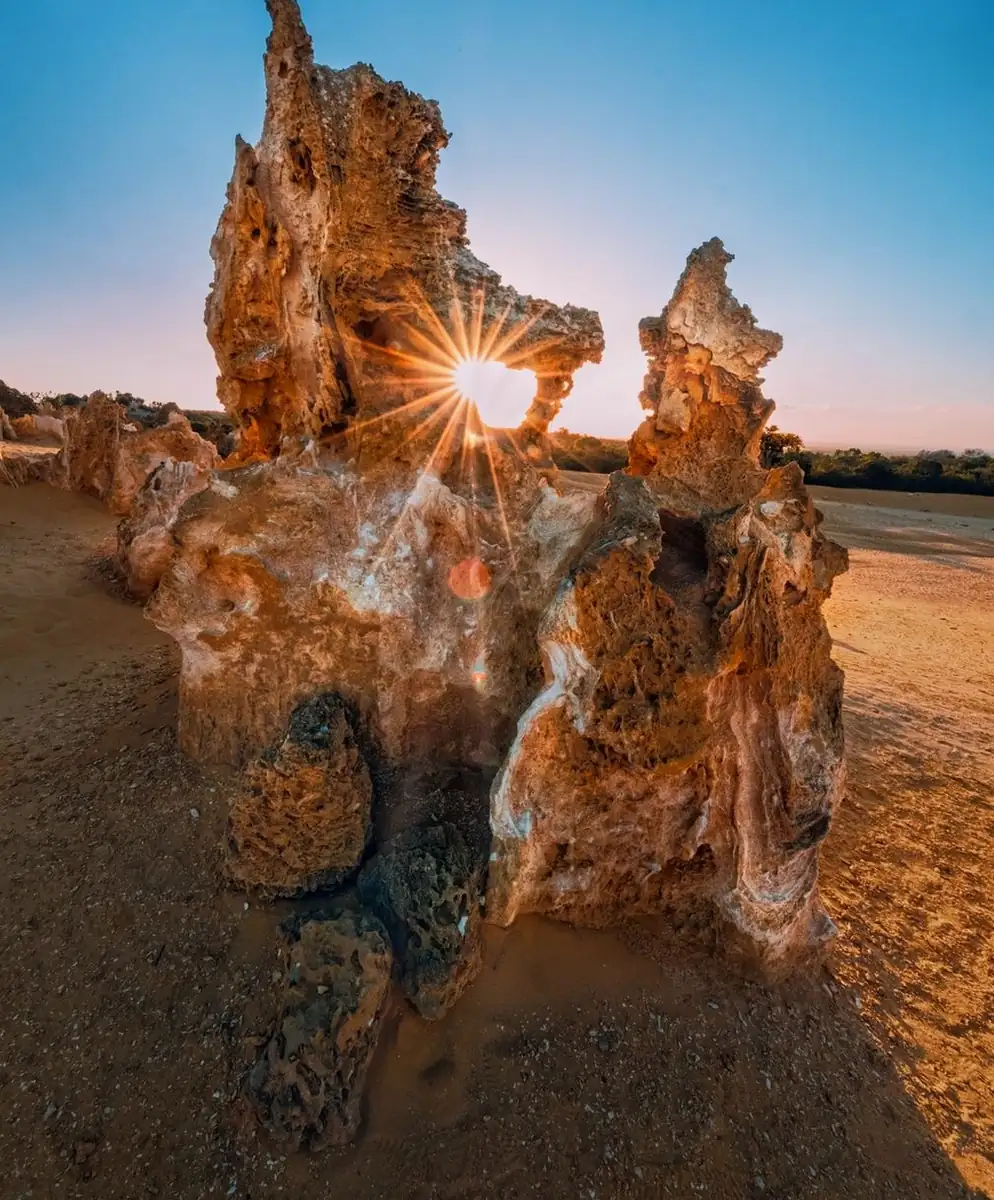
The limestone spires may look great on Instagram, but the truth is they create weird little havens for life to take hold – shelter from the sun, a bit of wind protection, and little hidden spots for insects to live – the more you think about that, the more you’ll stop wandering about and actually start paying attention to the stuff that’s actually there.
Birdlife You Can Spot Without Being a Total Brainiac
You don’t need to be some sort of bird genius, though trying to commit every species to memory can be fun… not. Just focus on the common birds and learn to recognise their habits. That’s when it’s going to start making sense.
Even now after all these years Ive been doing this, I still use Michael Morcombe’s guide book – his Quickfind system with the colour tags makes identifying birds in the wild a whole lot easier – especially on a cloudy day when the light is iffy.
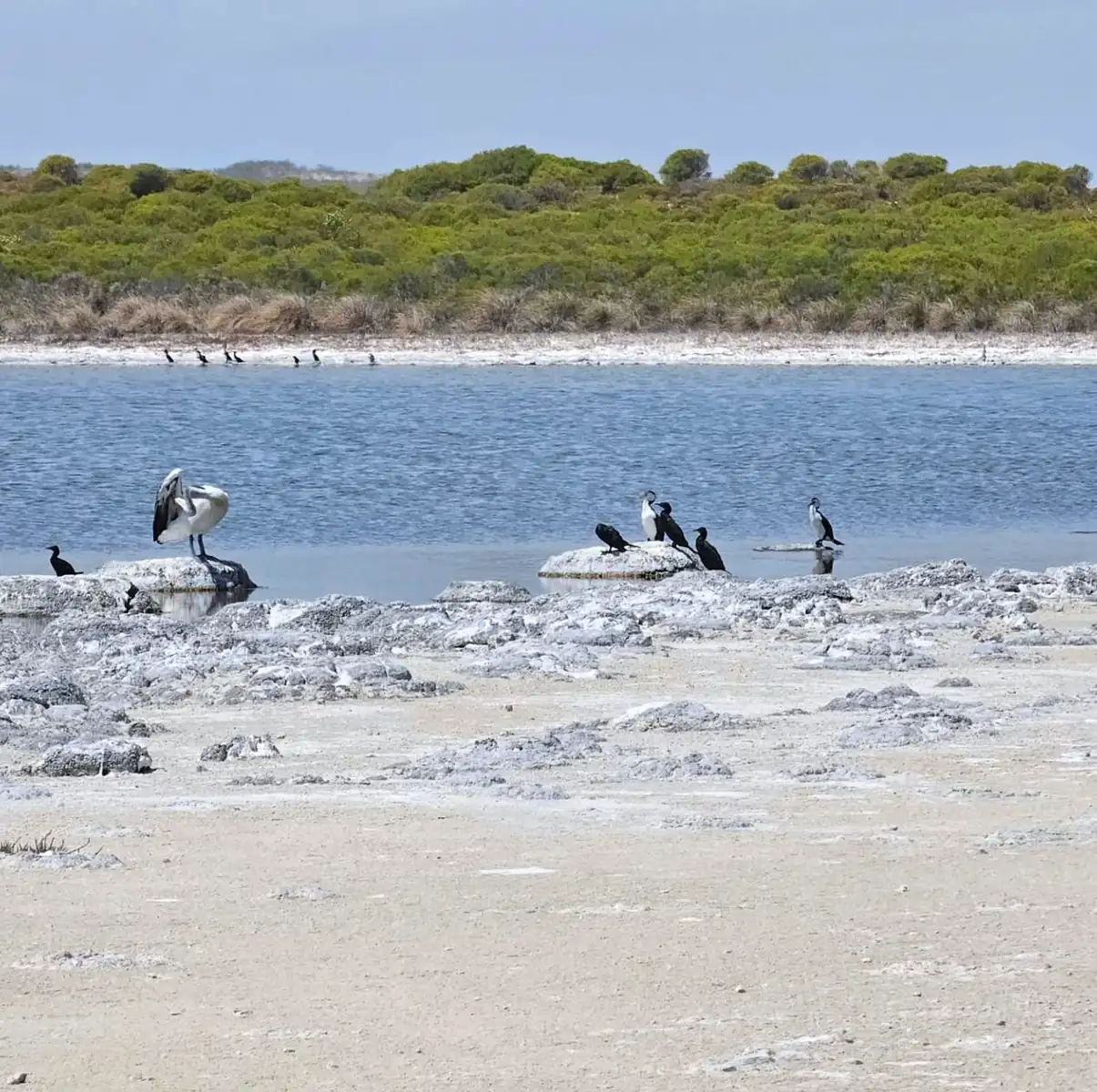
You do tend to find that the birds in this place are a bit hard to spot at first glance. You don’t get the flashy tropical birds as you do in Queensland, but that doesn’t mean there’s nothing to see – instead, you notice the little things like how they move, what they sound like and how they go about finding food.
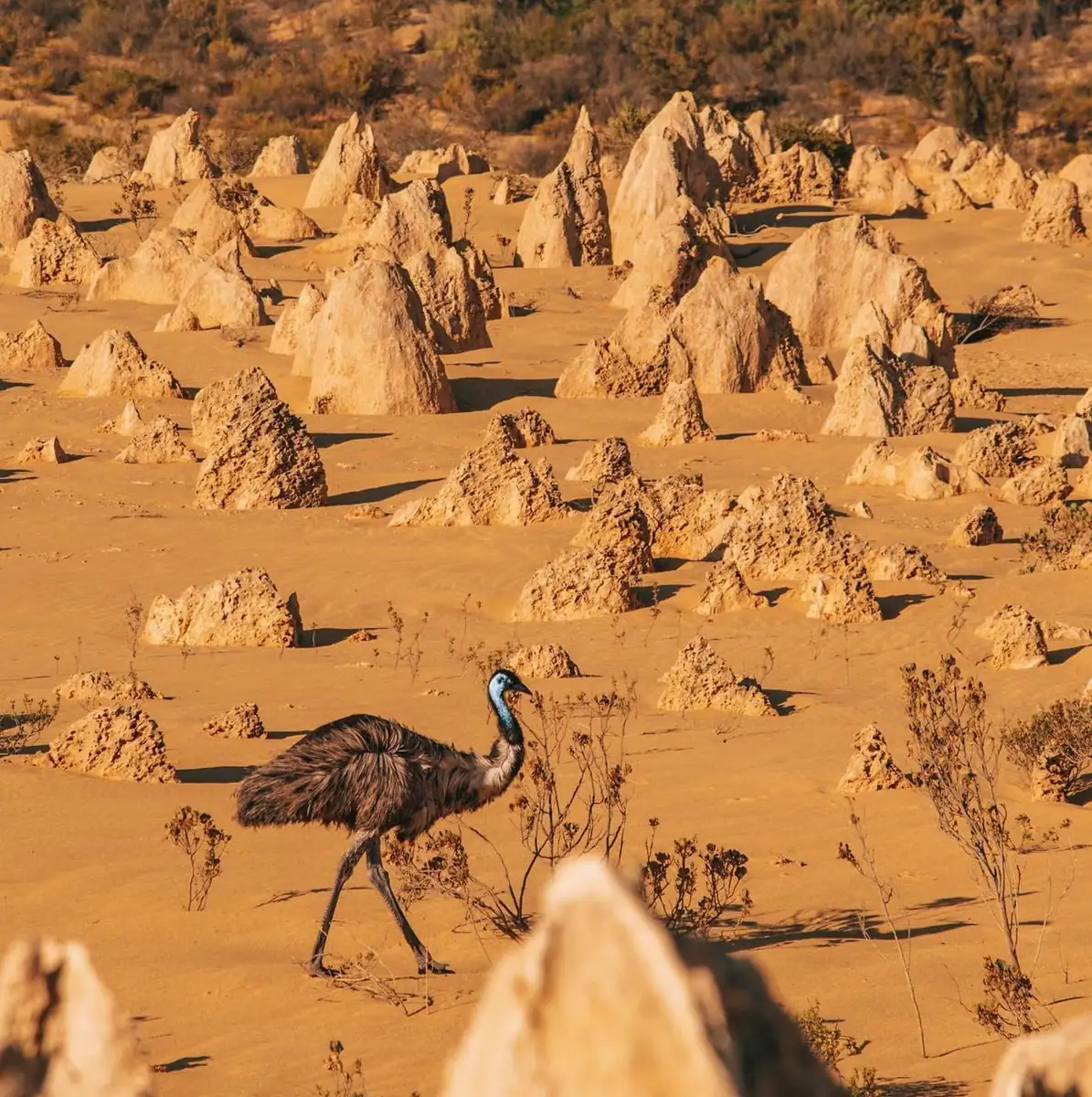
Birds like the Australian Magpie are pretty easy to ID by the sound they make. The Australian Raven gives off this distinctive scratchy sound that you’ll never forget once you’ve heard it. And if the wind is blowing right, you might catch a glimpse of the Wedge-tailed Eagle soaring overhead – usually around mid-morning.
Most people get this totally wrong – they think it’s all about what you’ve seen, but out here, what you hear is just as important, if not more.
After Sunset: Where Things Start to Get Weird
If you pack up and go home when the sun goes down, you’re missing the whole point. This place doesn’t just shut up shop – it changes, and that’s when the magic happens.
Night hiking in this place is all about slowing right down and really tuning in – the temperature drops, the wind dies away, and the bush comes alive in a whole different way.
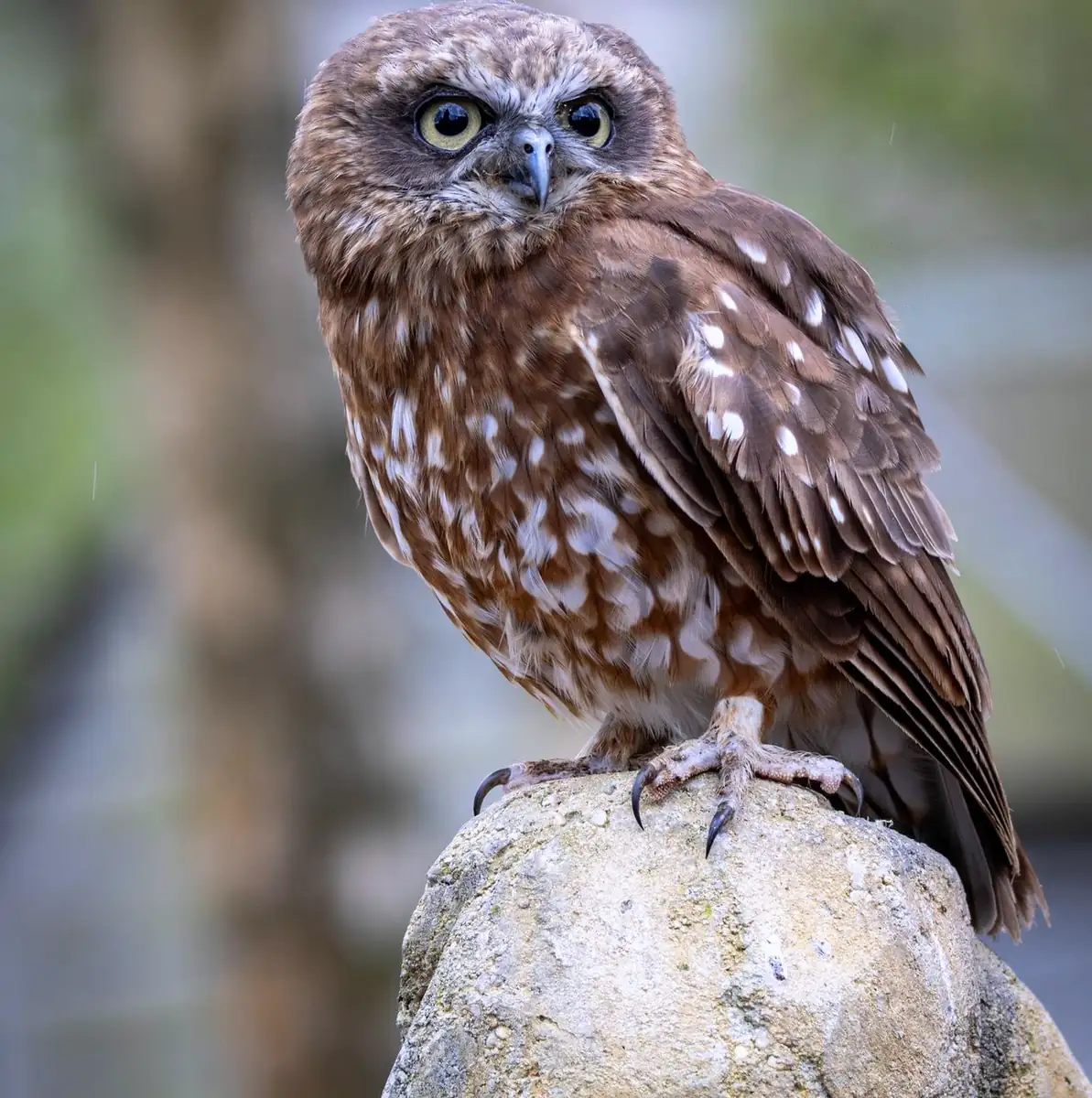
You might hear the Southern Boobook Owl before you see it – that distinctive “boo-book” call cuts through the still air like a knife. Take your time and be lucky.
The roos start grazing in the open spaces, while the Common Brushtail Possums come out and make a lot of noise as they bound through the trees.
And on a clear night, the Milky Way stretches right across the sky – no need for some fancy guided tour, just switch off your headlights and take a look up.

Getting To Know What You're Really Looking At
Most travellers glance at something moving, freak out, and guess wildly. That’s not identification – that’s just making it up as they go along – and completely missing the mark.
The way I do it is straightforward, but it works like a charm. You need three bits of information before you’re confident that what you’re looking at is something specific:
- Shape and size: it’s all about the outline, not so much about the colour of it in the fading light
- Sound: the call can give it away more often than you’d think
- Movement: hopping, gliding, or darting – it’ll usually punch you in the face and get your attention one way or another
If you miss one of those – either because you’re in a hurry or you just weren’t paying attention – you’re just winging it blind. But if you get all three, you’re building on solid ground.
The right torch use is also super important – a red light is a heck of a lot better than a white one because it doesn’t disturb the critters as much, and slow, sweeping movements are far better at picking up that eye shine than just rattling off from one spot to the next without giving anything a chance to show its face. I’ve spotted way more action just standing still for five minutes than I have by walking around for half an hour with my head up in the air.
Real Life Conditions - What Really Catches You Out
Let’s cut to the chase – this place can be a right old challenge if you’re not geared up to handle it.
Heat is a major player here. Days in summer can easily hit 35 degrees and just drain your batteries. Most of the wildlife gives you the slip when it’s hot, so if you’re out during that time, you’re going to have to work twice as hard for next to nothing.
And then there’s the wind. A gusty afternoon can completely shut the whole show down – and it also makes hearing the calls, which is a big part of spotting them in the first place, a whole lot harder.
At night, you’ve got to watch where you’re walking – uneven ground between those limestone spires can be a nightmare if you’re not careful. And don’t even get me started on snakes – they’re lurking in the scrub even if you can’t see them, so keep your wits about you and stay sharp.
Feral foxes can also really mess with the native animals, making them even more skittish than usual. Which is why patience is key – you’re trying to spot the animals, yes, but you’re also trying to work around the extra pressure they’re already under.
Costs, Timing & What To Expect
Don’t be under the illusion that this place is going to be an inexpensive day out, although it’s far from being a rip-off either. If you do decide to come from Perth, you’re looking at around $17 per vehicle for park entry, and then there’s the fuel to consider – between $40-$70 for the round trip, depending on what kind of vehicle you’ve got. And if you are looking to grab a bite at Lobster Shack, be prepared to shell out around $25-$40.
As for time, forget about rushing it. Four to six hours is the minimum if you want to see anything worthwhile – anything less and you’re just skimming the surface.
If you are pushed for time, you can look into one of the Pinnacles tours from Perth to help tidy up your day a bit, but even then, you’ll be missing out on the good stuff if you rush it.
One-Day Trip Done Right
So you’ve only got a day to spare – coming out mid-afternoon is the way to go. Spend the first hour getting your bearings and deciding where you want to head – pay attention to how the light is starting to fade as well. Once the light starts to soften, take a trip to the scrub edges and low-lying vegetation – good stuff is often found hiding in those spots.
Stick around till the sun goes down and into the night – the bit of time from 5 pm to 8 pm, depending on the season, is when it all comes alive, and you really want to be there for that. Don’t leave till you’ve had your fill, not just when the light has gone.
Who This Place Is Right For
This place is perfect for folks who enjoy taking their time, observing and spotting the patterns in the wild. If you’re into wildlife, pictures, and learning how ecosystems work, then you’ll have the time of your life.
On the flip side, if you are one of those people looking for instant results, quick sightings or a bolted-down itinerary, you’ll probably leave feeling a bit flat.
Families can come, but they do need to watch out for themselves after dark – and mobility can be a bit of a problem, especially around the scrub edges.
Seasonal Variations That Do Make a Difference
Spring is the standout season – breeding time means loads more calls, movement and identification opportunities all round.
Summer is a whole different ball game, though – it’s bloody hot for most of the day. You might get a bit done early in the morning if you fancy melting in the heat; otherwise, it’s very little.
Winter is a bit of a mixed bag – it’s a lot more pleasant, but there are a lot fewer species out and about, so you might not see as much as you’d want. The silver lining is that you do get to see what’s out there much more clearly when it’s not scorching hot.
Expectation vs Reality - No Sugarcoating Here
Most people rolling in here expect a safari-style wildlife extravaganza – where the animals just sort of jump out at ’em. But let’s face it, that’s just not how it works. You’ve got to put in the effort – and that’s what makes it all worth it.
They think it’s going to be a leisurely stroll through the sand, but they soon find out they’ve got to contend with some pretty harsh conditions – blistering heat, uneven ground, the whole works.
They’re convinced a night trip will guarantee instant action – but if you don’t take the time to pay attention and really listen to what’s going on around them, then you’re just going to be stuck. Unless they take their time and really pay attention, then maybe they can expect something to turn up.
For the folks running the tours – outfits like Pinnacles Tours – this is the problem – they make all the difference. It’s not about planning the trip around what’s convenient – they actually tailor the whole thing around the animals’ daily routines.
That’s what makes the difference between catching a glimpse of something and really getting a feel for what’s going on.
Wrapping Up The Track
If you really want to see the birdlife and nocturnal animals around here, then you’ve got to approach it with a bit of a different mindset. Don’t think of it as just a quick stopover – think of it as a process.
Take your time. Don’t rush around like a headless chook. Trust your ears more than your eyes – and don’t leave before you’ve really got the hang of it.
When you do that, the place stops feeling empty and desolate – and starts making some kind of sense.
The Bottom Line
Nambung needs patience and timing – both are non-negotiable. Learn the land, take it slow and give yourself time to really see what’s out there.
FAQ
When's the Best Time To Spot Wildlife Around Here?
If I’m being honest, I reckon sunrise and the first part of the night are your best bets. Midday is pretty hopeless – it’s just too hot, and there’s just nothing much going on.
Do You Need A Guide To Get Any Good Sightings?
Not necessarily, but getting a tour guide from the likes of Pinnacles Tours from Perth can really help you get the most out of the experience and learn a thing or two.
Is Night Exploration Worth It Even For Total Beginners?
Absolutely, it is – but just be careful: stick to the tracks, bring a decent torch, and don’t rush around like a mad person. Don’t go wandering off into the dark with no clue what you’re doing.
How Long Should You Spend Here For a Proper Experience?
You should really aim to spend at least four to six hours here, with the ideal time from late afternoon through to early night.
What Do You Think's The Reason So Many Visitors See No Wildlife At All?
They usually turn up at the wrong time, rush around like maniacs and fail to pay any attention to the terrain or what’s going on around them.