Beyond The 12 Apostles: 7 Secret Spots The Tour Buses Skip
Beyond the 12 Apostles: 7 Secret Spots Tour Buses Don’t Go is about a pretty simple truth: the really great bits of the Great Ocean Road aren’t the ones the tourists gather to – they’re right past them. I’ve spent years showing folks around this bit of road, from Airey’s Inlet all the way to Port Campbell & beyond, and I’m here to tell you – the average person does the same old 3 lookouts thing, then thinks they’ve ticked it off.
It’s a far cry from actually doing it.
If you shift gears a bit – change up your routine, take a few more steps, and start to get a feel for how this coastline really behaves – you’ll come across tucked away coves that are way less crowded, some great angles on the same rock formations that everyone else has, and places that actually feel like that wild Shipwreck Coast – not some busy car park with a view.
See More, Skip The Crowds
Most travellers follow the same old routine that the buses do – leaving Melbourne early, getting to the Twelve Apostles at midday, and then scratching their heads, wondering why it’s so bloody crowded. I’ve watched this same pattern day in and day out, with tourists joining Great Ocean Road tours, and it’s almost like clockwork – predictable to the minute.
But here’s the game-changer: try arriving late or staying overnight near Apollo Bay or Port Campbell. Boom! Wake up early the next morning or head out just before sunset. You’ll still get to see all the same spots, but this time with a bit of space to take it all in.
From a tour guide’s perspective, making this one simple swap makes a world of difference – and you can do it without adding extra days to your trip.
Gibson Steps - Where Timing Your Visit Makes All the Difference
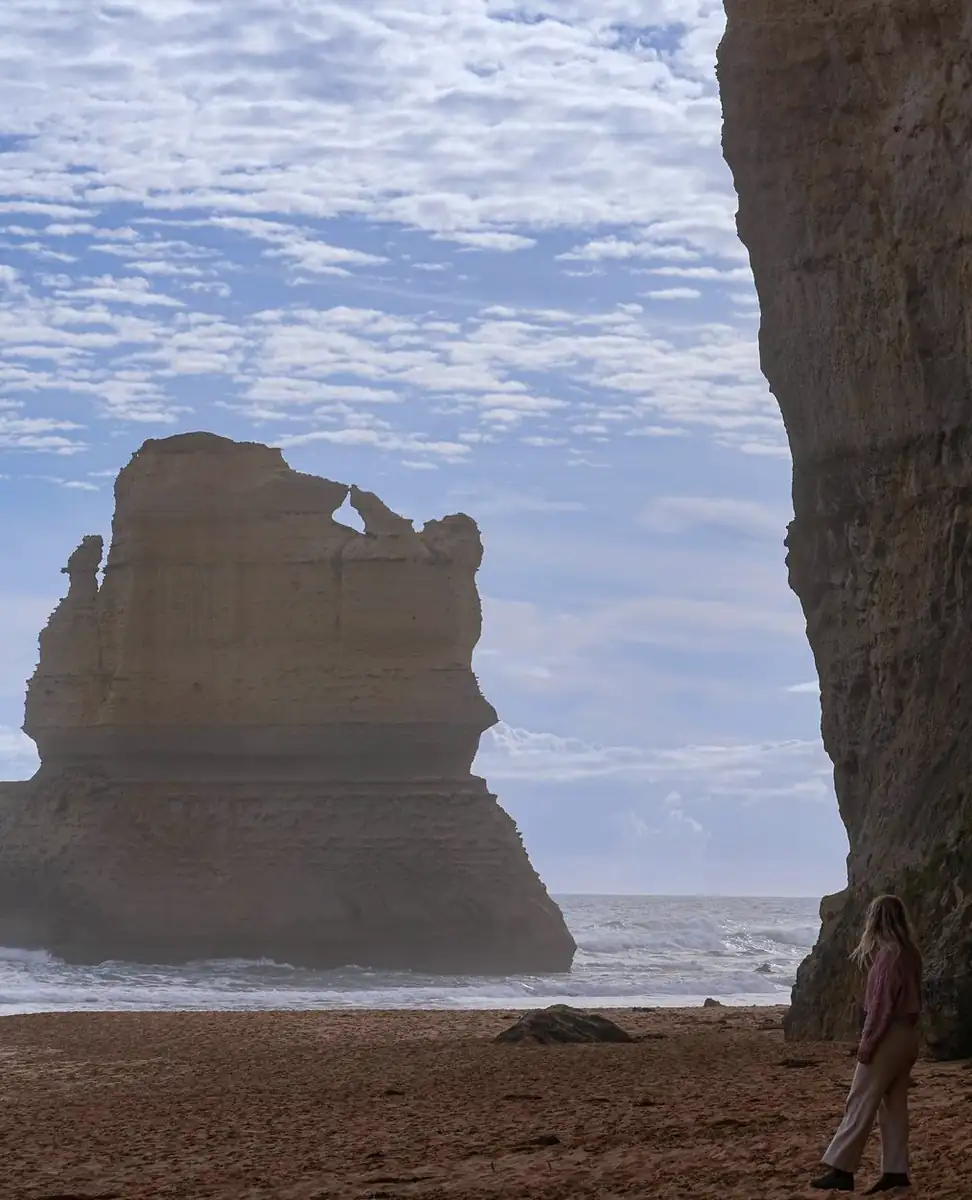
Gibson Steps often gets overlooked because it’s tucked away just before the main Apostles car park. But that’s exactly why it works.
Climbing down to beach level gives you an entirely different perspective – staring up at those limestone stacks rather than just looking across at them. It’s a lot noisier and windier, and just plain more immersive.
The trouble is, most people get caught up in the tide. I’ve seen tourists wandering down, thinking everything is gonna be fine, only to find their feet getting wet and the sand disappearing beneath them. And there’s no warning sign to tell you you’re about to get cut off.
The basics:
You’ll find a small parking pull-off off the side of the road. It fills up by mid-morning, so get there early. The stairs down to the beach are pretty steep, but manageable – though the climb back up can feel a lot harder if it’s a hot day and you’ve already been driving for hours.
Loch Ard Gorge Tracks: Where People Usually Decide to Pack it in Too Soon
Everyone comes to Loch Ard Gorge, but most hang out at the main viewing platform, which is where they miss out.
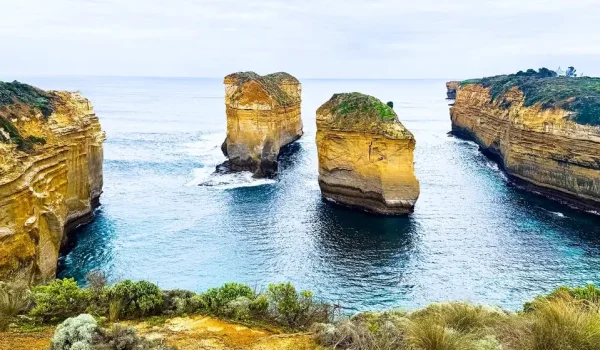
Take a 5-10 minute amble down the tracks, and you’ll come across Razorback and Island Archway – same rugged coastline, but fewer people to jostle with and better vantage points to grab.
The reality is a bit different from what people think:
Loch Ard isn’t just one lookout point; it’s actually a cluster of viewpoints scattered along some short walking trails.
A word of warning – having been there:
Don’t even think about getting too close to those cliff edges for a better snap – it’s just not worth the risk. Stay on the marked paths and keep your distance; it’s not a place to mess around with.
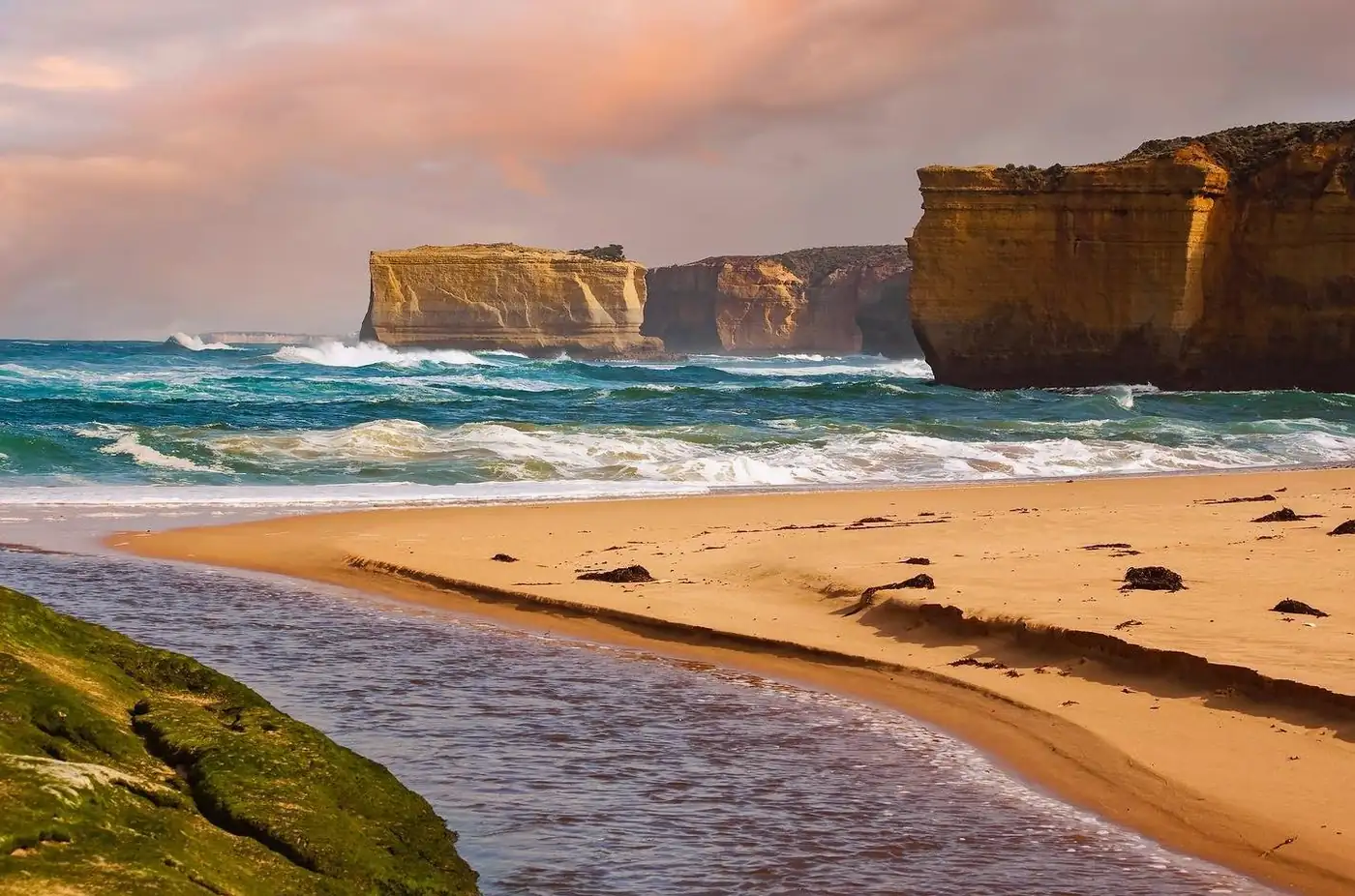
Sherbrook River Mouth: Where Being Off the Beaten Track Doesn't Mean It's Safe
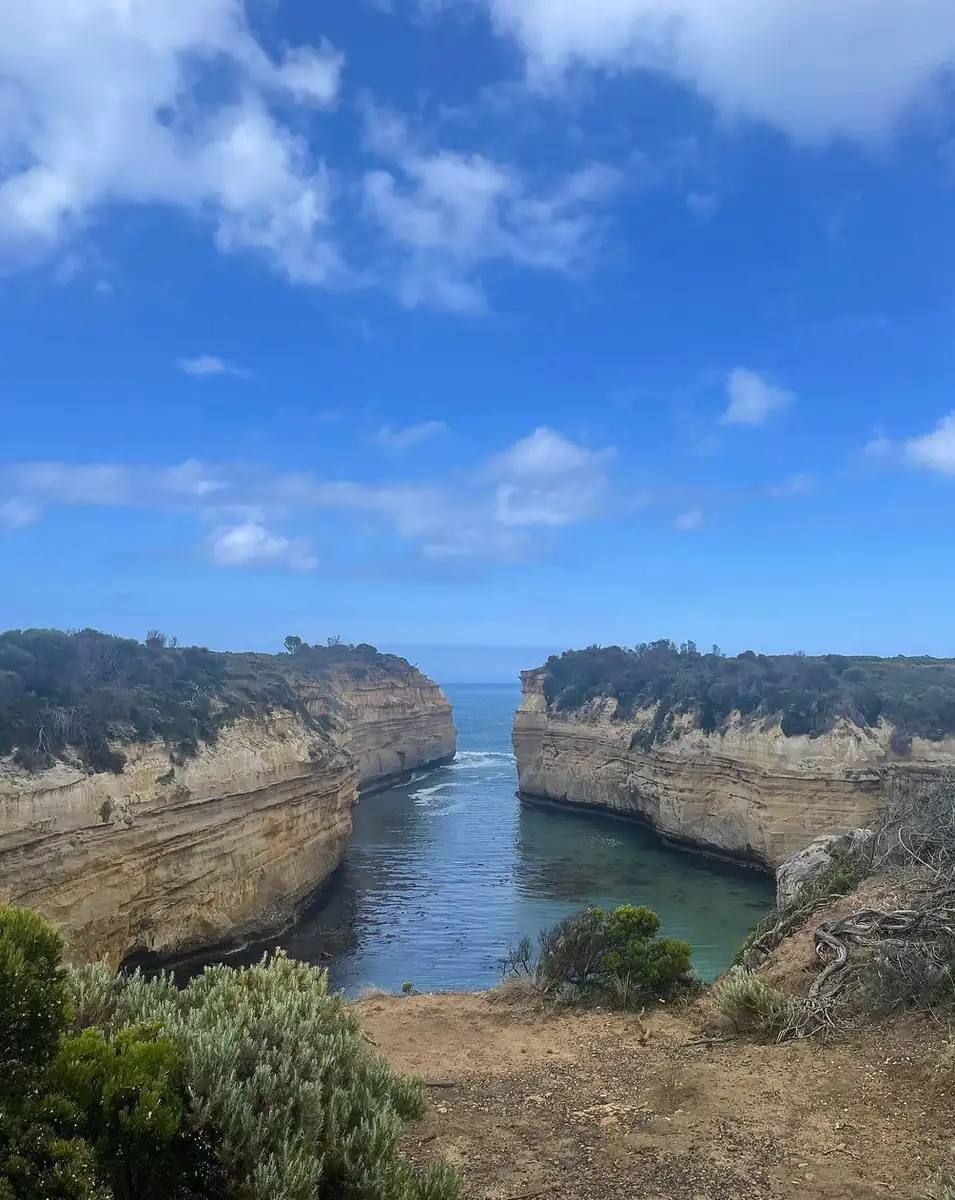
Just outside Port Campbell, Sherbrook River Mouth is one of the easier ways to escape the crowds.
There’s a short gravel track, and then you’re onto a wide open sandy beach in no time. You’re often the only one there.
Where people go wrong:
They assume because it’s quiet, it’s safe. But it’s not that simple – the surf can get pretty rough, and there are no lifeguards on duty.
So if you do want some peace and quiet on a secluded beach, Sherbrook is a good bet – but don’t even think about getting in the water – it’s a look and walk kind of spot.
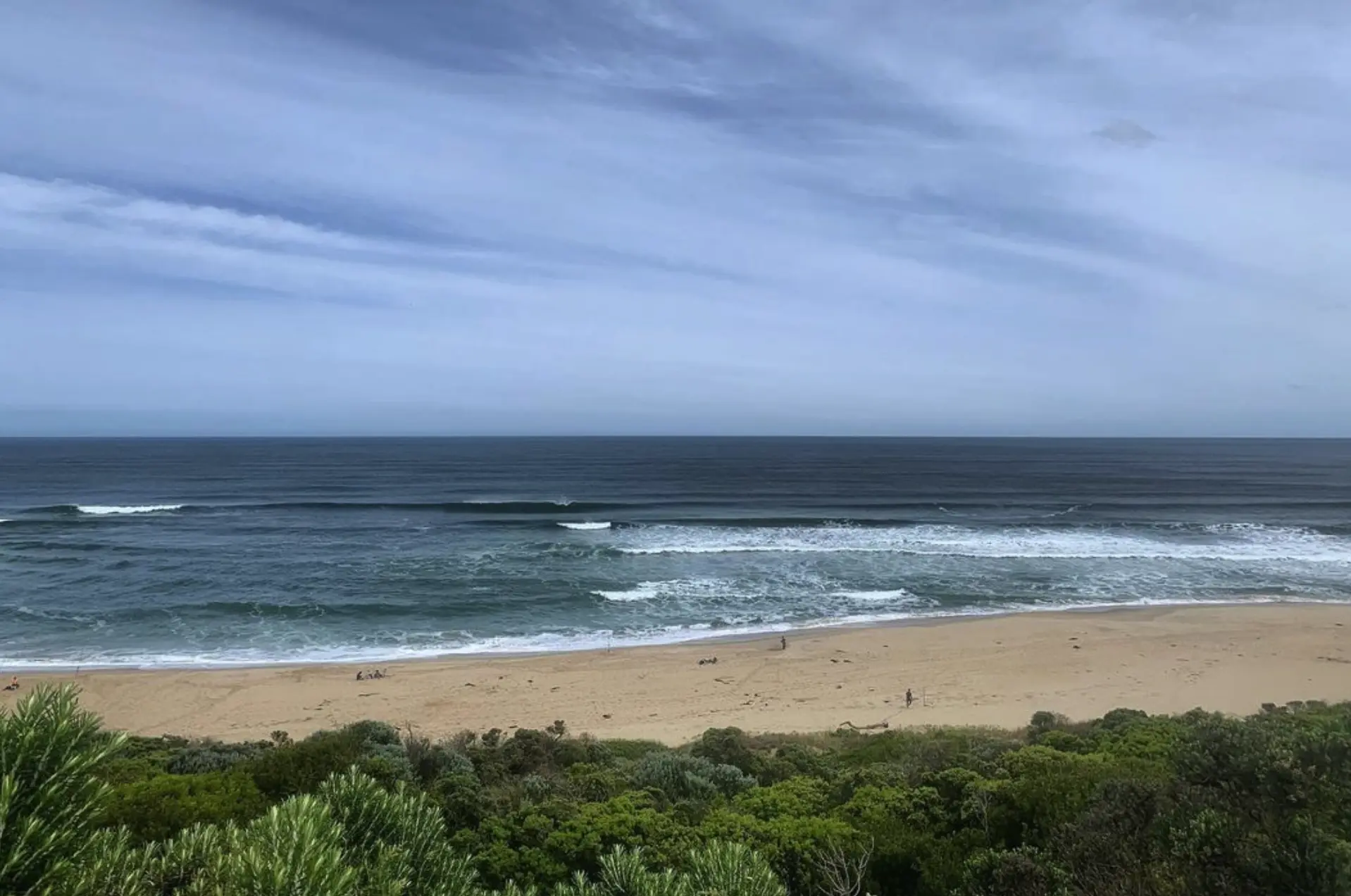
Johanna Beach: Where the Coastline Feels Like You're the Only Person There
Heading inland through the Great Otway National Park, you’ll notice the atmosphere change pretty quickly – dense forest, fewer cars on the road, it’s a whole different pace of life.
Johanna Beach sits right at the edge of that transition – a big, exposed beach with a wild feel to it.
A personal anecdote:
I’ve ended up here after a busy day visiting the Apostles, and within a few minutes the whole group falls silent – that’s how it has that effect on you, you’re left feeling more present and focused.
Weather Conditions:
Be prepared for wind and strong surf – you’re in the Otway Ranges here – and if you stick around for a while, you might just catch a glimpse of some wildlife.
Wreck Beach: Where Only Those Who Are Willing to Put in Some Effort Get to Enjoy it
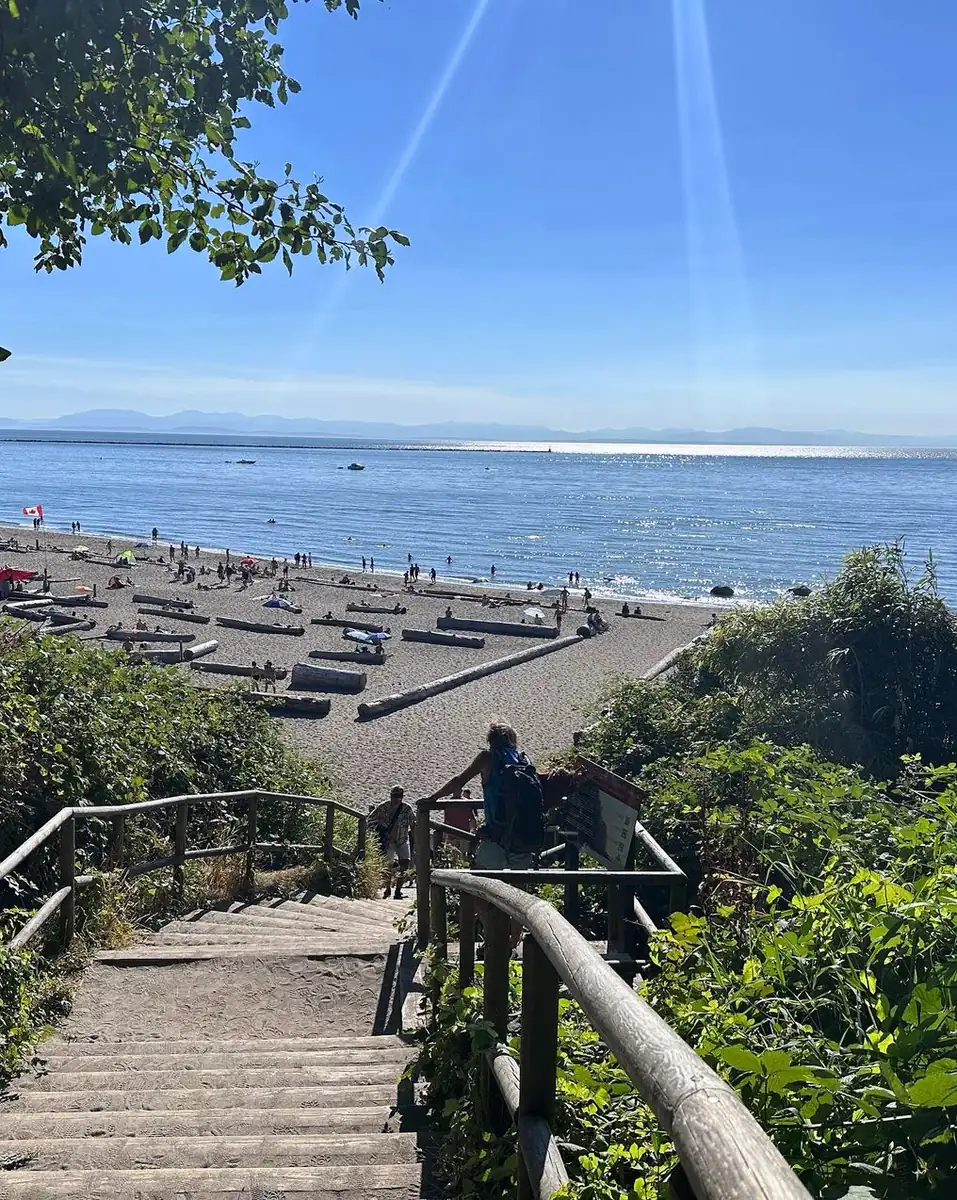
Wreck Beach is part of the Great Ocean Walk, so it’s not exactly a casual stop.
Will you be descending hundreds of steps to get to the beach – and coming back up? That’s where most people start wondering if they made a bit of a mistake.
Realistic Timeframe:
Getting down takes around 20 minutes, but the climb back can take twice as long if you’re not used to it.
Why it’s worth the effort:
You get to see real shipwreck anchors just lying on the beach, not stuck behind some glass case.
But it’s not for everyone:
Anyone with mobility issues or limited timeframes would be better off giving it a miss – this place isn’t exactly a quick drop-in spot.
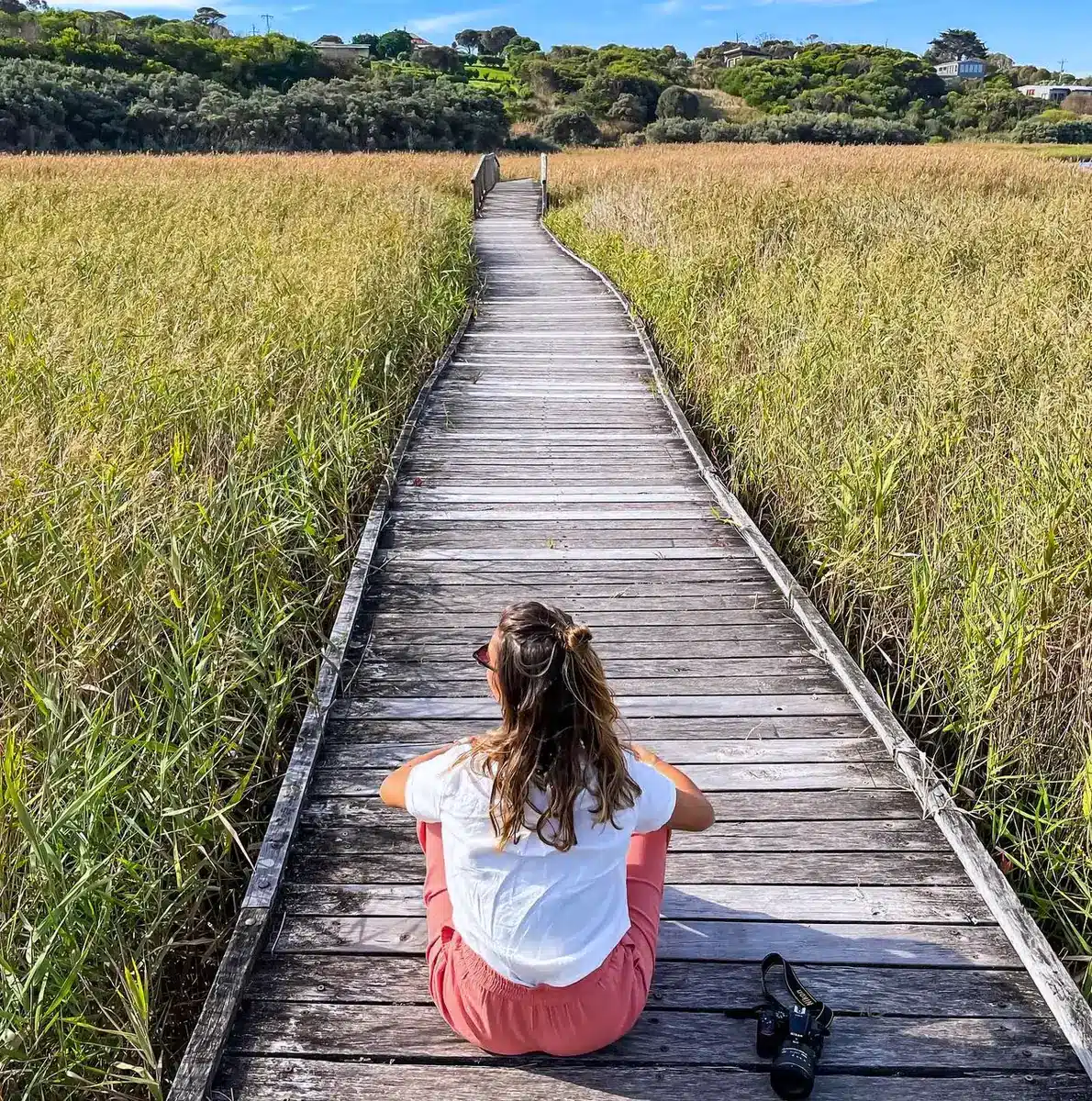
Princetown Wetlands: Where Slowing Down Is Definitely On Your Side
Just outside of Princetown, the vibe changes again.
The walking tracks here are nice and flat, the water’s calm and the birdlife’s thriving instead of the crash of the waves. After all those cliff-hugging spots, this is a place to unwind and take a breath.
Practical Uses:
This is a great one to hit during the middle of the day when all the other coastal spots are swarming with people. It’s easy to get to and a nice, gentle break from all those stairs and driving winds.
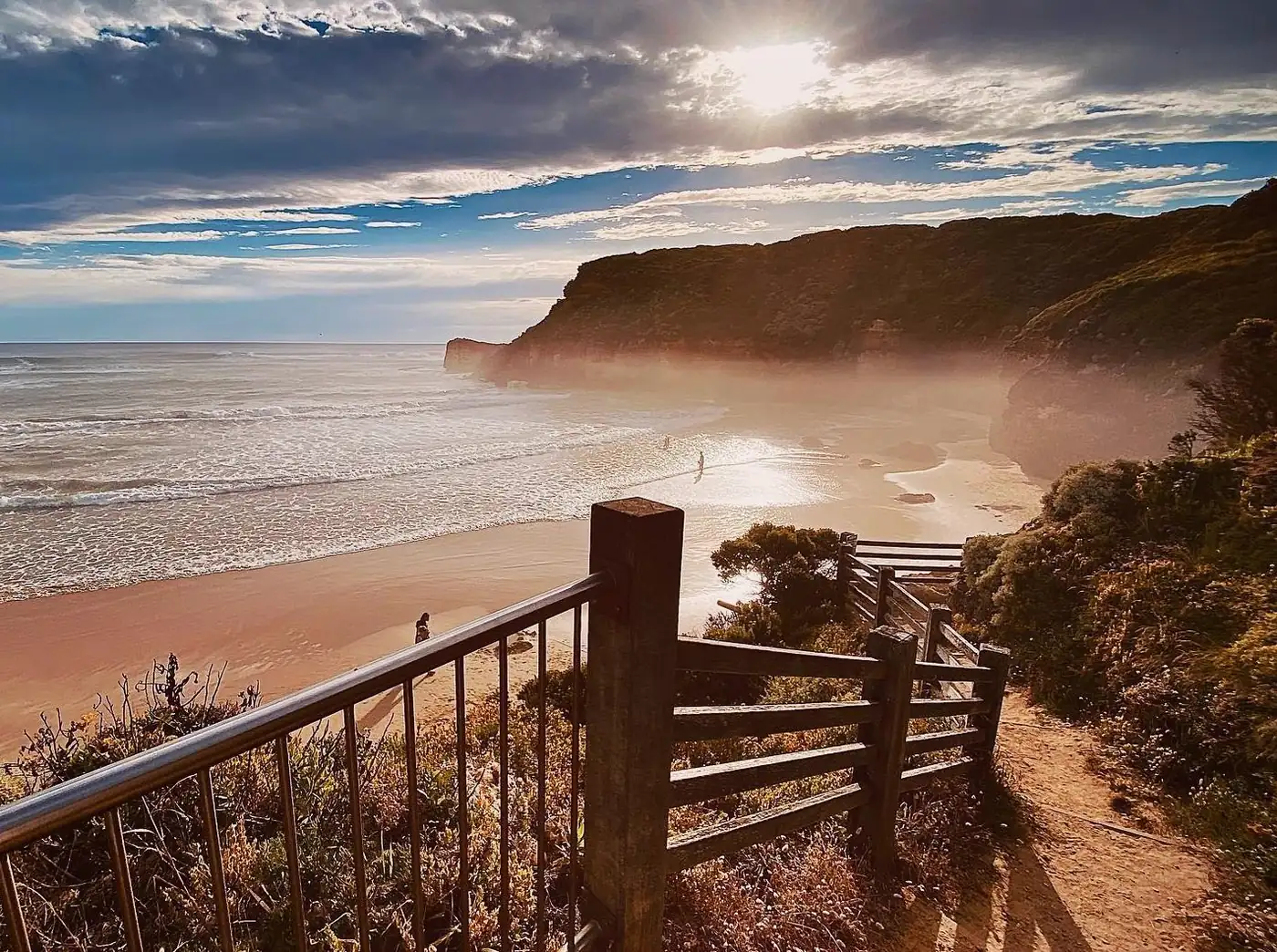
Childers Cove And Castle Cove: Places You Don't Normally See On Your Itinerary
Further down the west coast, spots like Childers Cove and Castle Cove don’t usually make it onto people’s itineraries.
And that’s because getting there isn’t as simple as just turning off the highway.
What People Often Get Caught Out On:
Dirt roads – they can be pretty rough. Plus, the conditions can change on you, there’s limited signage, and your GPS might not pick up a signal. A lot of the time.
First Timers:
I still remember feeling like I’d taken a wrong turn trying to get to Childers Cove – turned out that uncertainty is actually what keeps it so quiet.
Practical Comparison Of Effort And Payoff
| Location | Return Time On Foot | Difficulty | Access Type | Key Risk Factor | What You Get |
|---|---|---|---|---|---|
| Gibson Steps | 15–25 min | Moderate | Stairs | Tide changes | Beach-level Apostles |
| Loch Ard Tracks | 30–60 min | Easy–Mod | Walking paths | Cliff edges | Multiple viewpoints |
| Sherbrook River | 20–30 min | Easy | Gravel + walk | Strong surf | Quiet beach |
| Johanna Beach | 10–20 min | Easy | Sealed road | Wind, currents | Wild coastline |
| Wreck Beach | 60–90 min | Hard | Long stairs | Physical strain | Shipwreck relics |
| Princetown | 20–40 min | Easy | Flat track | Minimal | Wetlands calm |
| Childers/Castle | 30–60 min | Moderate | Dirt road + walk | Road conditions | Remote cliffs |
If You've Only Got One Day: What Actually Works
Trying to cover the entire Great Ocean Road in one day from Melbourne is technically doable, but it’s a massive undertaking and often feels rushed.
A far more realistic plan looks like this:
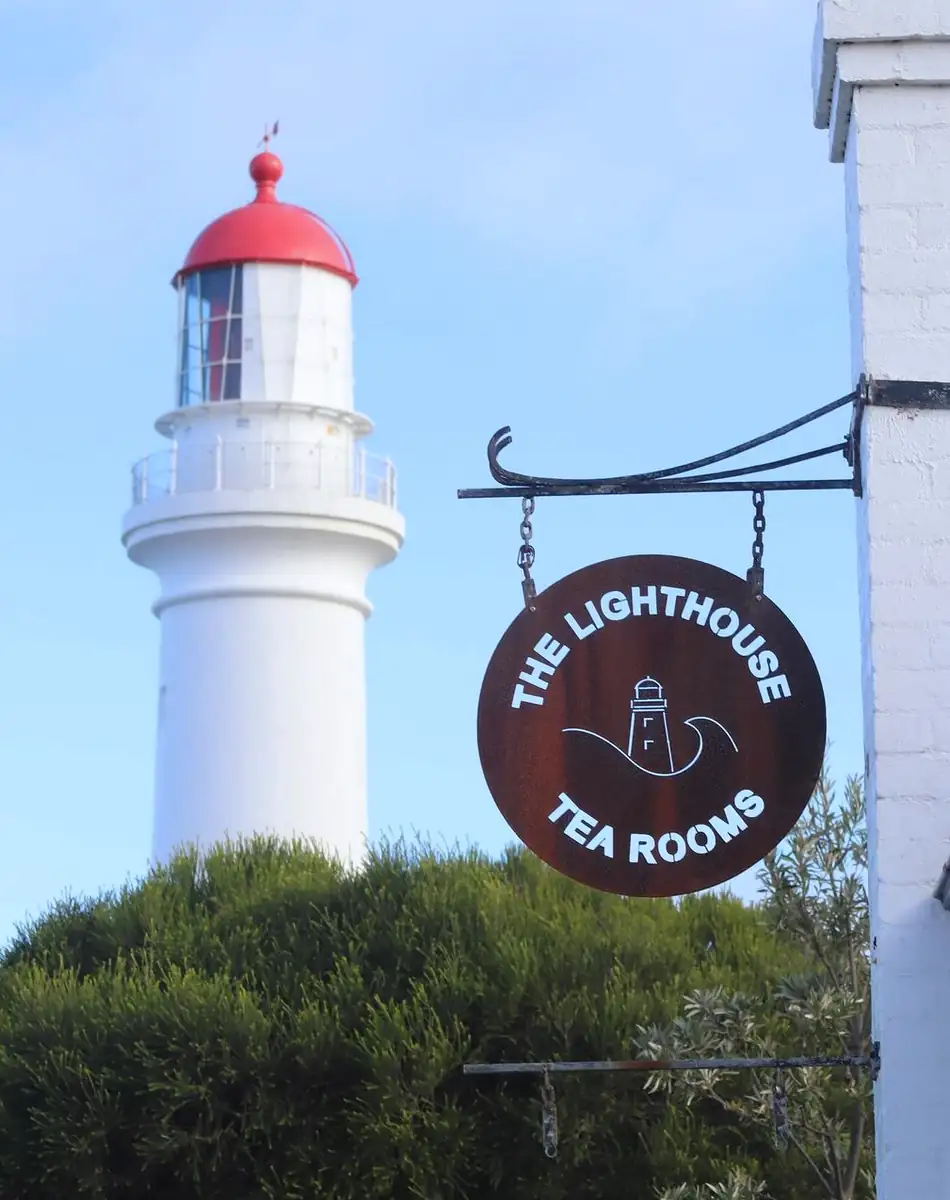
- Get a crack of dawn start near Split Point Lighthouse in Aireys Inlet
- Take your time through Wye River, and make sure to stop at Cape Patton Lookout along the way
- Push on to get a spot near Apollo Bay for the night
- Hit Apostles, Gibson Steps, and Loch Ard as early as you can the next morning
If you try to cram the entire drive back into one day, don’t be surprised if you’re stuck on the road for 10-12 hours with barely enough time to even stop and stretch your legs. That’s when a lot of weary travellers just burn out.
The Cost, Conditions, And What People Often Overlook
Costs aren’t outrageous or anything, but they do add up – especially when you consider that fuel alone could be running you between $80 and $150 AUD, depending on just how far you’re willing to push. If you’re staying near Apollo Bay or Port Fairy, accommodation can range from super budget-friendly at around $150 AUD to pretty comfortable options that’ll set you back $300 AUD or more. As for food, it’s pretty straightforward – you’re looking at around $20 to $40 AUD per person per meal unless you’re splurging.
Of course, there are always a few optional extras to think about – like taking a helicopter flight over the Apostles, or booking a guided tour with a company like Great Ocean Road Tours from Melbourne that’ll take all the stress out of driving entirely. If you’re not up for navigating all those winding roads, it’s definitely worth the splurge.
One thing that a lot of people consistently underestimate? How bloody exhausting the drive can be. You’re talking about hours of twisting through the Otway National Park – and those bends aren’t exactly forgiving if you’re struggling to stay awake.
Seasonality: What Changes Beyond The Weather
Summer‘s a great time of year, with long days and all that – but it also means crowds, and the risk of the odd bushfire through the Otway forest. Winter clears out the crowds, but it’s a different story altogether, with strong winds and slippery roads making conditions much more hazardous. Spring, on the other hand, is a great time to see all the local wildlife in action – especially around Kennett River – while autumn tends to be the sweet spot – stable conditions, fewer people, and everything in between.
If I’m being honest, autumn’s probably the best time to visit if you want the best balance of access, safety, and overall experience.
Who This Trip Suits
This bit of the Great Ocean Road is best suited to people who are happy to spend some quality time behind the wheel, don’t mind wandering off the beaten path for a better look, and are okay with adjusting their plans on the fly as things go.
If you’re short on time, struggling with mobility, or just expecting to be able to pull up and start snapping photos right from the get-go, then some of this route – especially Wreck Beach or places that require a bit of a walk to get to – might not be the best fit for you.
What Travellers Always Get Wrong
After years of chatting to people on the road, I’ve seen the same mistakes being made over and over again. People trying to cram too much into one day, ignoring the tide charts at places like Gibson Steps, skipping out on the walking tracks at Loch Ard Gorge – and totally underestimating just how bleary-eyed they’ll be after hours of driving.
Fix those, and the experience suddenly becomes a whole lot more enjoyable.
Final Word From The Road
The difference between just ticking off the Twelve Apostles and actually feeling like you’re living the Great Ocean Road comes down to your attitude.
Take a deep breath, slow down a bit and walk a bit further down the road. Pay attention to the tides, the weather and when you’re going – it all makes a difference.
Because just a short way beyond the usual main stops, the coastline completely changes – and that’s when it starts to feel real
FAQ
Is it worth going beyond the Twelve Apostles to check the surrounding coastline?
Yeah its definitely worth the detour – the quieter coastline offers some really immersive experiences that pack just as much punch as the main attractions.
Do I need a 4WD to do these locations?
Can you see wildlife along the way?
Yeah, you definitely can – the Otway Ranges and the forested areas have heaps of wildlife – keep an eye out for koalas and birds.
Are these stops suitable for families?
Some of them are – Princetown and Johanna beach work pretty well – but Wreck beach and some of the steeper access points may be a bit tough.
Are guided tours the way to go?
For some people, yeah, they can be. Operators like Great Ocean Road Tours can take the stress out of navigation and timing, which is a real plus on longer itineraries