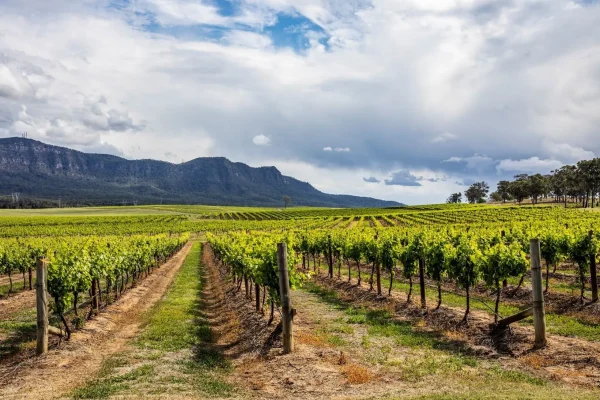
Hunter Valley Chardonnay Wine
Stepping into a Hunter morning as we dip into the world of Hunter Valley Chardonnay wine, I can tell you flat out – this isn’t your ordinary Australian white wine. Hunter Chardonnay has its very own swagger going on – all about savoury depth, soft and subtle acidity, and stone fruit flavours, with just enough French oak barrels still have a lot to offer with modern winemaking. If you want to get to grips with the good stuff and figure out what makes this valley a consistent winner at blind tastings, then you’ve come to the right place.
Below, I’m going to take you through the key characteristics, the numbers that back them up, the cellar doors to visit, food pairings to try, some potential pitfalls to watch out for, and a genuine story from my time tasting straight from the barrel – no fluffy marketing speak, just real-life experience and good old Aussie honesty.
Sharpening Your Palate for True Chardonnay Traits
You don’t have to be part of some fancy blind tasting panel to understand Hunter Chardonnay. All you need to do is tune in to what the region does best. The warm, damp climate doesn’t go in for big, bold fruit flavours. Instead, it’s all about savouriness, texture and the fine details that winemakers coax out through yeast lees, solids, malolactic fermentation and a bit of oak control.
What Real Hunter Chardonnay Tastes Like
- White stone fruit & peaches in tins
- Soft, gentle acidity that keeps things refreshing without getting too sharp
- Solids complexity that adds depth with nutty & savoury flavours
- Yeast lees texture that gives a creamy feel without getting too heavy
- Oak spice – think of it as cinnamon sticks, cashews, almonds
- Floral scents of honeysuckle and melon in some of the Upper Hunter’s best wines
- Clean, crisp acidity and a gentle fruit intensity that leaves you wanting more
When you pour a glass of Scarborough Yellow Label Chardonnay or a Vinden Wines Vegan Friendly release, these characteristics come shining through.
Climate, Soil, and Why This Chardonnay Stands Out
The Hunter doesn’t offer picture postcard conditions – it’s more like the real deal. The region throws in everything from humidity to sudden storms and the occasional heatwave – and somehow, Chardonnay ends up thriving. Winemakers here earn every good vintage, and that struggles to show in the region’s style.
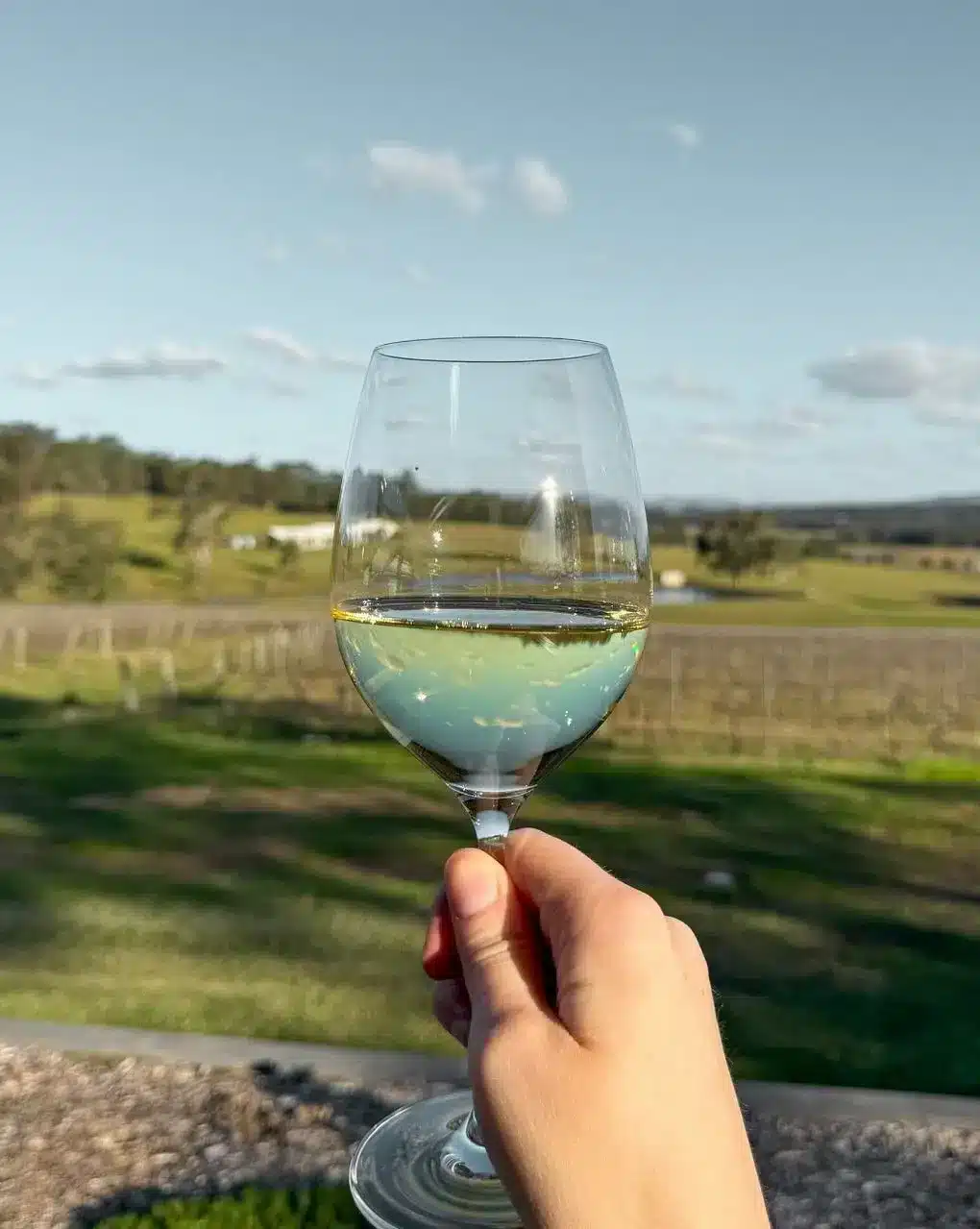
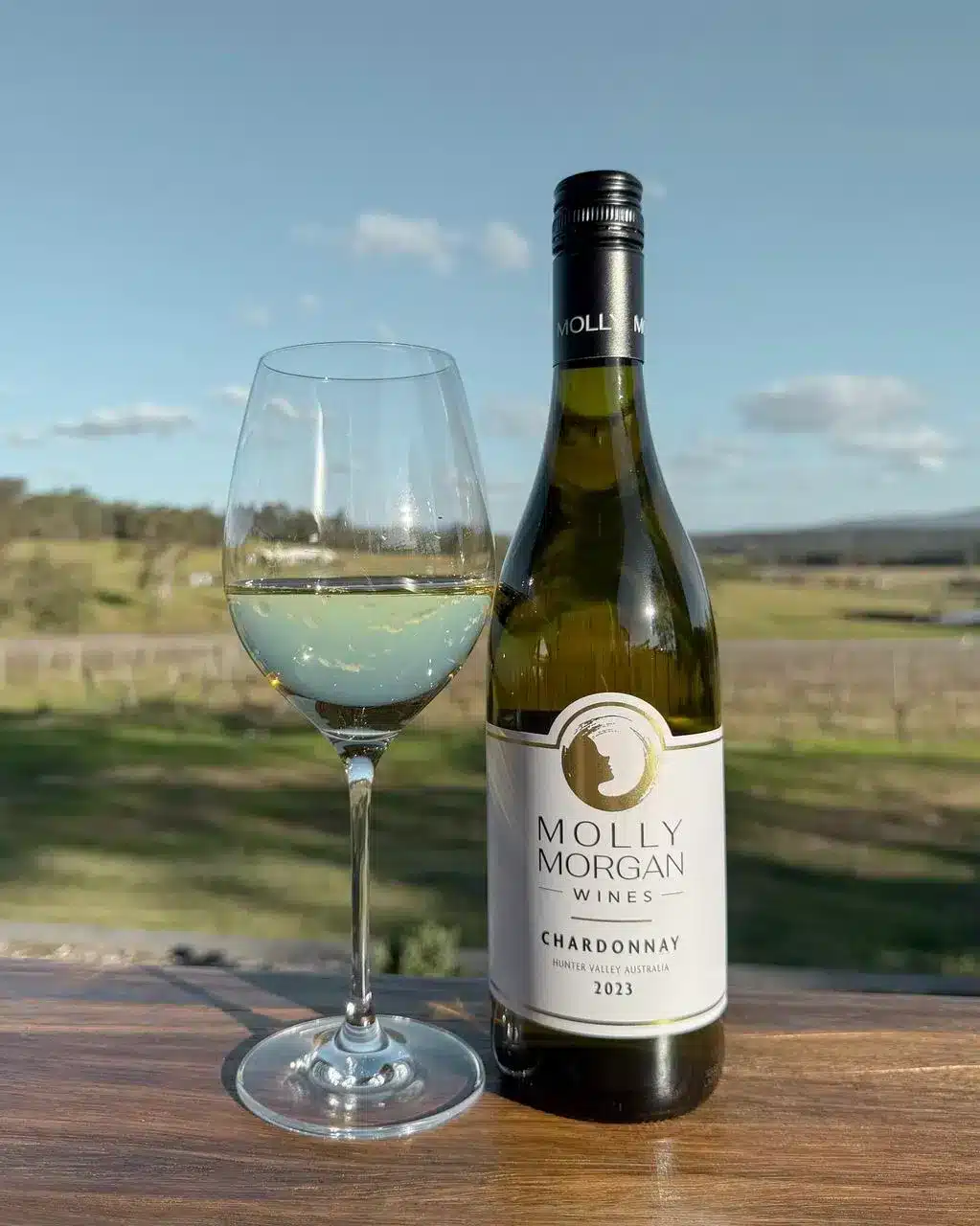
Vines along the Brokenback Ranges and across the Upper Hunter Valley pick up mineral notes from ancient volcanic soils, while an early harvest helps preserve acidity amid unpredictable summers.
What Defines This Chardonnay
- Summers that are hot, stormy & unpredictable → early harvest, fresher acidity
- Volcanic & alluvial soils → natural depth & savoury minerality
- French oak barriques → gentle spice, controlled texture
- Stainless steel tanks → cleaner ferments, lifted aromas
- Family-owned wineries → old-school skills & hands-on decisions
This isn’t a region copying Burgundy; it’s forging its own path – and doing it pretty well.
The Facts & Figures: Hunter Chardonnay by the Numbers
Wine may be romantic, but the vineyards don’t lie. So let’s pull back the curtain and take a look at some complex data. (All the stats below are based on publicly available data from Wine Australia and the Hunter Valley region, with production & alcohol levels cross-checked with winery reports & industry benchmarks.)
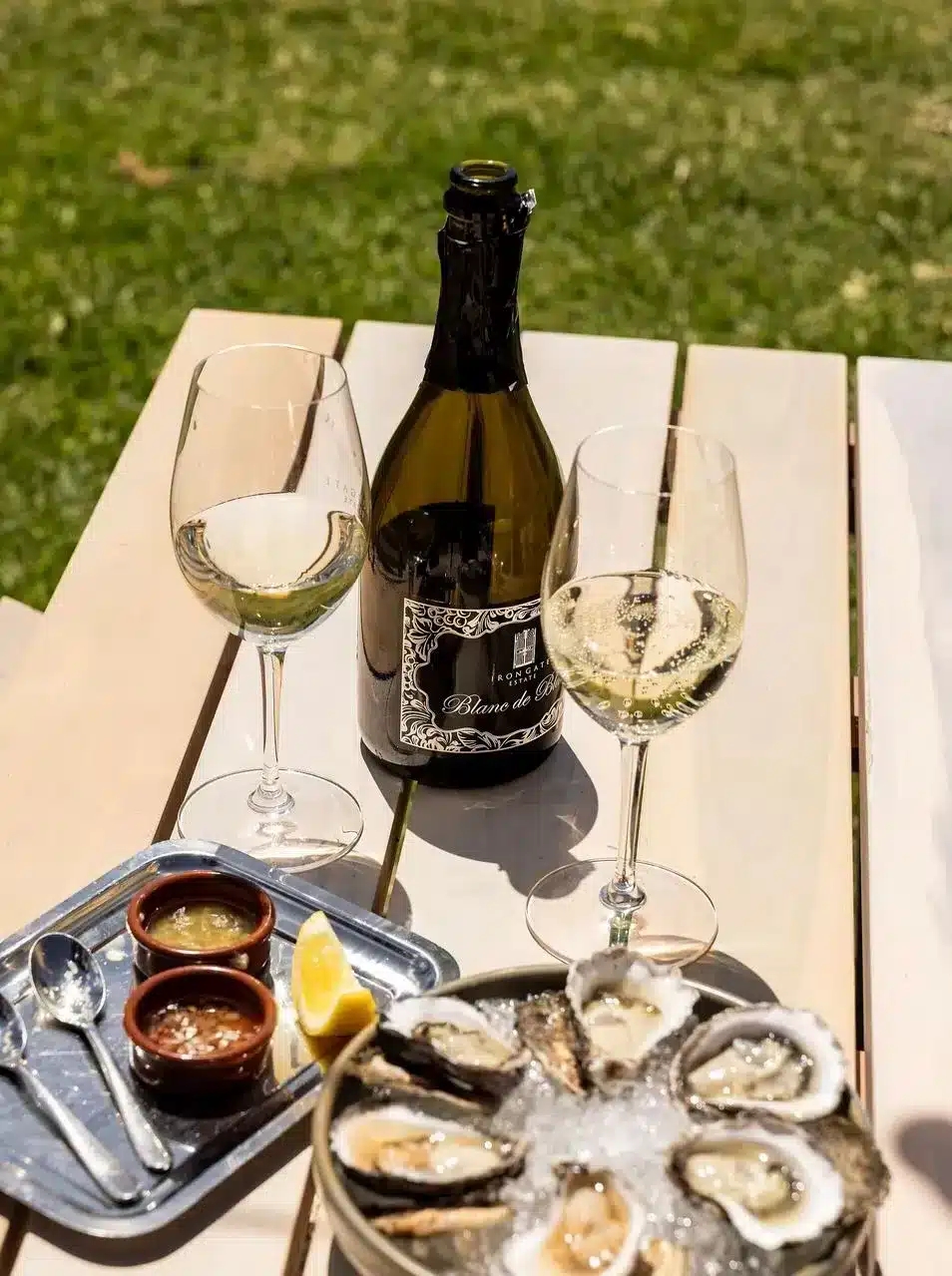
Hunter Valley Chardonnay Snapshot
| Metric | Typical Range | What It Tells You |
|---|---|---|
| Average Alcohol (% ABV) | 12.5% – 13.5% | Balanced for a warm region |
| Harvest Window | January – February | Earlier than cooler climates |
| Yield per Hectare | 5–8 tonnes | Lower yields = more flavour concentration |
| Oak Maturation Time | 6–12 months | French oak preferred; subtle, not showy |
| Average Price per Bottle | $28–$70 | High quality-to-cost ratio compared to VIC & SA |
| Ageing Potential | 5–12 years | Structure, acidity, and oak integration matter |
Navigating the Cellar Doors Without Getting Stung
You know, the Hunter on a long weekend can feel like sardines by noon. But with a plan, you can taste your way around without getting stuck behind a convoy of road-trippers with questionable GPS confidence.
Three Chardonnay Stops When You’re Short on Time
These aren’t the places with giant inflatable wine bottles or mass-produced tasting paddles. These are winemakers who keep it tight, focus on the fruit and let Chardonnay shine.
- Tyrrell’s Wines — historic, consistent and famous for oak integration. Vat 47 is almost folklore.
- Audrey Wilkinson — the view is ridiculous, yes, but the whites are good — citrus-led, crisp and food-friendly.
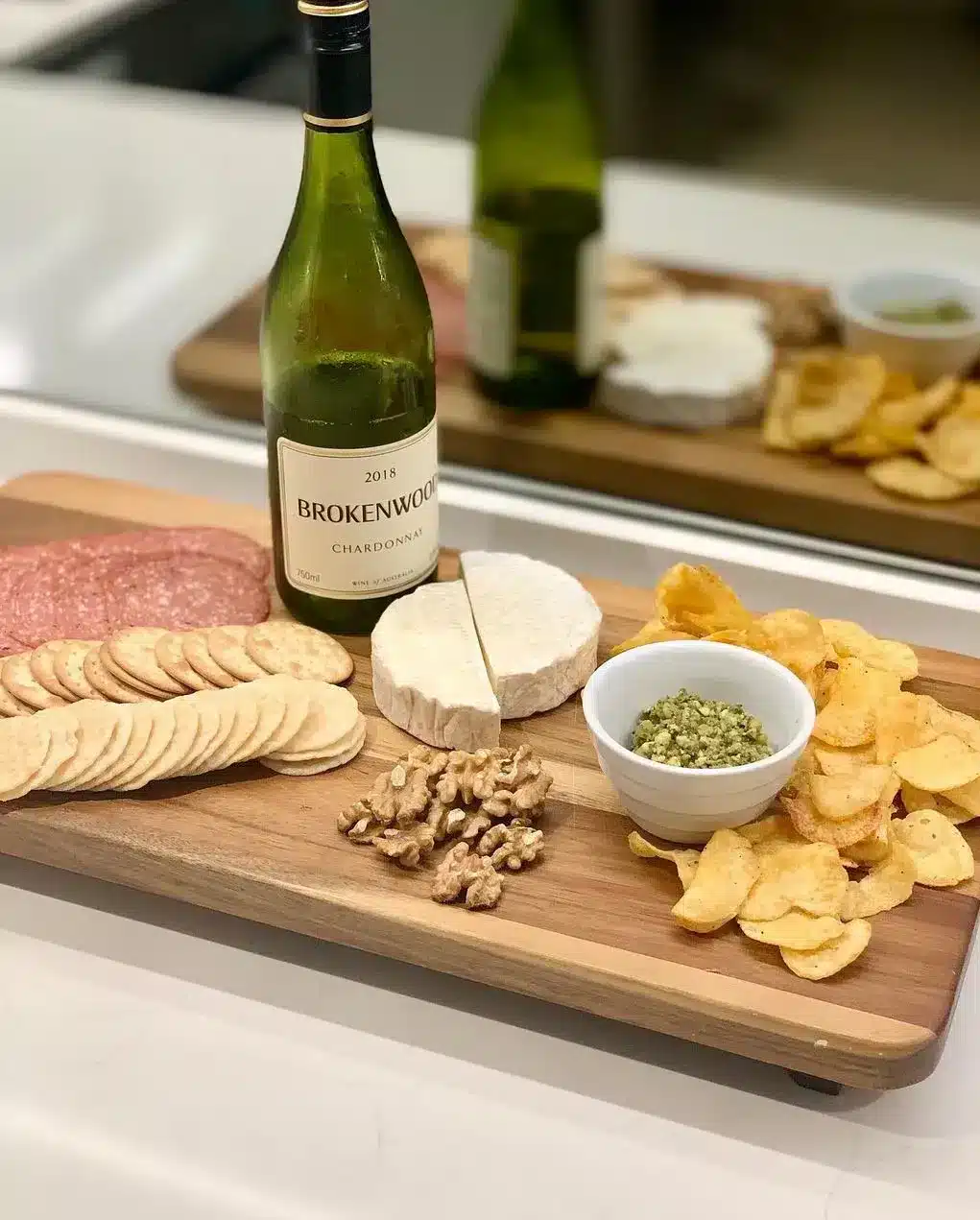
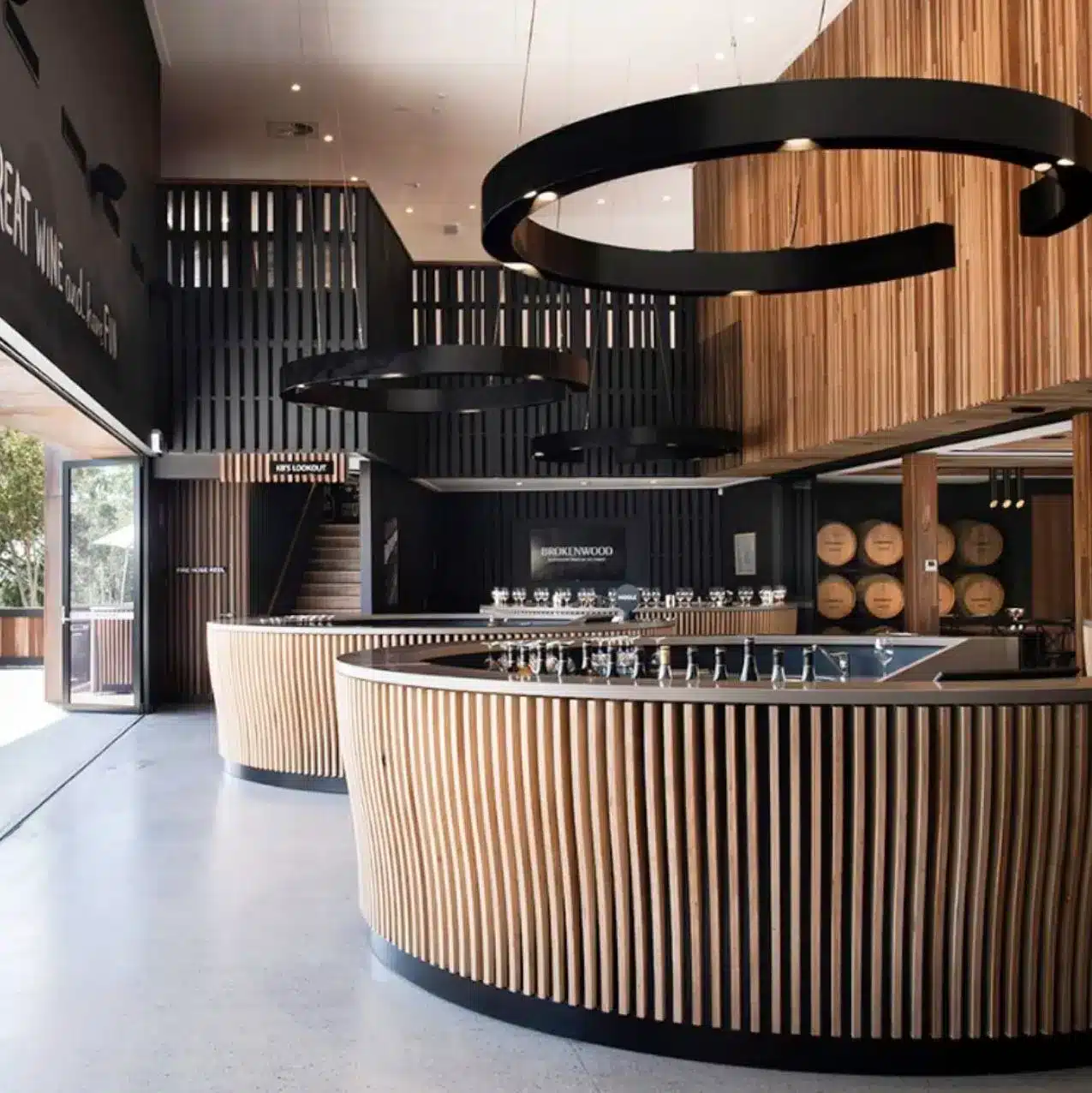
- Brokenwood — known for Semillon but don’t sleep on their Chardonnay — lean, mineral and quite confident.
If you’ve got a designated driver (bless them), stretch your tasting run across a few sub-regions — Lovedale, Rothbury, Pokolbin — each one brings a slightly different edge to the Chardonnay game.
If you’re on a 1 Day Hunter Valley Wine Tour, most operators (especially the good ones) hit the producers known for structured, stone-fruit driven Chardonnay — Scarborough, Silkman Wines, First Creek or De Iuliis.
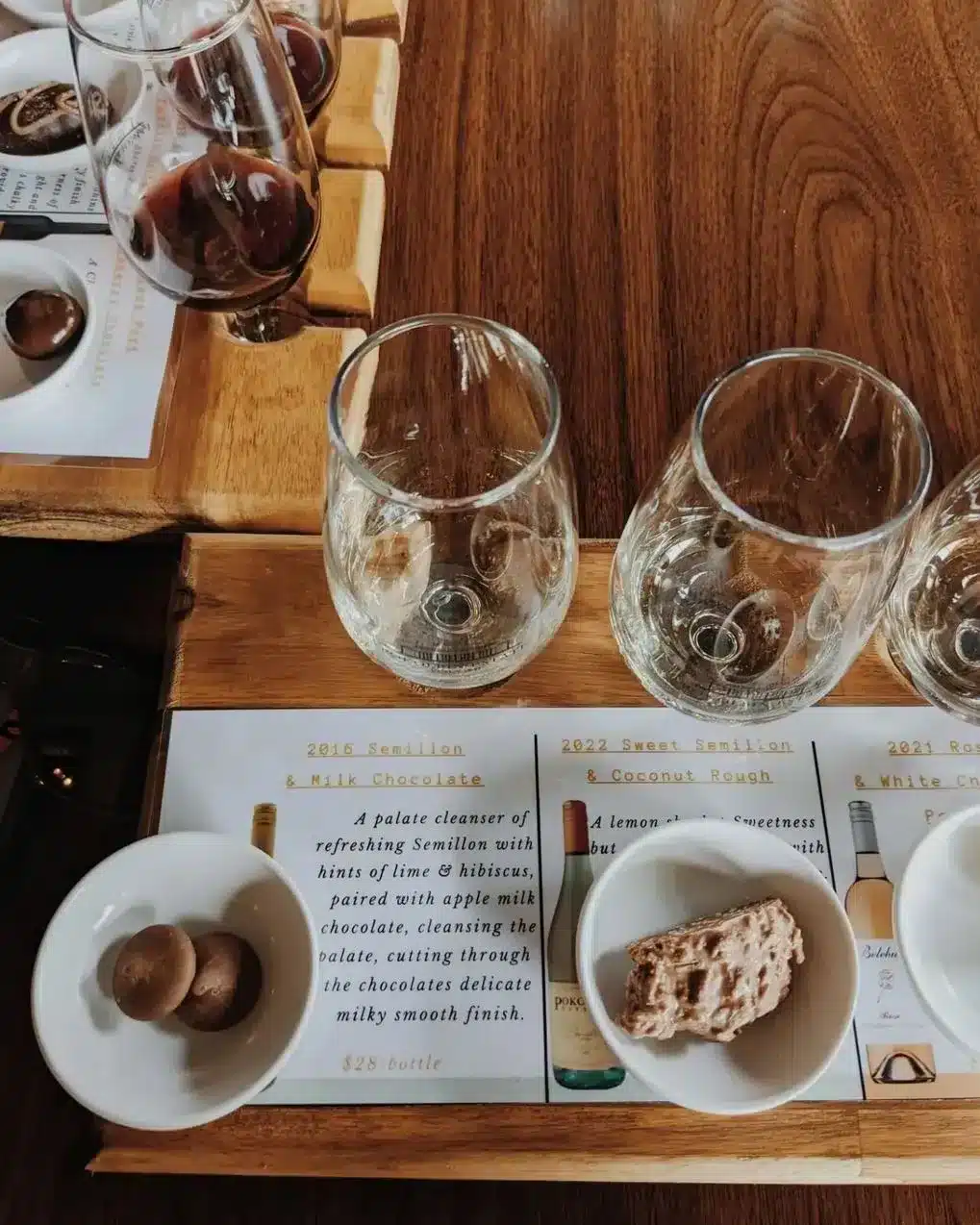
Paul’s Pick: Consistent Hunter Chardonnay Producers
(Not salesy — just solid, reliable drops.)
- Tyrrell’s
- Brokenwood
- Scarborough Wine Co
- McLeish Estate
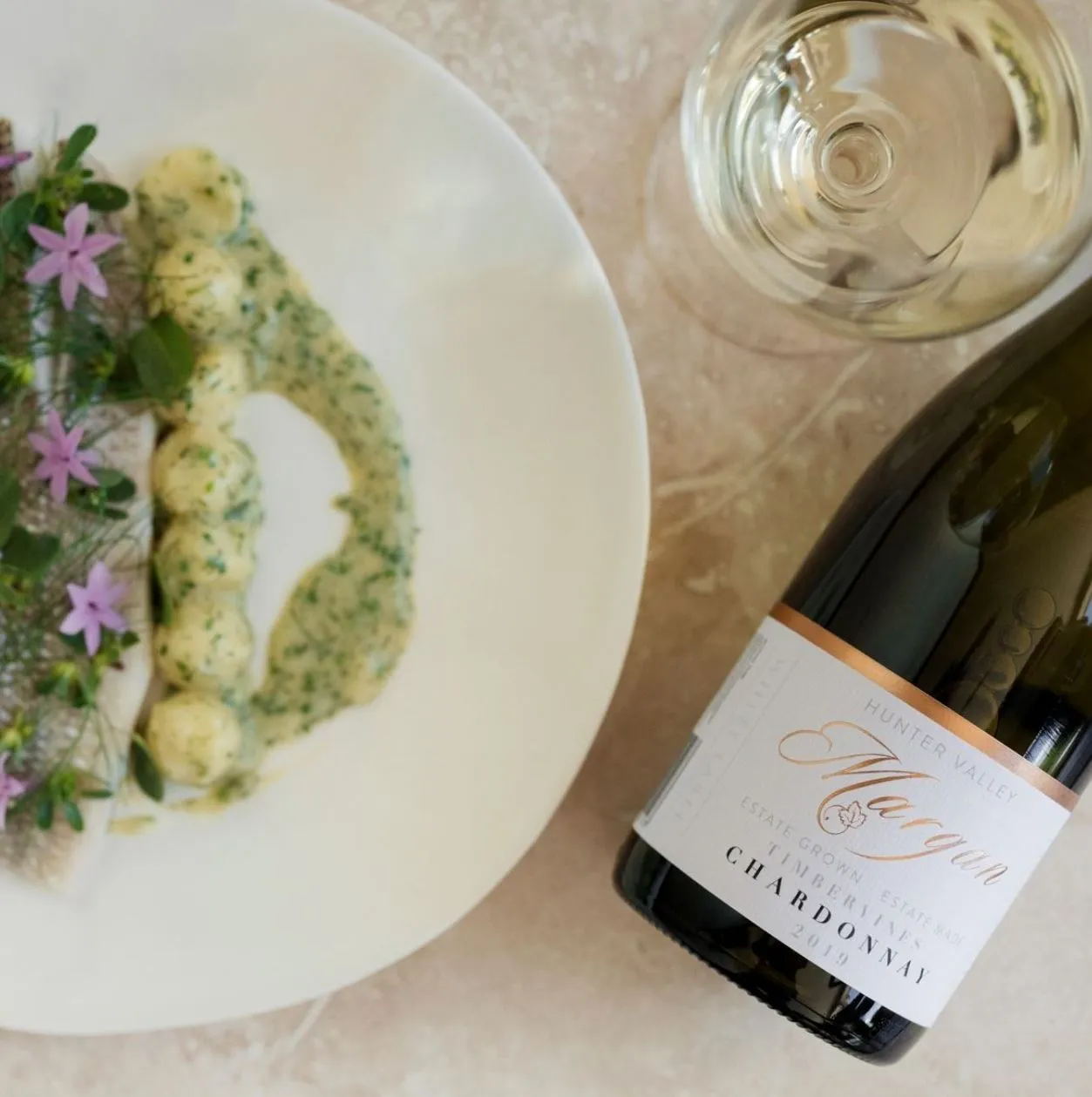
- Margan
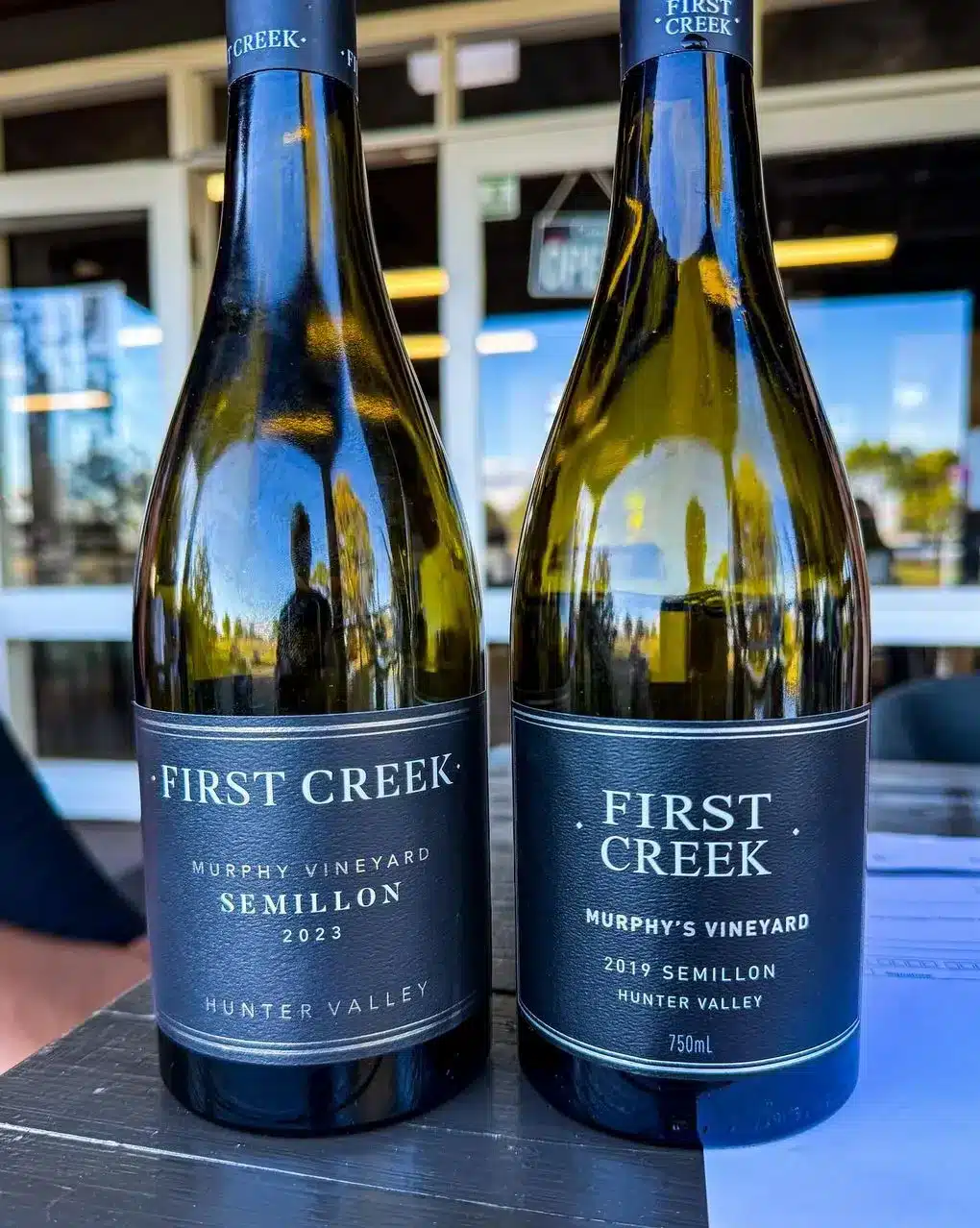
- First Creek
These producers deliver structured, expressive Chardonnays with regional character.
Food That Actually Pairs (Not the Silly Stuff)
Hunter Chardonnay is for real kitchens, not curated cookbook fantasies. The region’s soft acid, savoury line and white stone fruit make it super flexible.
Pairing That Hits the Mark
- Roast chicken with garlic and thyme
- Crispy pork cutlets — crunchy crackling loves oak spice
- Barramundi with lemon butter
- Grilled prawns from the tinnie
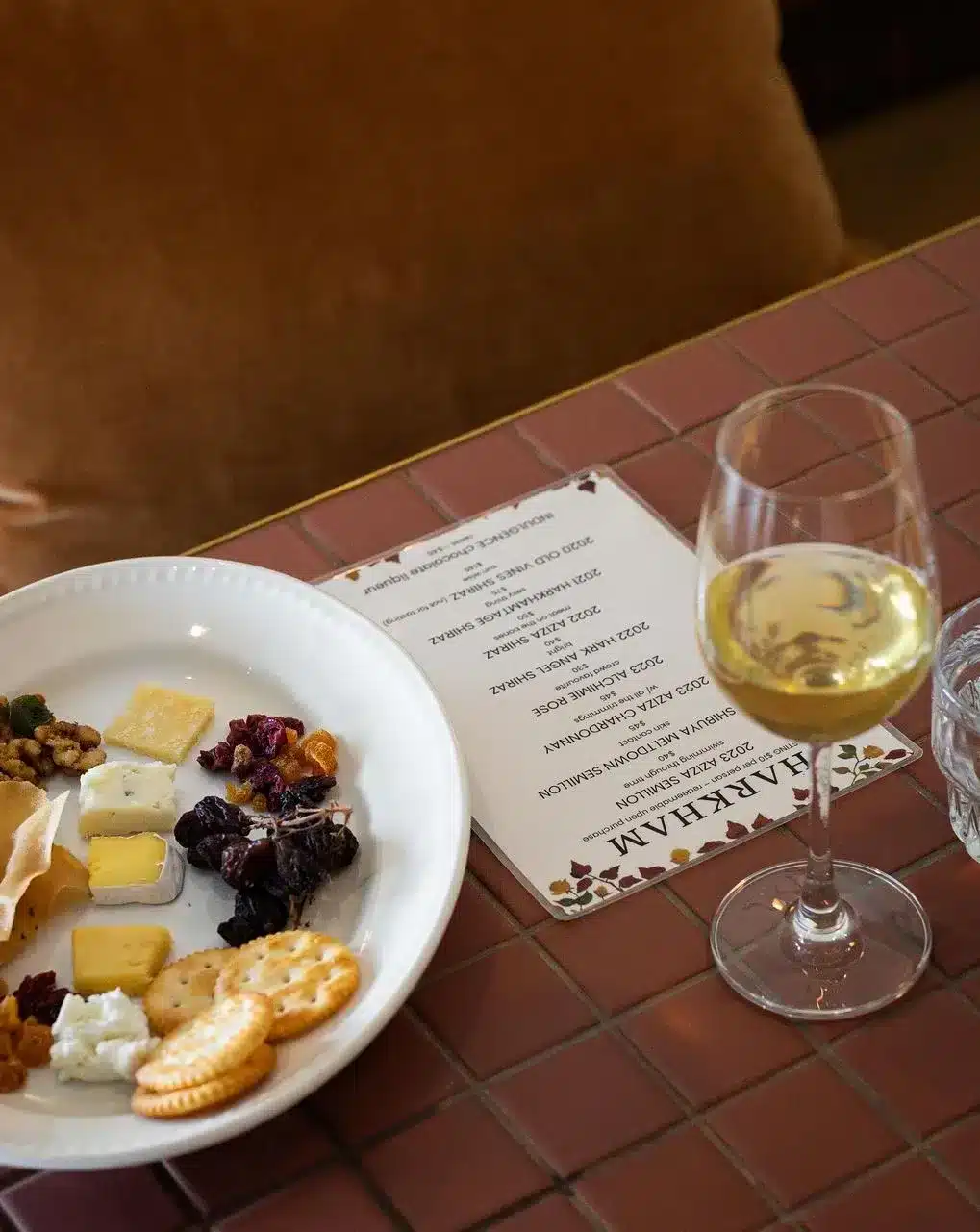
- Soft cheeses — brie, camembert, triple-cream
Left-Field Match: Peking Duck Pancakes
The sweet sauce + savoury wine = ridiculous harmony.
Food Match Tip
If you taste honeydew melon or tinned peaches, pair them with salty food — it balances beautifully.
Buying Tips So You Don’t Waste Your Dollars
Whether you’re in a retail store, Dan Murphy’s “Dan’s Daily” picks or scrolling Naked Wines, wondering about product availability, here’s how to avoid the dud bottles.
Smart Buying Rules
- Follow winemakers, not just labels
- Look for French oak, not American
- Wines with yeast lees, solids or malolactic fermentation
- Fruity descriptors alone = probably simple
- Avoid anything shouting “BUTTERY!” — it’s usually marketing
- Under $20? Expect drink-now freshness
A Real Moment
Years ago, I found myself wandering through a tiny family winery just outside Pokolbin. The rain had just rolled in – that sort of rain where the air is thick with the smell of broken eucalyptus and freshly turned earth. Inside the barrel room, the winemaker was rummaging through a young Chardonnay ageing in French oak barrels.
That one sip completely flipped my whole perception of the region on its head. While many people flock to a Yarra Valley wine tour for their Chardonnay fix, the Hunter offers a raw, honest profile that you just won’t find anywhere else. It’s the perfect contender for anyone comparing the top Australian wine regions.
FAQ
What does Hunter Valley Chardonnay actually taste like?
Expect white stone fruit on the palate, soft acid that doesn’t overpower, some really interesting savoury minerality, a bit of yeast-lees texture for good measure, and just a hint of gentle oak spice.
Is Hunter Chardonnay a good value for the money?
Absolutely – especially when you compare it to the likes of Yarra Valley or Margaret River. For the most part, it’s really good value across the $28 to $70 mark.
What are some of the good producers to try first?
If you’re starting out, you can’t go past the likes of Tyrrell’s Vat 47, Scarborough Yellow Label, Margan, Silkman Wines, First Creek and Vinden Wines.
Does Hunter Chardonnay age well, or is it a drink-now kind of thing?
It will age well, usually 5 to 12 years depending on how well the oak has been used, whether there’s enough solids in the wine and how the acid all hangs together.
Where can I get my hands on some good Hunter Chardonnay online?
Your best bets are probably Dan Murphy’s, Naked Wines, and the producers’ own websites. They usually have the biggest range and the best prices.