Narrow Neck Plateau
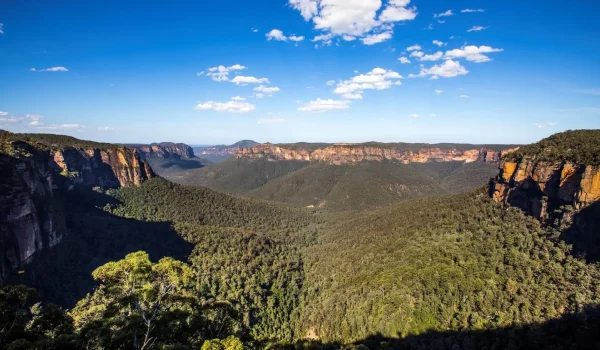
Getting onto Narrow Neck Plateau, Blue Mountains, in the morning always feels like opening the lid on a proper Blue Mountains adventure — wind in your face, Jamison Valley on one side, Megalong Valley on the other, and that long sandstone backbone daring you to keep walking. The plateau is raw and honest, shaped by weather, fire and time; none of that glossy visitor-centre fluff here. It’s just you, your pack and the ridge stretching out ahead like a story you’re about to write with your blistered heels.
I’ve walked this fire trail more times than I can count — school kids who’ve never worn proper hiking boots, mountain bike groups flying past in clouds of dust, old mates from the climbing crowd keen to scout rock faces and talk rebolting funds. The place doesn’t change much, but the weather sure does. Fog phenomena, gale-force valley winds, unexpected cold snaps — Narrow Neck has a habit of reminding you who’s in charge. And that’s half the fun.
Getting Your Bearings Along the Ridge
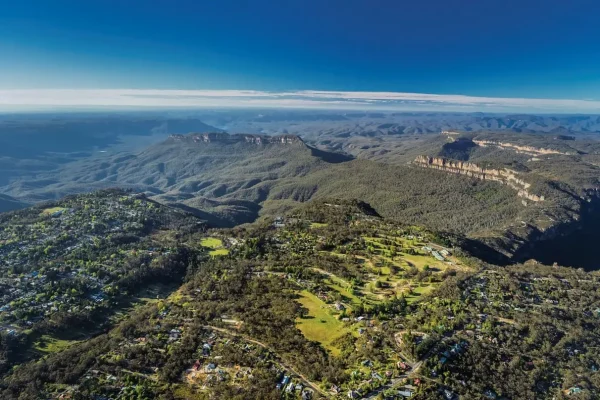
If you’re new to the plateau, picture this: a long sandstone peninsula running south from Katoomba, forming a natural divide between Jamison Valley and Megalong Valley. On the maps, it’s called the Narrow Neck Peninsula, but most locals just call it Narrow Neck. Simple, right? Well, simple until the fog rolls in and your GPS device pretends Glenraphael Drive doesn’t exist.
The main access starts at Glenraphael Drive (occasionally written Glenrafael Drive), not far from the Blue Mountains Heritage Centre. From the locked gate, a wide gravel track leads you along the spine. It’s technically a fire trail, but the scenery feels like you’re threading the line between worlds — Greater Blue Mountains Area on your left, Kanangra Wilderness far off to the right, and Mount Solitary standing like a sentinel across the Jamison.
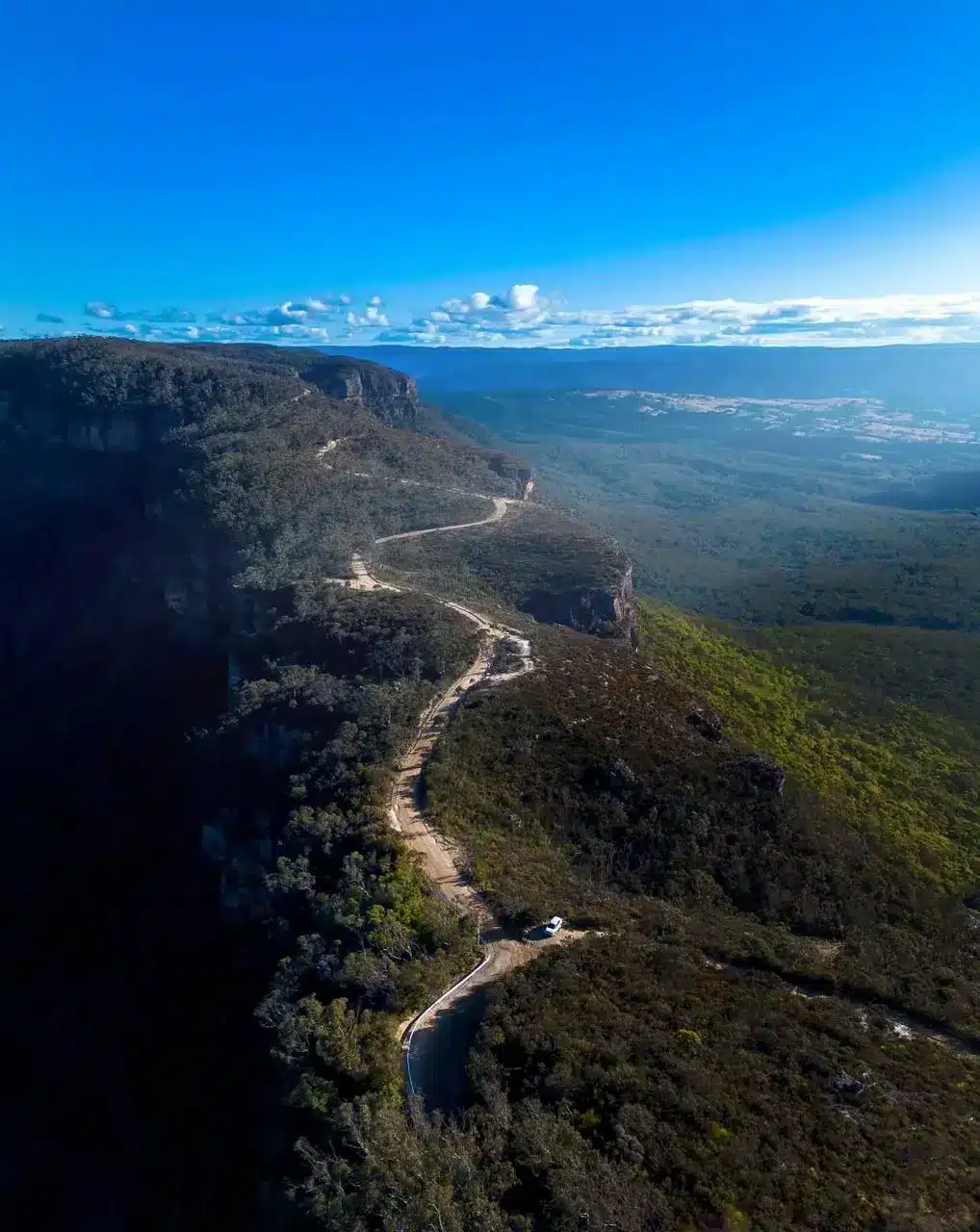
Map Snapshot: Key Ridge Features
Here’s a quick snapshot of distances and key points. These numbers are drawn from topographic map data, GPS logs and years of pacing it out with tired legs:
| Section | Approx. Distance | Notes |
|---|---|---|
| Locked Gate → Golden Stairs Junction | ~0.7 km | Quick warm-up; popular canyon access point. |
| Golden Stairs → Castle Head Lookout Turn-Off | ~3.4 km | Exposed ridgeline, immense Jamison Valley panoramas. |
| Castle Head Turn-Off → Clear Hill | ~6 km | Remote feel, spectacular rock formations. |
| Total Ridge (One-Way) | ~10 km | Fire tracks most of the way; rough patches and wind pockets. |
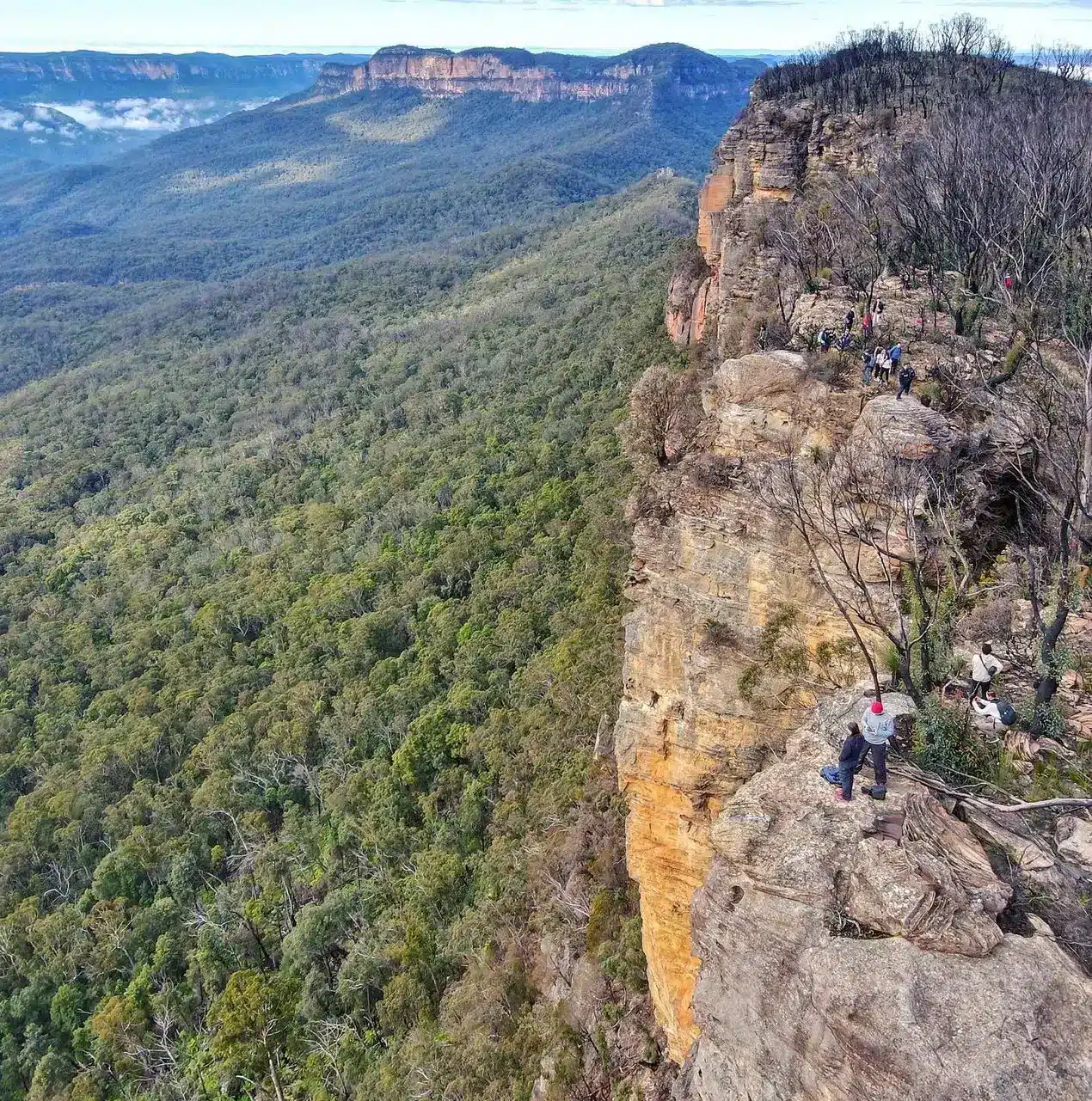
It’s not hard to navigate as long as you stick to the main fire trail. But if you start heading off towards cliffs or unsignposted spur tracks, you’ll want to know how to read a map like a pro – or at the very least, have a GPS loaded with a topographic map. And even then, you’ve got to be a bit wary – the edges of the plateau look flat on a map, but there’s some seriously steep drop-offs, especially near Castle Head Lookout and the viewpoints looking out over Cedar Creek Valley.
The vast ridges of Narrow Neck offer some of the best hiking in NSW, but if you’re a fan of these ancient sandstone landscapes, you’ll find a striking similarity further south in Victoria. While the Blue Mountains are iconic, a Grampians Tour takes you into a rugged wilderness famous for its jagged mountain peaks, spectacular waterfalls, and rich Aboriginal heritage. Whether you are trekking to the Pinnacle or exploring the Balconies, the Grampians provide that same raw, high-altitude energy that makes Narrow Neck so addictive for outdoor enthusiasts.
Exploring the Best Bits Without Getting Lost
Lots of people assume Narrow Neck is a doddle because it’s basically a single ridge. And technically, it’s true – you can only go forward or backward. But when it’s all foggy in the morning, and the plateau can get so muggy you can hardly see your hand in front of your face, you can easily miss turn-offs, stumble past features like Taros Ladder, or end up on management trails that look vaguely right but aren’t.
Here’s how to get the most out of the highlights without needing to call in the rescue choppers:
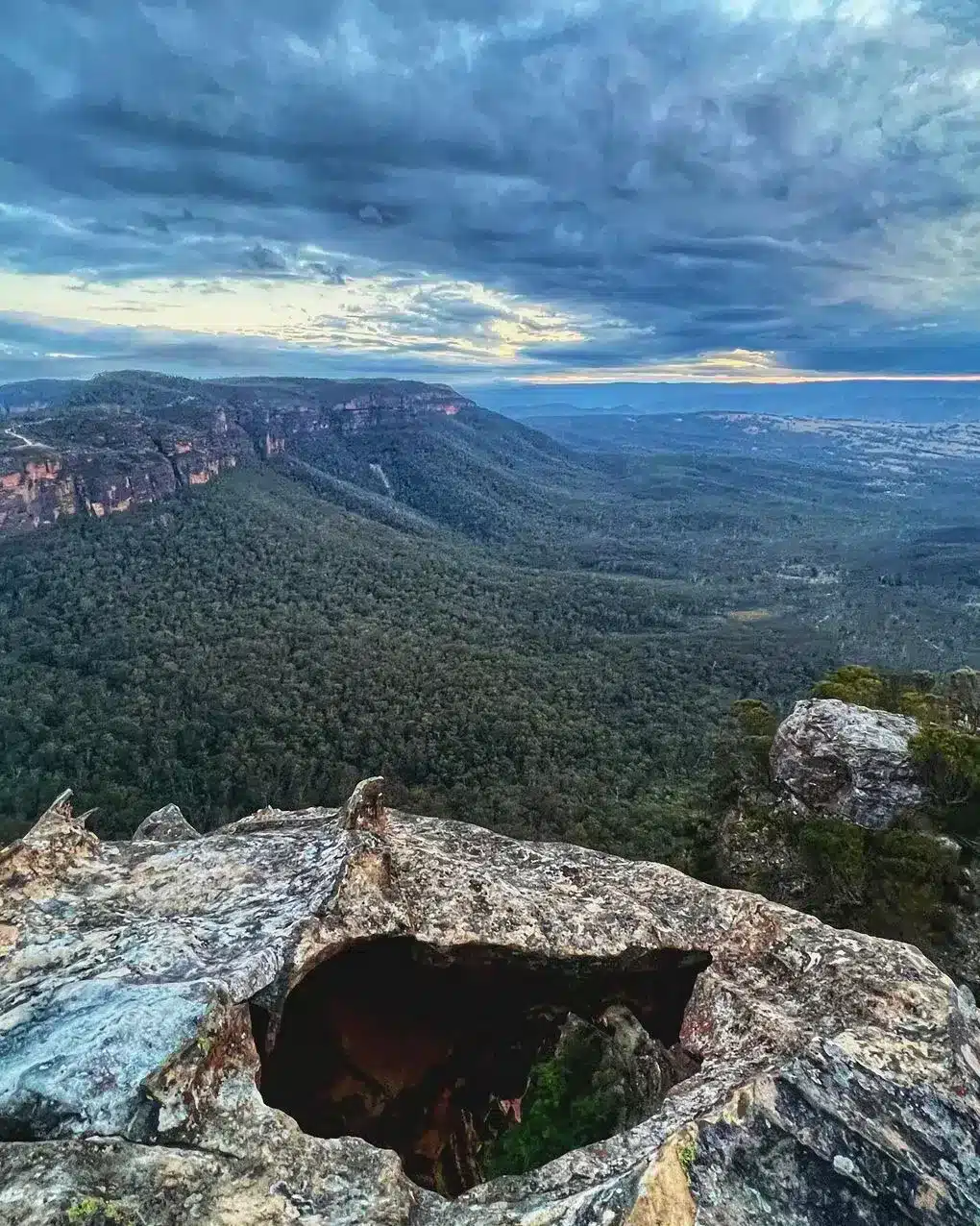
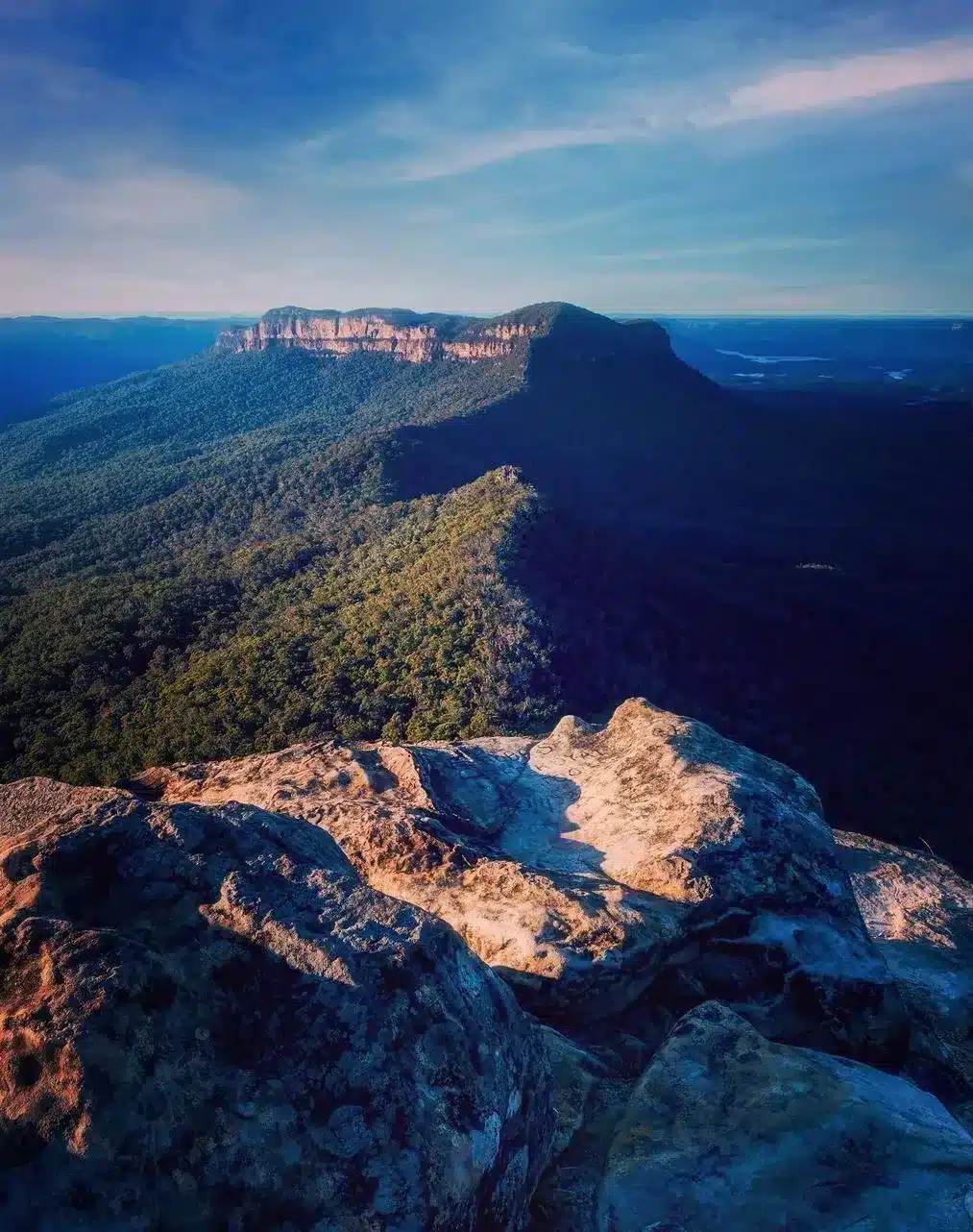
Castle Head Spur
This is one of those walks I recommend whenever we’ve got a Blue Mountains Tour day trip and someone asks for “a big view but without needing to climb a mountain”. The spur isn’t signposted, but the view from Castle Head Lookout of the Jamison Valley, Mount Solitary, and the Three Sisters over in Katoomba is just fantastic, and there’s a great rocky platform to grab a snack on.
Taros Ladder (for grown-ups only)
South of Clear Hill, Taros Ladder is a metal ladder going down into the Wild Dog Mountains – exposed and not to be taken lightly. Not the place to take the kids unless you fancy explaining to the cops why you tried to have your primary school-age kids dangling off a metal spike ladder.
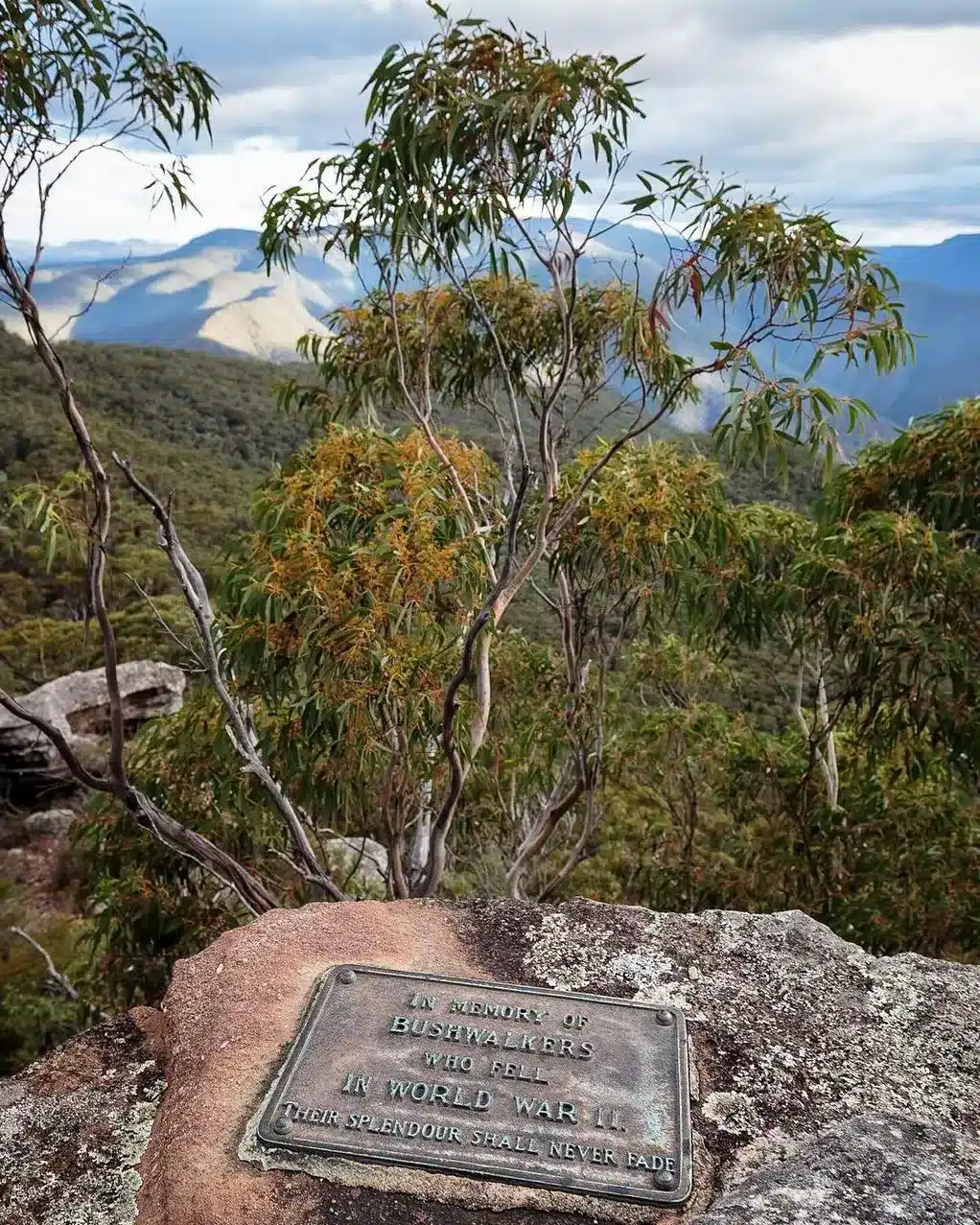
Clear Hill Lookouts
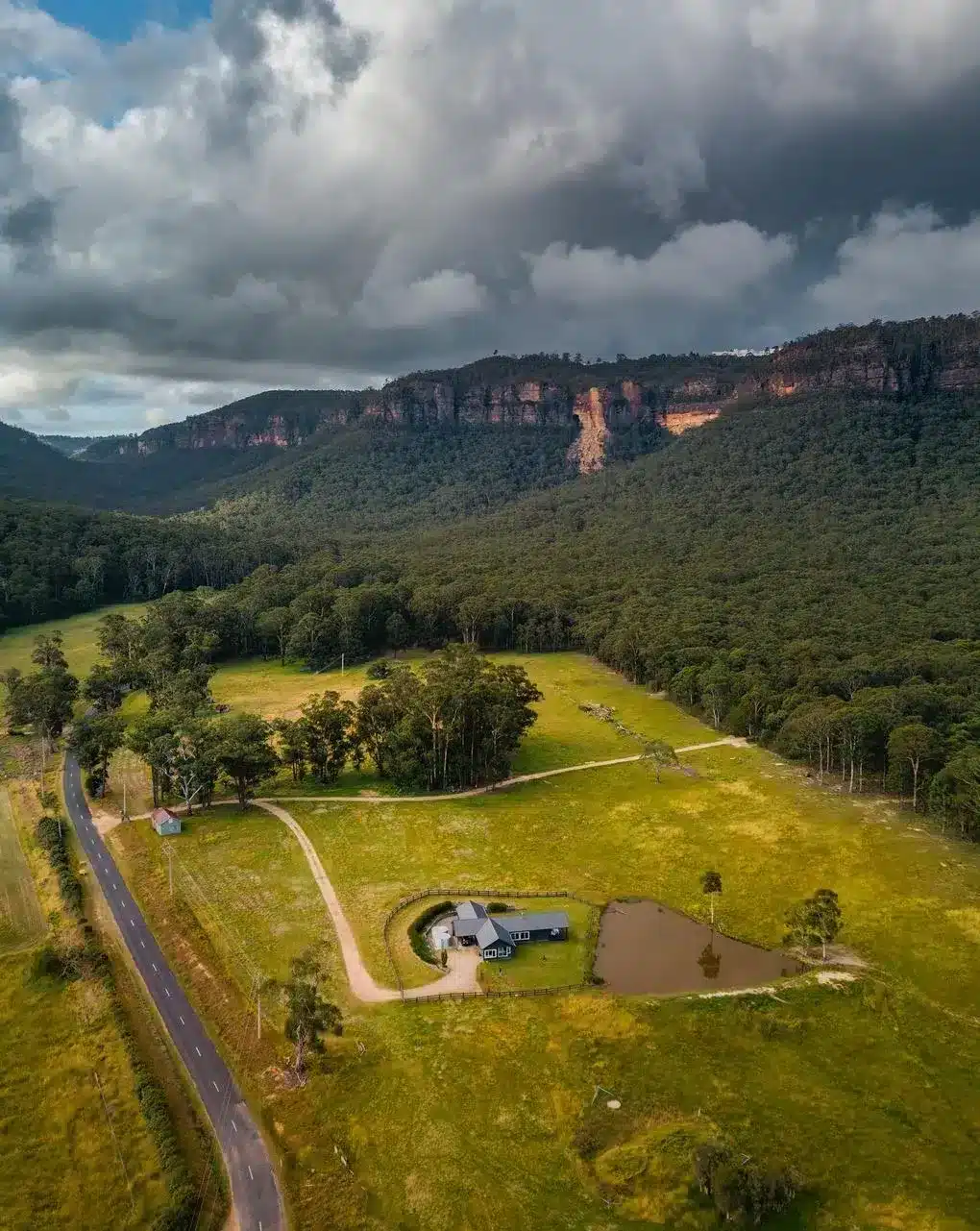
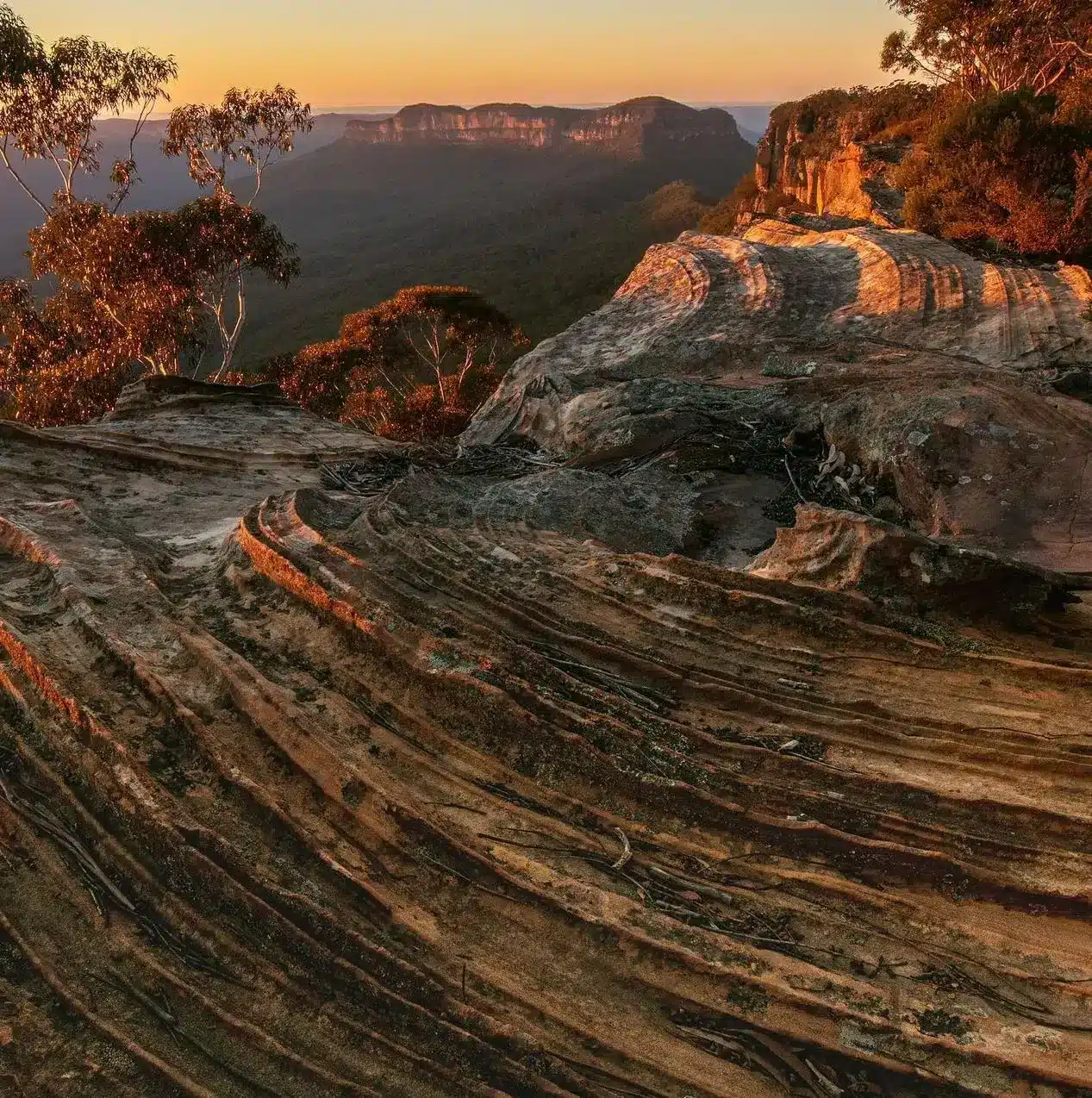
The end of the plateau – on a clear day, you can see right across the Megalong valley, all the way over to Kanangra Boyd. The sandstone rock formations here aren’t in the best condition, but they’re stunning in the late-afternoon light.
Local Tip:
If you hit a junction and aren’t sure which way to go, stick with the higher, more established trail. Trust me, the edges of the plateau are a long way down.
Seasonal Realities You’ll Need to Respect
If Narrow Neck had a sign at the gate, it would probably warn you that “the weather will do whatever it wants”, period.
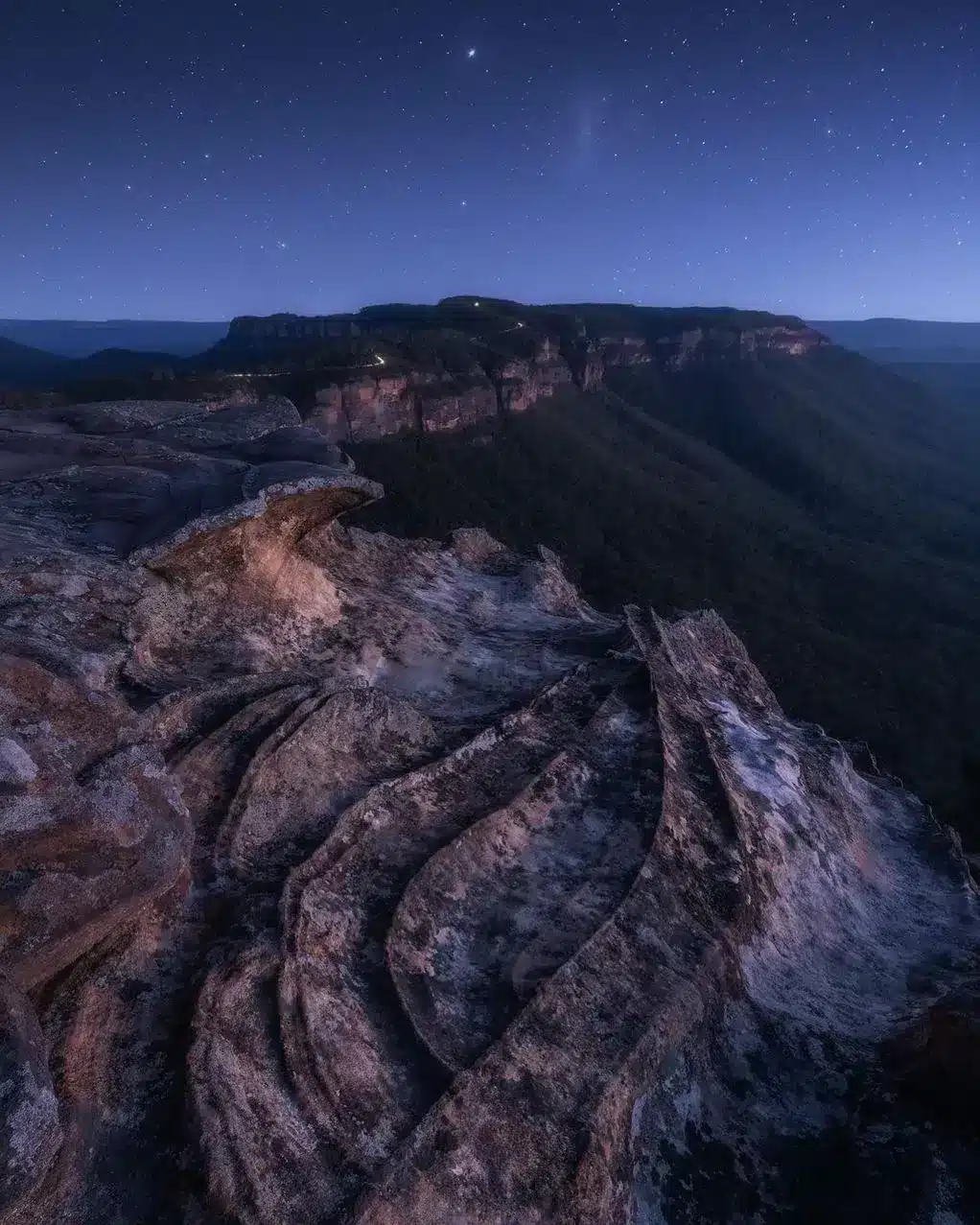
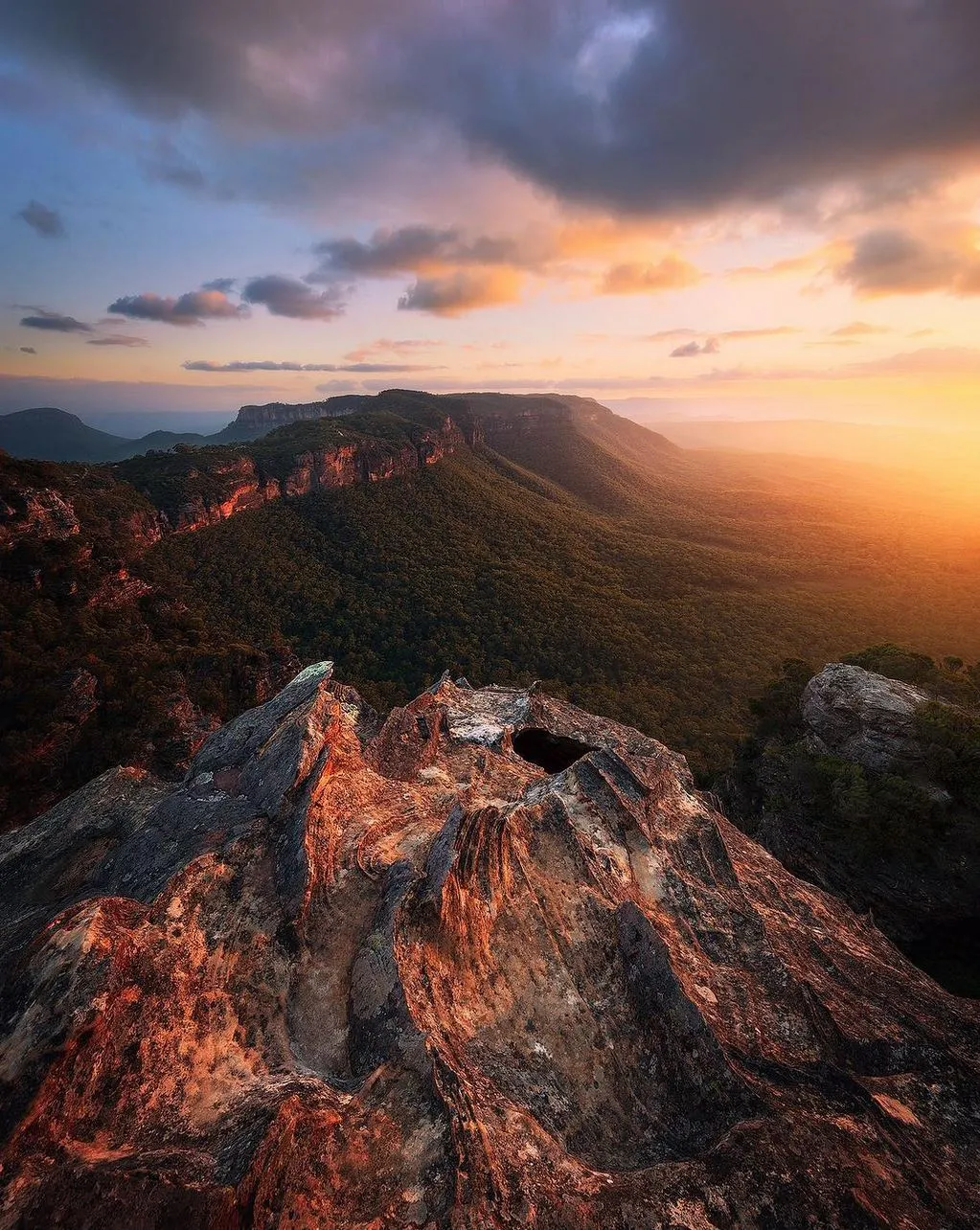
Summer - It's hot hot hot
This ridge has no shade, no respite – it’s just pure, unadulterated heat bouncing off the sandstone. You’ll want to carry at least 3 litres of water and treat the haze on the horizon as a warning, not some cool vibe.
Winter - Bring A Warm Jacket Or Freeze
Winter winds come howling up from Megalong Valley, sharpened to a point. I’ve been up here when my fingers went numb while holding a camera. Reality check: wear a beanie, some gloves, and windproof clothing, or you’ll freeze to the bone.
Spring - Banksia Blooming And Snakey
Fantastic time for photos, but do keep an eye out near the edges of the trail. The open forest and rocky ledges are perfect resting spots for snakes.
Autumn - The Quiet Season
Stable, crisp, clear – arguably the best season to walk the Narrow Neck Plateau trail.
Even Scenic World often looks clearer from the ridge this time of year, with the haze lifted and the Jamison Valley looking crisp enough to paint.
Map Snapshot: Key Ridge Features
You don’t have to head all the way out to Clear Hill to get your fix of this place – I’ve put together a pretty sweet half-day circuit over the years. Big views, not too long a distance, and none of that rigmarole with ropes.
Half Day Route (4-5 hours)
- Kick off at: The locked gate on Glenraphael Drive
- Head back to Castle Head Lookout
- Distance: around 12 km return
- Track type: Fire trail/fire road
- Why I reckon it works: Good valley views, dead easy to follow, plenty suitable for people who know what they’re doing
What You Can Expect To See
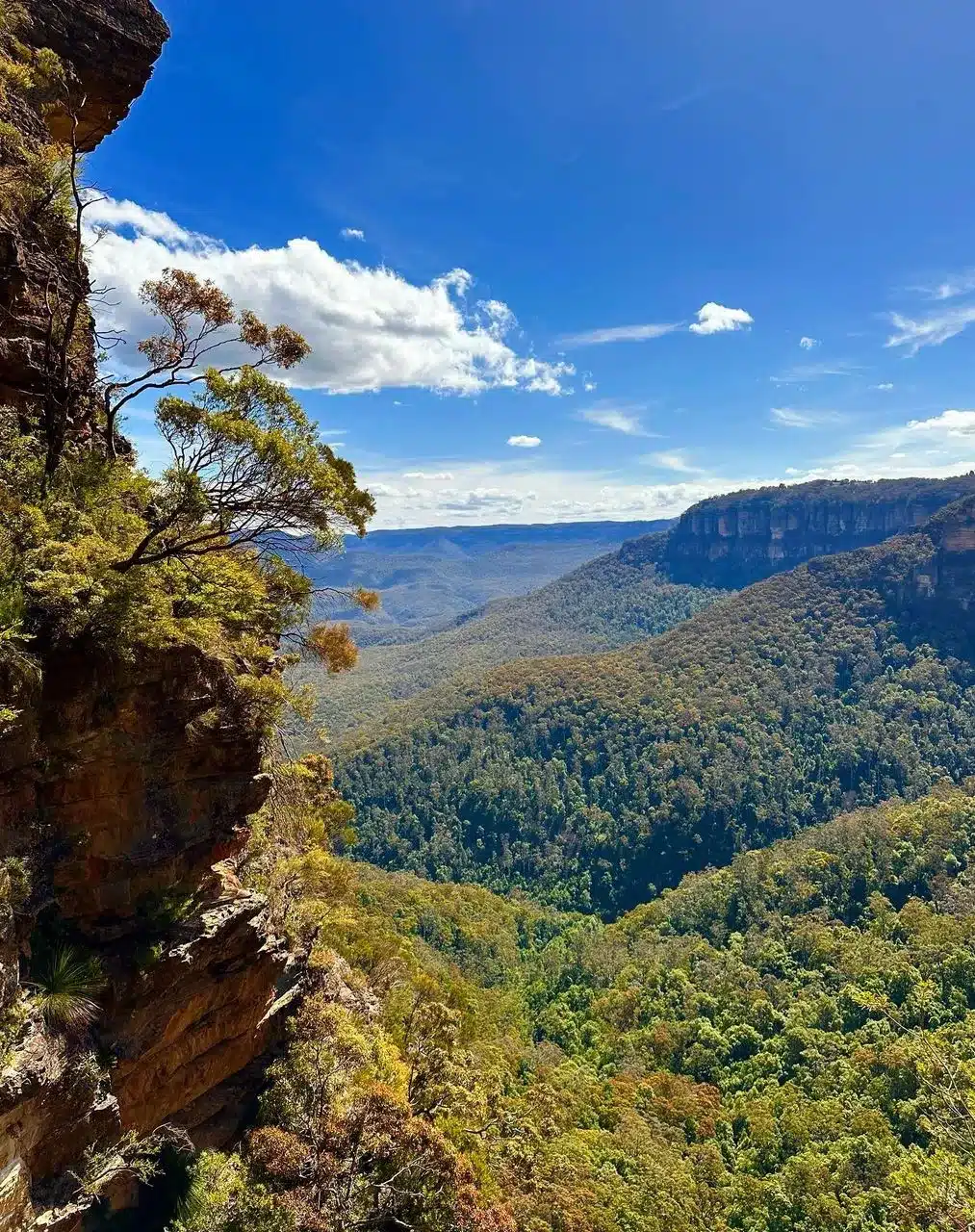
- Jamison Valley is laid out like a massive amphitheatre
- Mount Solitary basking in the sunlight
- open forest bits interspersed with sandstone outcrops
- cliff bases and sheer drop edges
- weathered rocks that are perfect for a snack break
- mountain bikes grinding up the hills with a fair bit of perseverance
And from time to time, if the wind hits the plateaus just right, you get this weird hum of air rushing past the cliff edges & it gives you the heebie-jeebies in a good way.
A Few Local Hacks I've Learnt Over The Years
After a fair few kays up here, you start compiling a mental list of tricks. Here are the most useful ones:
- Get Up Early – Light Is Better, And The Wind Is A Bit Calmer
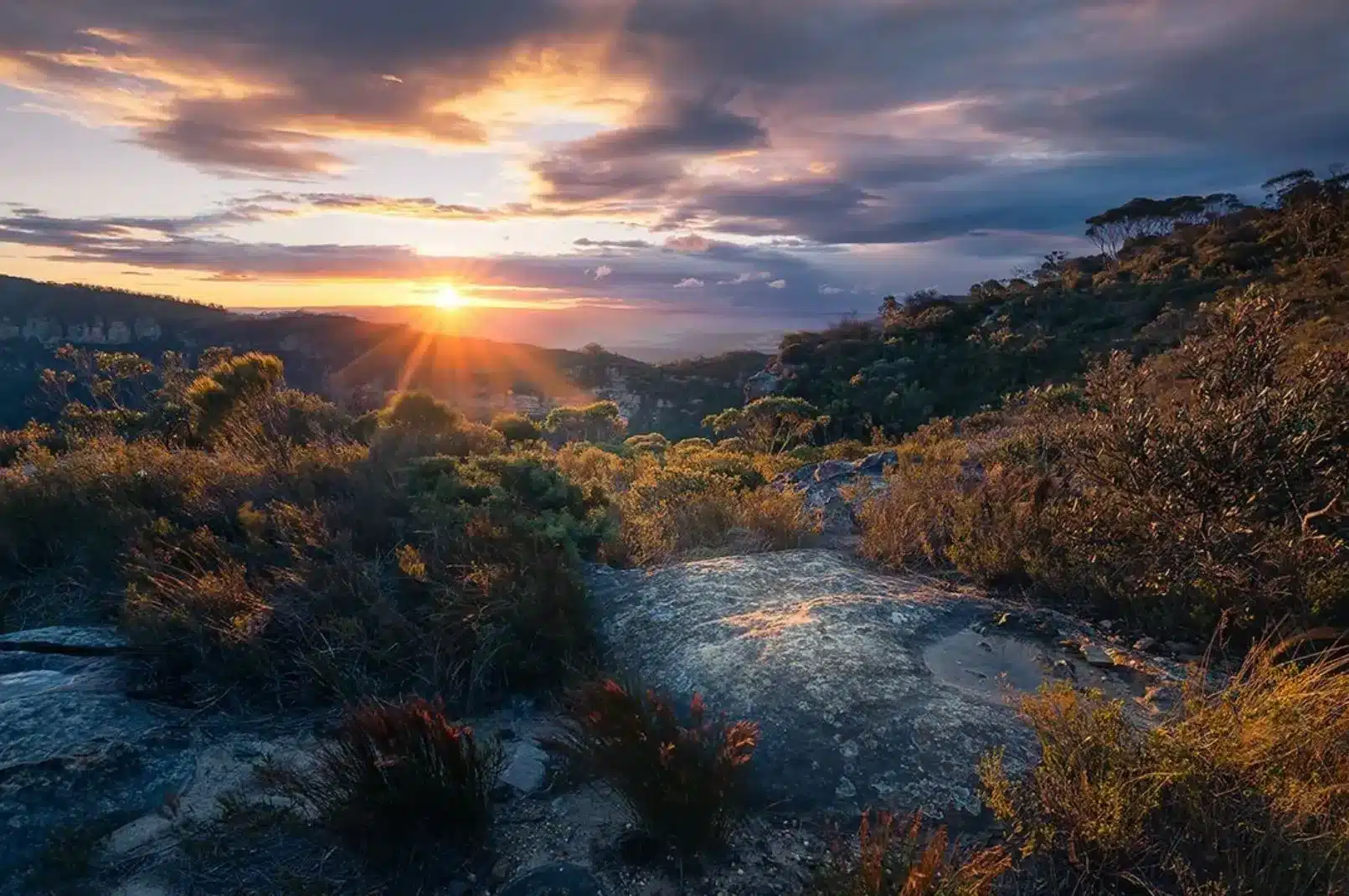
The heathland glows at sunrise, and the Greater Blue Mountains Area looks like it’s been washed clean. Plus, the car park fills up crazy quick on weekends. - Bring proper hiking boots
You don’t want to end up like one of the many poor souls who’ve lost a shoe on loose gravel, sharp rocks, and erosion. Solid boots are your friend. - Bring A GPS Device Or Get offline maps
The reception is patchy. A topographic map or something from Bush Trackers will be your best mate. - Check NPWS Alerts Before You Head Out
The National Parks Contact Centre and the Blue Mountains Heritage Centre both put up alerts. Fire danger, rockfalls, or temporary closures can shut down sections of the fire trail at a moment’s notice. - Show Some Respect To The Climbing Community
Parts of Narrow Neck are primary access routes for climbers. If you pass people lugging gear, understand they need safe anchors. The rebolting fund keeps old bolts safe, so treat those areas with some respect.
Safety Stuff
Narrow Neck looks harmless from a distance, but it’s still cliff country with plenty of ways to get yourself into a world of trouble.
- Keep back from sheer drop edges – the wind can go mental.
- Carve out enough water – especially in summer.
- Bring warm layers – winter wind can be a real cold-blower.
- Use your map reading skills – fog can appear out of nowhere in minutes.
- Keep the kids close – rocky platforms can crumble at the edges.
- Watch out for mountain bikes – they can appear out of nowhere on descents.
- Avoid wandering off track near cliff bases – loose soil and hidden cracks are a bad combo.
FAQ
Can Beginners Walk The Narrow Neck Trail?
Yeah – the main fire trail is suitable for confident beginners with a bit of fitness. Side tracks need more experience.
Can I Ride A Mountain Bike On The Plateau?
You bet – it’s a popular out-and-back ride with some tough climbs and sweet views.
Do I Need A Topographic Map?
Yes. A GPS or topo map is recommended, especially if fog rolls in.
Where Are The Best Photo Opportunities?
Castle Head Lookout, rocky platforms along the ridge, and viewpoints overlooking Mount Solitary.