Is It Expensive To Visit Uluru? A Realistic Budget Breakdown From The Red Centre
Is Uluru expensive to visit? Honestly, the answer is yes, it can be a bit pricey. But if you get your head around how the Red Centre works, you can keep costs in check and still have a fantastic time. Most travellers end up shelling out between $1,200 to $2,500 AUD per person for a short stay, depending on how they get there and when.
I’ve been running Uluru trips for years now, and I’ve seen the same pattern play out every time: people who do their homework and plan ahead spend less and have a better time. On the other hand, those who wing it tend to get stung with last-minute price hikes, miss out on key experiences, and are left wondering where all their cash went
Why Uluru Feels So Darn Expensive
Uluru is situated deep in the Northern Territory, inside Uluru-Kata Tjuta National Park. And let’s be honest, getting everything from fuel to building materials in there is no easy feat – it all has to be trucked in from a long way away. That’s the real reason why prices seem so steep – it’s not because someone’s trying to rip you off with a luxury experience
Once you arrive at Ayers Rock Resort, you’ll notice how everything is pretty much contained within a single hub, with accommodation, dining and services all right there. It’s super convenient, but it can also limit competition – and that’s where costs tend to creep up
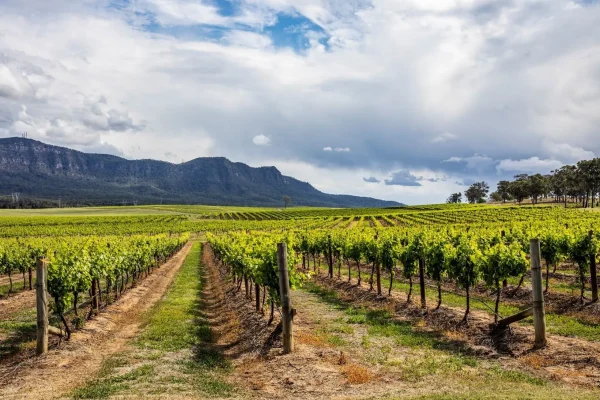
They introduced locals to Belgian couverture chocolate, laying the foundation for what we now call chocolate-based excellence. By blending European know-how with regional produce like Australian dried fruits and distilled pure fruit oils, they’ve become a staple of the Hunter’s gourmet food scene.
Where Your Budget Really Starts To Move
Flights are usually going to be your biggest upfront expense, and they’re also the easiest place to either save a bundle or blow it all on unnecessary extras
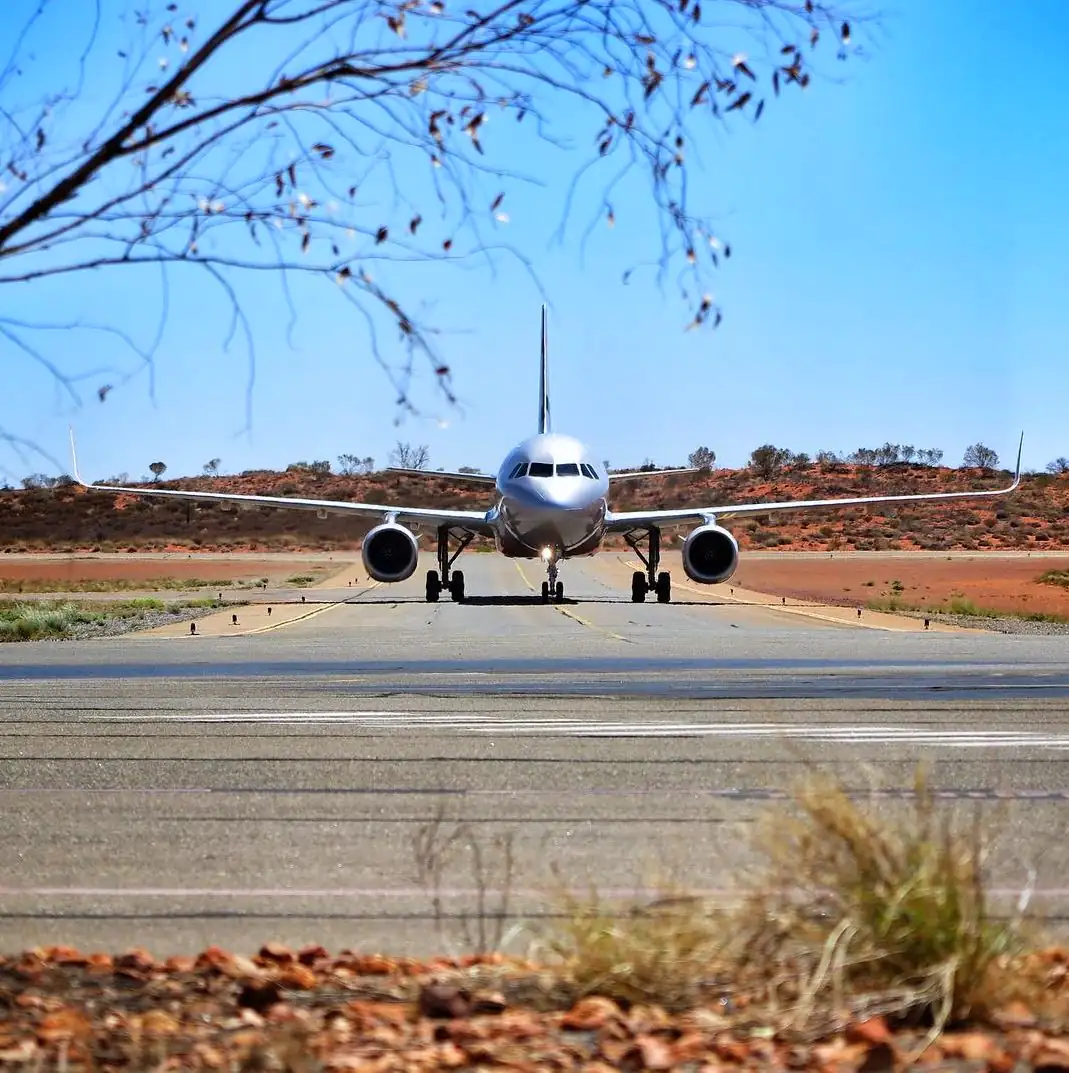
Most people fly into Ayers Rock Airport. Return flights are usually between $400 and $900 AUD, depending on the time of year and how far in advance you book. Coming into Alice Springs might look more affordable on paper, but you’ll have to factor in the 450km drive each way, which is where people often underestimate the costs of fuel and fatigue – I’ve been on that drive plenty of times, and trust me, it’s long and flat and will put you to sleep
You’ll need to decide between airport transfers or a car rental once you land. Transfers are easy enough, but a bit inflexible. Hiring a car will give you a lot more freedom – especially for those sunrise and sunset shots – but be prepared to pay around $100-$180 AUD per day for the car, plus fuel at those outback prices.
Accommodation
Let’s face it, staying near Uluru is not cheap. But once you understand how the accommodation works, you can at least get a handle on what to expect.
| Stay Type | Example Options | Nightly Cost (AUD) | Reality |
|---|---|---|---|
| Budget camping | Ayres Rock Camp Ground | $25–$50 | Basic but best value |
| Budget lodge | Outback Lodge / Outback Hotel & Lodge | $120–$220 | Social, no frills |
| Mid-range | Desert Gardens Hotel / Desert Garden Hotel | $300–$500 | Comfortable and practical |
| Premium | Sails in the Desert | $700–$1,500+ | High-end, still desert conditions |
Expectation vs Reality: I’ve got travellers checking in at those top-end stays expecting to be right on the beach with all the trimmings. But here’s the truth – you’re still in the middle of the desert – and let me tell you, the heat, the dust and the flies don’t give a hoot how much you paid for your fancy hotel
If you’re going to be doing a bunch of trips up to Uluru or you’re a regular traveller, then camping is where it’s at for value. You’ll save a small fortune and still get all the experience you want

Food Costs: A Sneaky Budget Buster
Food prices up here are all about getting the goods from where they need to be – not about making sure they taste good.
A simple meal might set you back $15-$25 AUD, a mid-range meal in a restaurant will be around $30-$60 AUD & if you’re feeling fancy and want to go to somewhere like Tali Wiru or Ilkari Restaurant, be prepared for a bill of $150 + per head
The smart travellers all know that there is an IGA in Uluru, and users of it know it’s a real lifesaver. I usually recommend doing some self-catering for at least half your meals. It ain’t the most glamorous option, but it saves a lot of cash.
The trouble is a lot of people just eat out every meal, and before you know it, you’ve quietly added a few hundred to your trip
Park Fees And Access: Keep Things In Perspective
You can’t even get near Uluru unless you’ve got a Park Pass or a National Park Pass.
- $38 AUD will get you in for 3 days
- Free for anyone under 18
With that pass, you get to see the whole park – Uluru, Kata Tjuta and the cultural centre – & the park is run in partnership with the Anangu people. Climbing on Uluru is off-limits due to the Anangu people’s culture being way more important than any tourist’s wish to climb it
You can’t just write this off as an optional extra – it’s a big part of actually understanding where you are

Experiences: Worth Paying Out For
You don’t need to book every single one, but a few experiences will really add value.
| Experience | Cost (AUD) | Real Timing | Worth It? |
|---|---|---|---|
| Uluru Base Walk | Free | 3–4 hrs (winter), 2–3 hrs (summer) | Essential |
| Valley of the Winds | Free | 2–4 hrs depending on pace | Best walk in the area |
| Walpa Gorge | Free | 45–60 mins | Easier option |
| Field of Light | $45–$100 | Evening | Nice but optional |
| Camel tours | $80–$150 | 1–2 hrs | Fun, a bit touristy |
| Scenic helicopter flight | $150–$400 | 15–30 mins | Great perspective |
Real timing really does matter here. In the summer months, you’ll need to get the Uluru Base Walk underway at sunrise or even a bit earlier. If you wait too long its going to get way too hot for comfort by late morning. I’ve seen plenty of people cut their walk short because they under-estimated just how scorching this place can get.

One Day At Uluru: What To Prioritise
If you’re only going to have one day here, don’t even think about trying to cram everything in. Concentrate on the must-dos.
Start your day before the sun rises at Talinguru Nyakunytjaku, then try to get a decent chunk of the Uluru Base Walk under your belt while it’s still cool enough. Take a break from the direct sun in the middle of the day, then head back out to take in the sunset. That is just the best use of your time & effort in the circumstances.
Thinking of trying to fit in Kata Tjuta too? That’s probably where most people go wrong – they end up rushing around instead of actually experiencing anything.
What Most People Get Wrong
Years of watching the comings and goings of tourists have shown me a few patterns that recur. People often downplay just how exhausting the heat can be, particularly in the wet season. Then there are the ones who assume that because it looks close on the map, the distances aren’t really that far. They are.
Another thing: travellers often overbook their tours, cramming far too many activities into their itineraries. It’s no surprise they don’t have time to actually soak up the place. Companies like Pinnacles Tours see the same thing time & time again, although if people were to slow down & simplify their plans, they’d probably really enjoy Uluru.
Safety, Conditions & What To Be Realistically Aware Of
You have to show some respect for this place. Don’t be scared of it, just be aware of the risks.
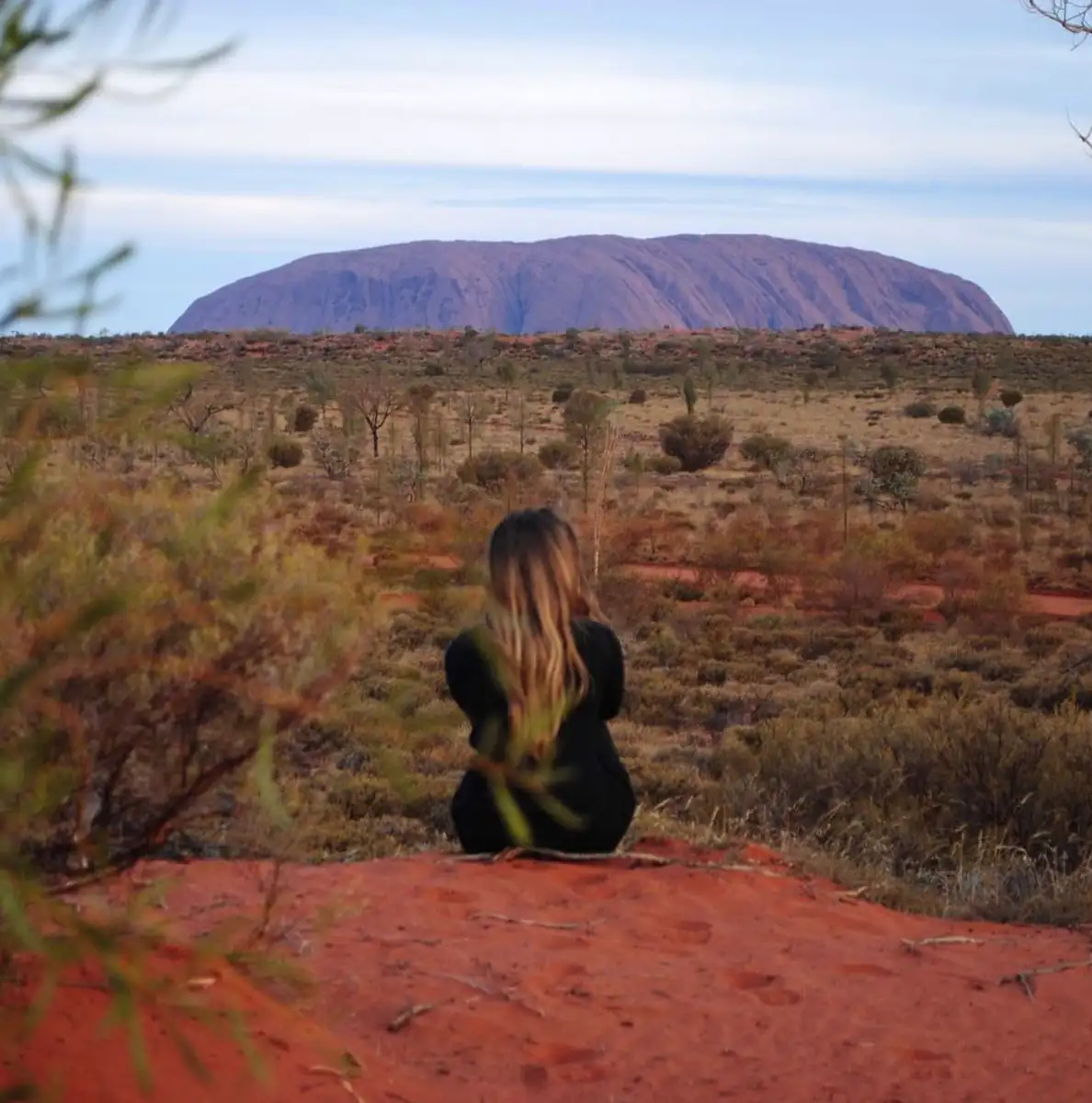
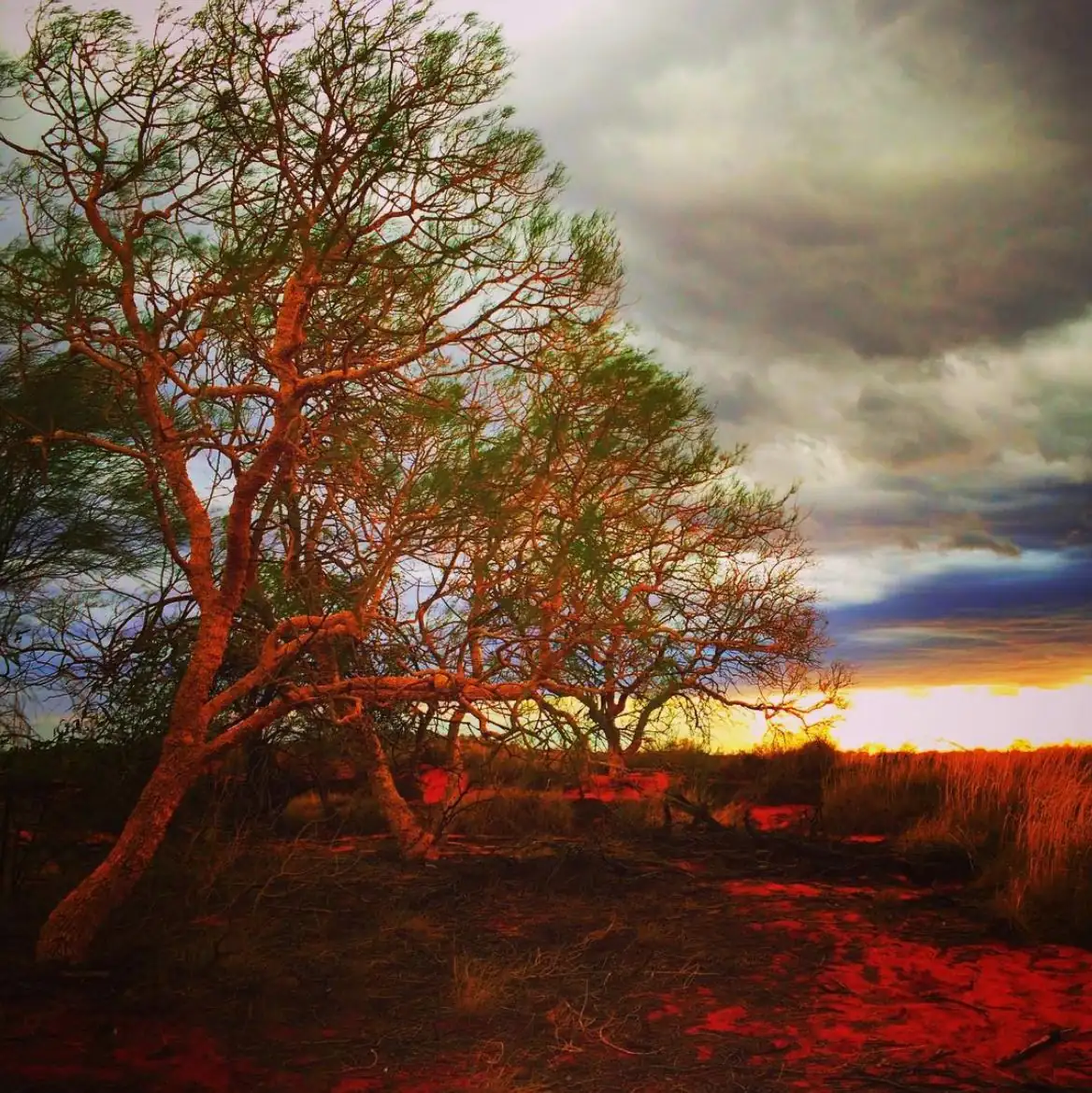
Heat is the biggest worry here. In summer, it regularly gets up over 40°C, and the walks can get a bit of a challenge. Be sure to bring proper walking shoes, at least 2 – 3 litres of water per person, and make an early start.
Places like the Valley of the Winds are uneven and exposed, which is manageable for most people, but not ideal for those with limited mobility or poor fitness. If that sounds like you, then there are shorter & more forgiving alternatives like Walpa Gorge.
Whose Trip Will Suit
Uluru is just the right sort of place for people who are okay with early mornings, hot weather, and open landscapes. If you enjoy nature, cultural experiences and a more relaxed pace, then you’ll get a lot out of it.
If, on the other hand, you’re the sort of person chasing after nightlife, non-stop entertainment or mild weather all year round, then this place probably isn’t for you. It’s raw, quiet and at times pretty tough – and that’s exactly what makes people love it.
Final Thoughts from Paul - Don't Overspend, Be Smart
Uluru ain’t cheap – but let’s be honest, it’s not meant to be. Your cash isn’t covering just the basics – it’s buying you access to something that’s genuinely special.
The people who get the most out of their Uluru experience aren’t the ones throwing cash around. They’re the ones who’ve done their research, know what they’re getting themselves into, and take the time to really soak it all in.
I’ve seen it time after time while running Uluru trips – and it’s exactly how useful travel advice should work: helping people make decent choices based on what really works, rather than just making wild guesses.
FAQ
Is Uluru more expensive than other Aussie tourist spots?
It is – you’re paying a premium for the whole remote location and limited facilities thing.
Can you visit Uluru on a tight budget?
Absolutely – roughing it at a campsite, cooking your own meals, and not breaking the bank with every single experience can keep things pretty manageable.
How much should I expect to spend on food per day?
Around $50- $80 Aussie a day if you’re splitting groceries with a sneaky meal out now and then.
Is renting a car worth it?
Yeah, if you want the freedom to get up for sunrise, stick around for sunset, and just generally explore on your own terms.
What's the most common budgeting blunder?
Booking everything at the last minute – especially flights and accommodation when the peak season rolls around.