Jumping Crocodile Cruise vs Traditional Boat Safari: Which Is Better?
Jumping Crocodile Cruise vs Traditional Boat Safari – Which One Will Give You the Adventure of a Lifetime? If you’re after a guaranteed action-packed time with crocs launching themselves straight out of the water right into your face, then you need to book a Jumping Crocodile Cruise tour on the Adelaide River. But if you’ve got the time to really take it all in, are patient and genuinely interested in more than just the wildlife’s teeth, a traditional safari through Kakadu National Park is a much better bet in the long run.
Hi, I’m Paul – I’ve spent years running both styles of crocodile tour across the Northern Territory, driven the Arnhem Highway more times than I can count and watched plenty of tourists walk out of the day either grinning from ear to ear or quietly kicking themselves for not doing things differently. It’s really all down to what you’re after.
What Actually Goes On On Each Tour
You’d think both experiences are just about the same – crocodile cruises after all, but trust me, they’re really built for two completely different types of people. One is all about getting your adrenaline pumping, the other is all about getting a deeper understanding of the wild.
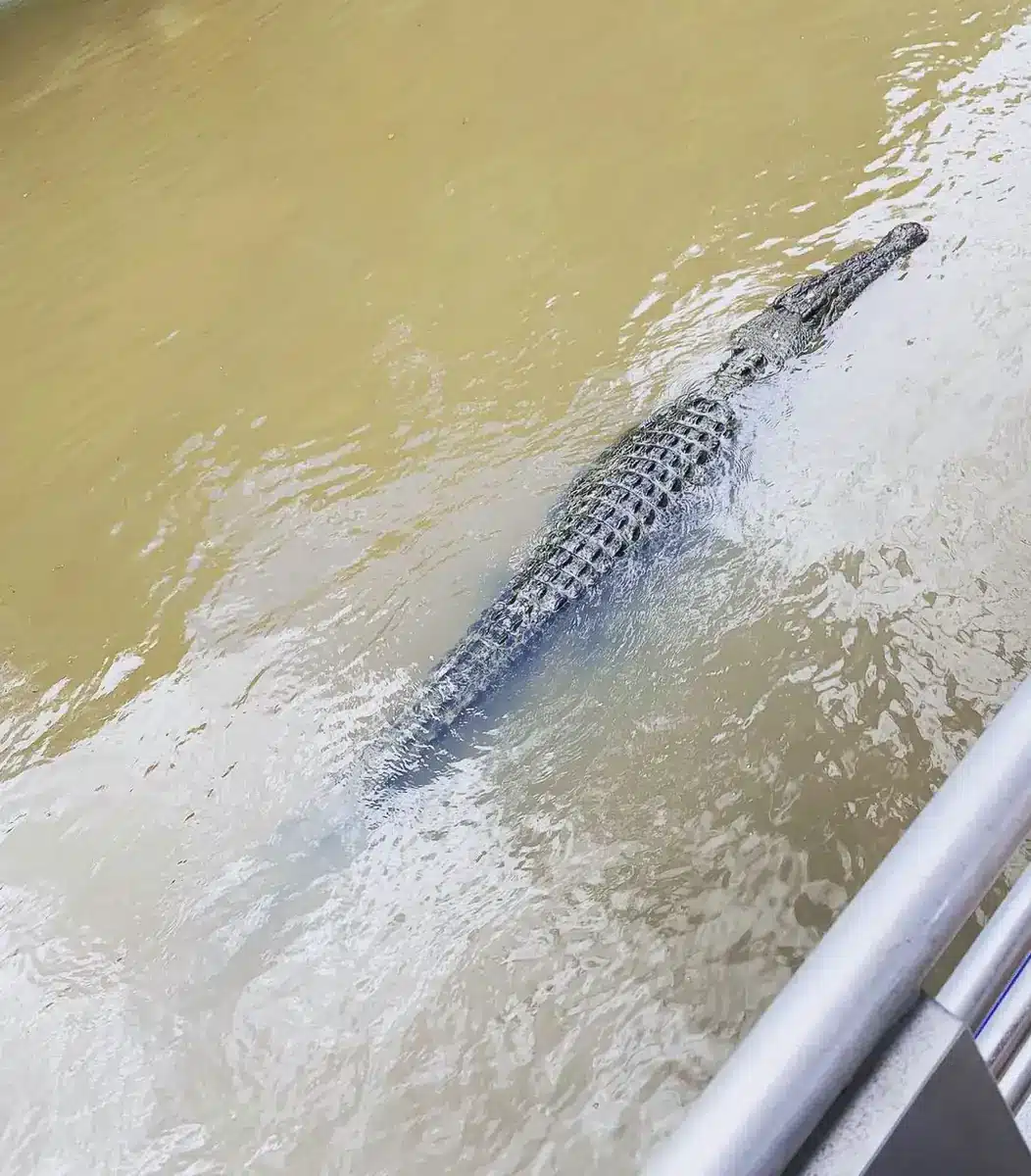
The High-Octane Option: Getting Up Close And Personal With A Crocodile
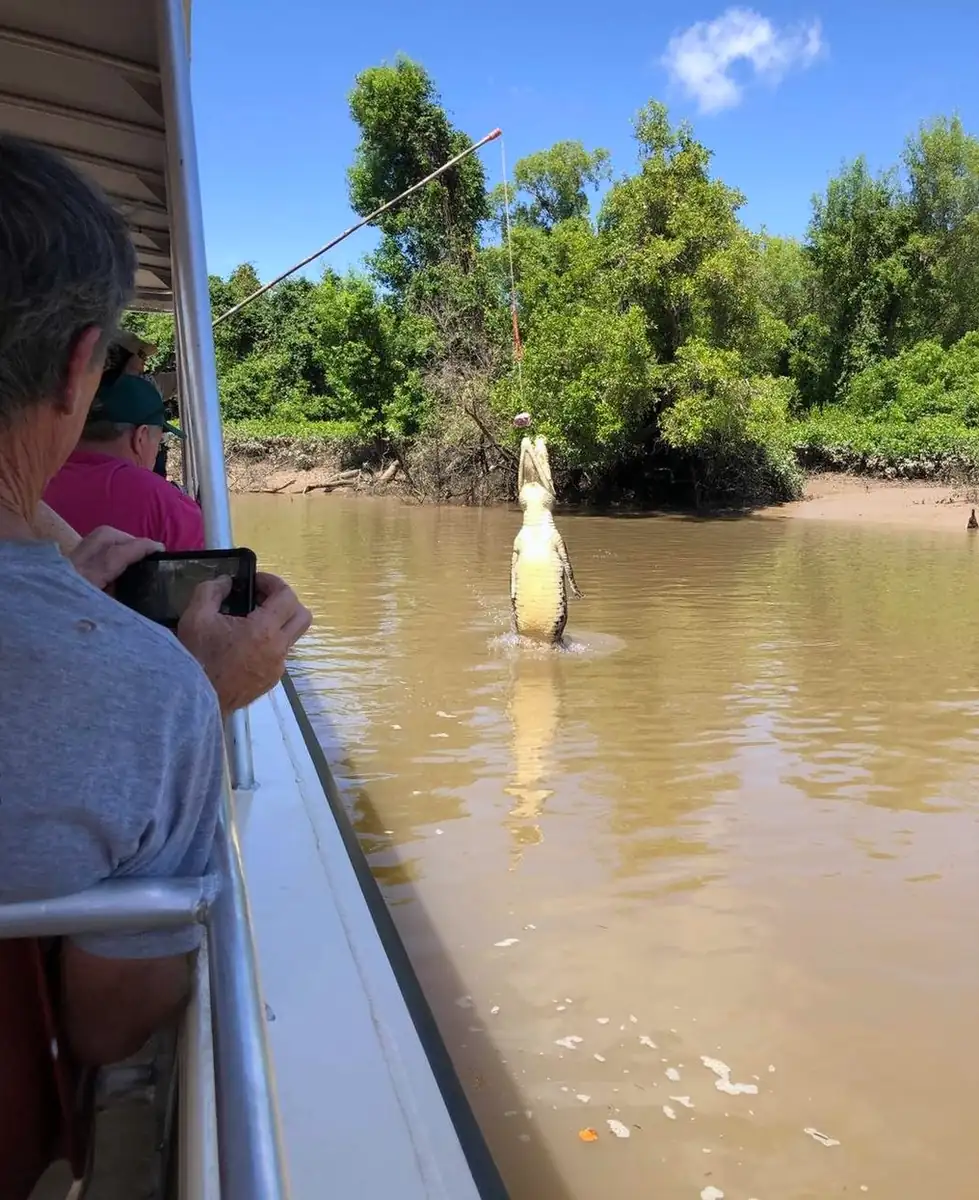
A Jumping Crocodile Cruise tour is the kind of trip that you just can’t help but get swept up in. It’s go-go-go from the minute the trip starts – you’ll be rolling out of Darwin, motoring across the floodplains and pulling up alongside some basic jetty or ramp along the Adelaide River on a custom-made boat with stadium-style seating so everyone gets a clear view.
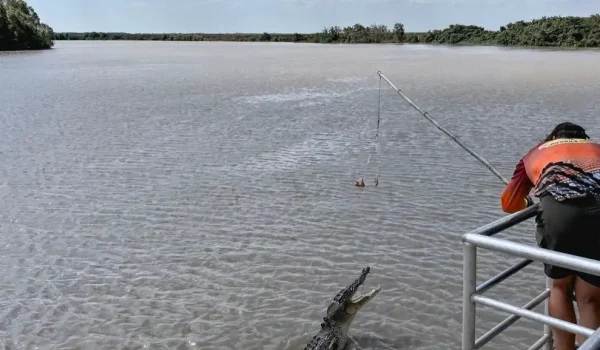
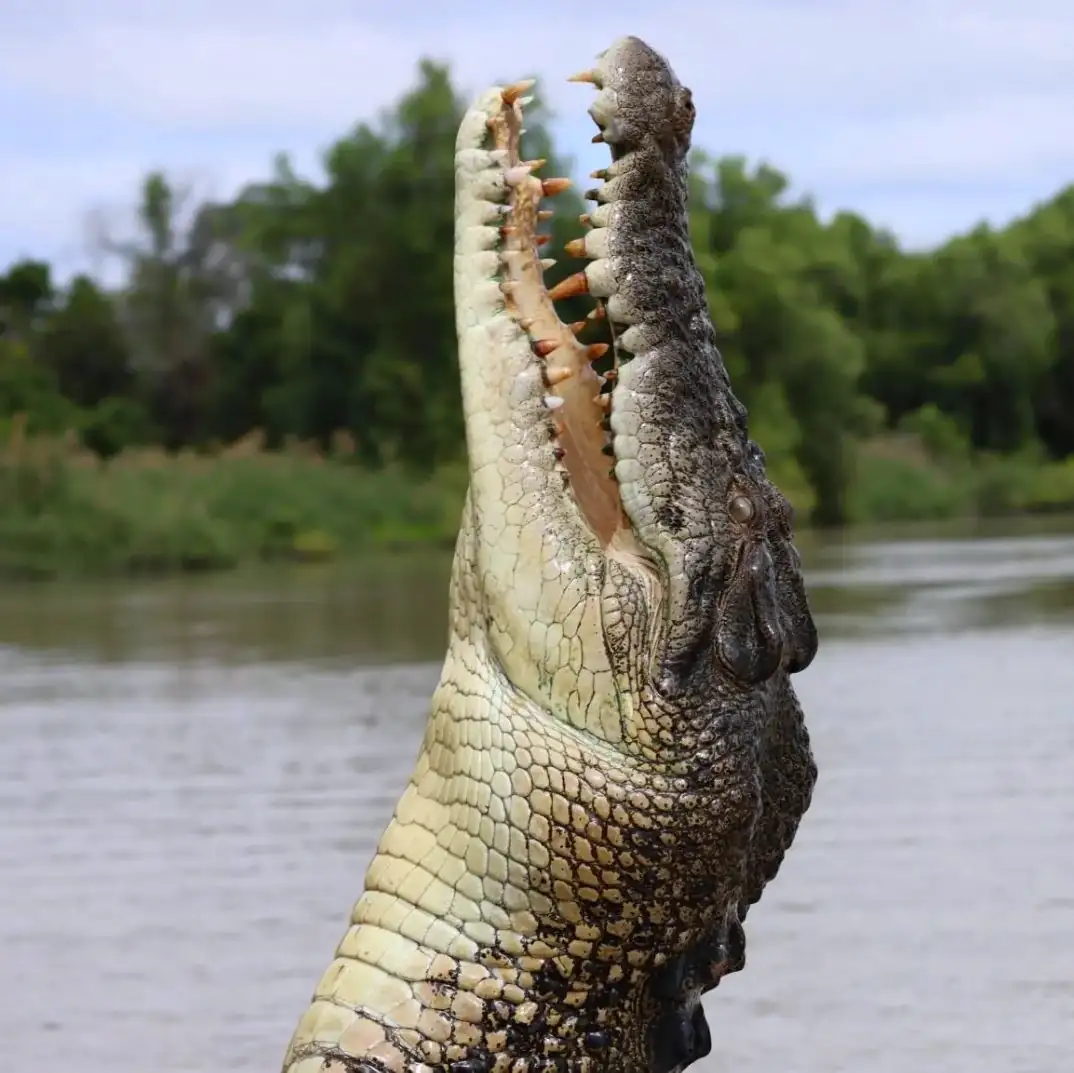
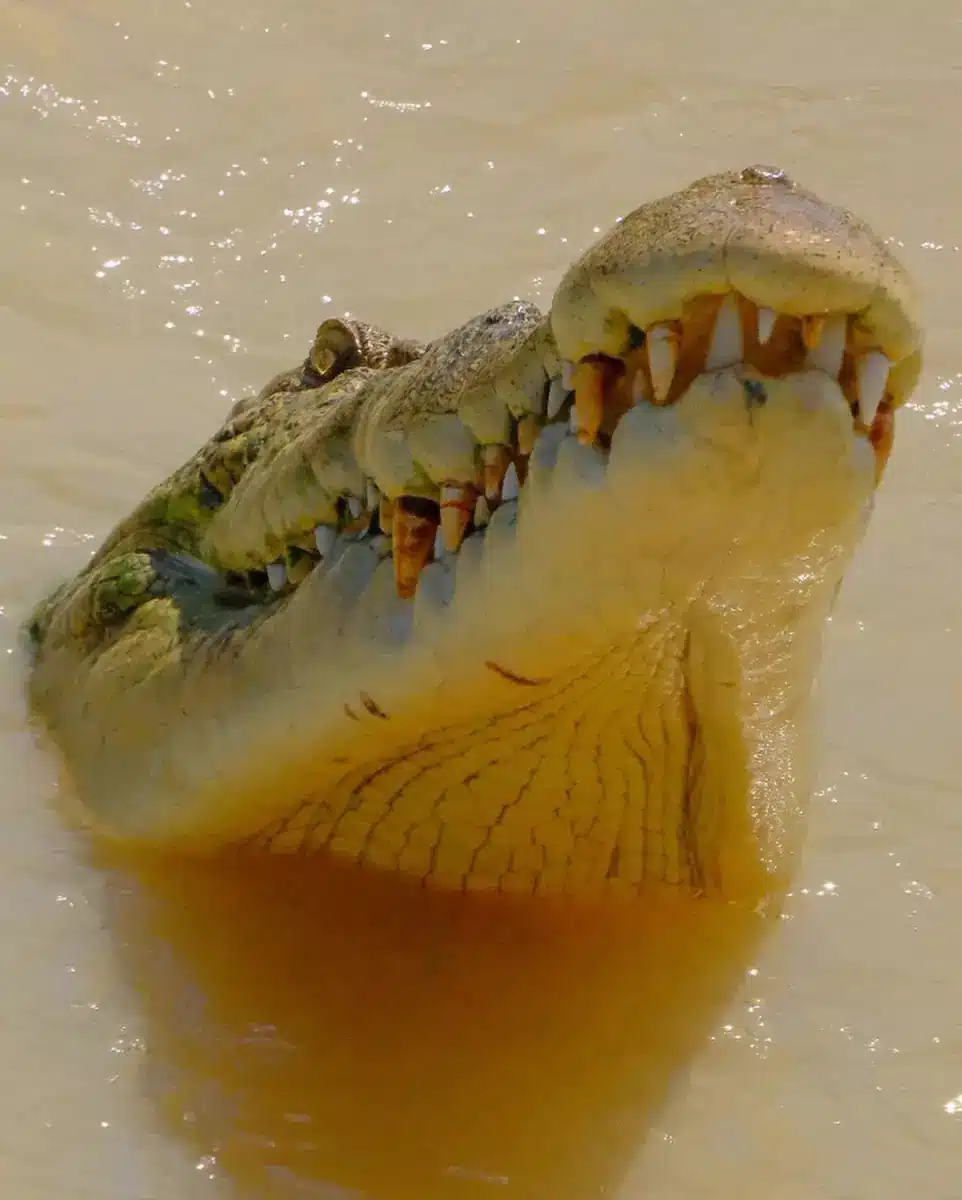
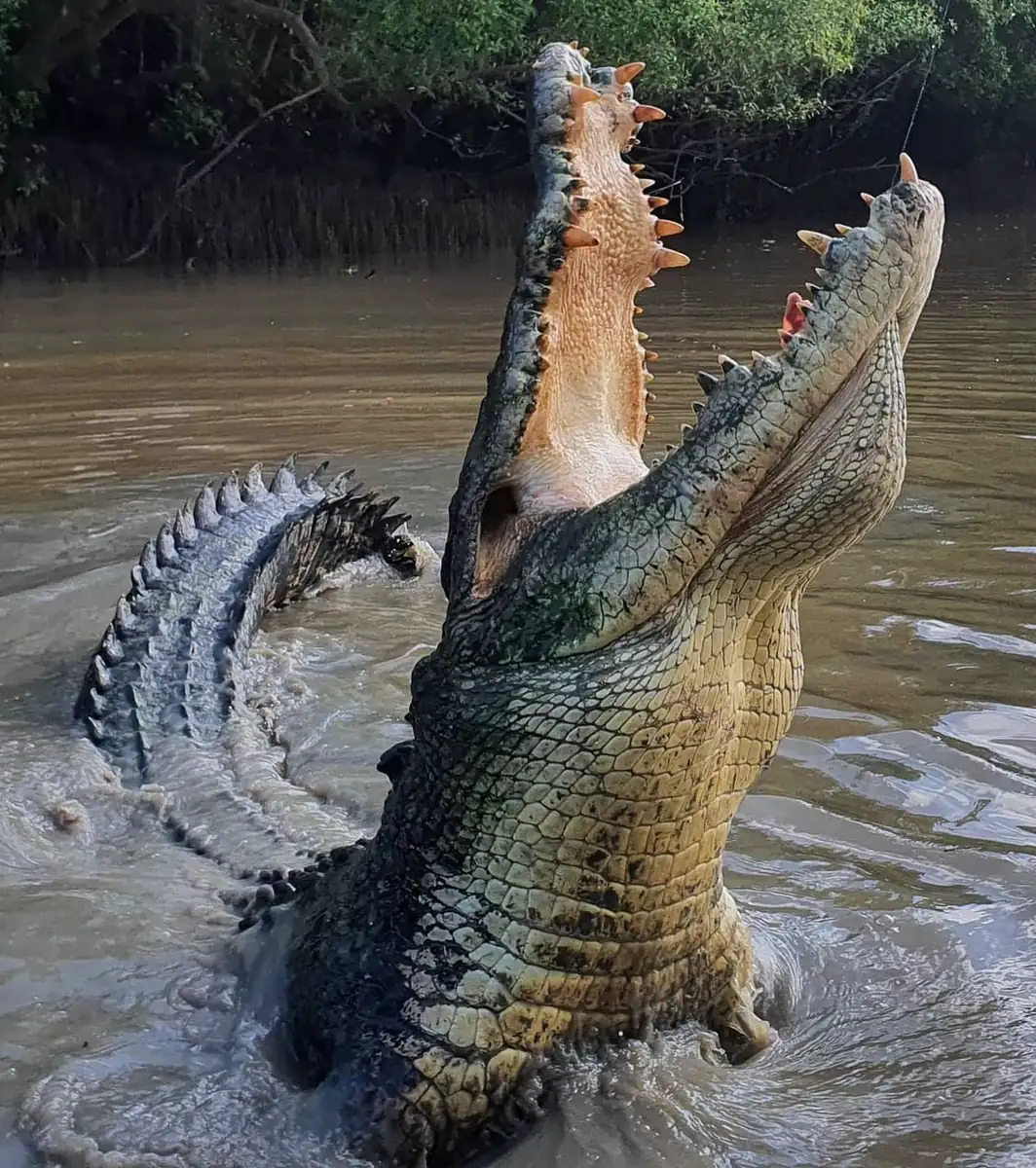
And before you know it, a crocodile is swimming around. The guide drops in some bait & before you know it, the crocodile has just jumped clear out of the water. It’s loud, it’s wild & it’s all over in about 60 seconds.
The bit that tends to catch people out, though, is the fact that there is literally no warm-up period – it starts off at full-tilt and stays that way all the way through the 60-90 minute trip. You’ll be seeing multiple crocodile jumping displays up close, and the adrenaline rush really starts to take hold by the end of it all.
Something that catches many visitors off guard, though, is the environment. The sun can be scorching hot even mid-morning, the humidity can cling to you, and the pungent smell of the muddy water can be pretty overwhelming. It’s not some air-conditioned, overly sanitised experience – it’s raw and real.
The More Low-Key Option: A Chance to Take Things Easy & Get a Real Feel For Wildlife
If getting amongst the action and keeping the adrenaline pumping all day isn’t your thing, and you’d rather take your time and get a better feel for the wildlife, then a traditional safari is the way to go.
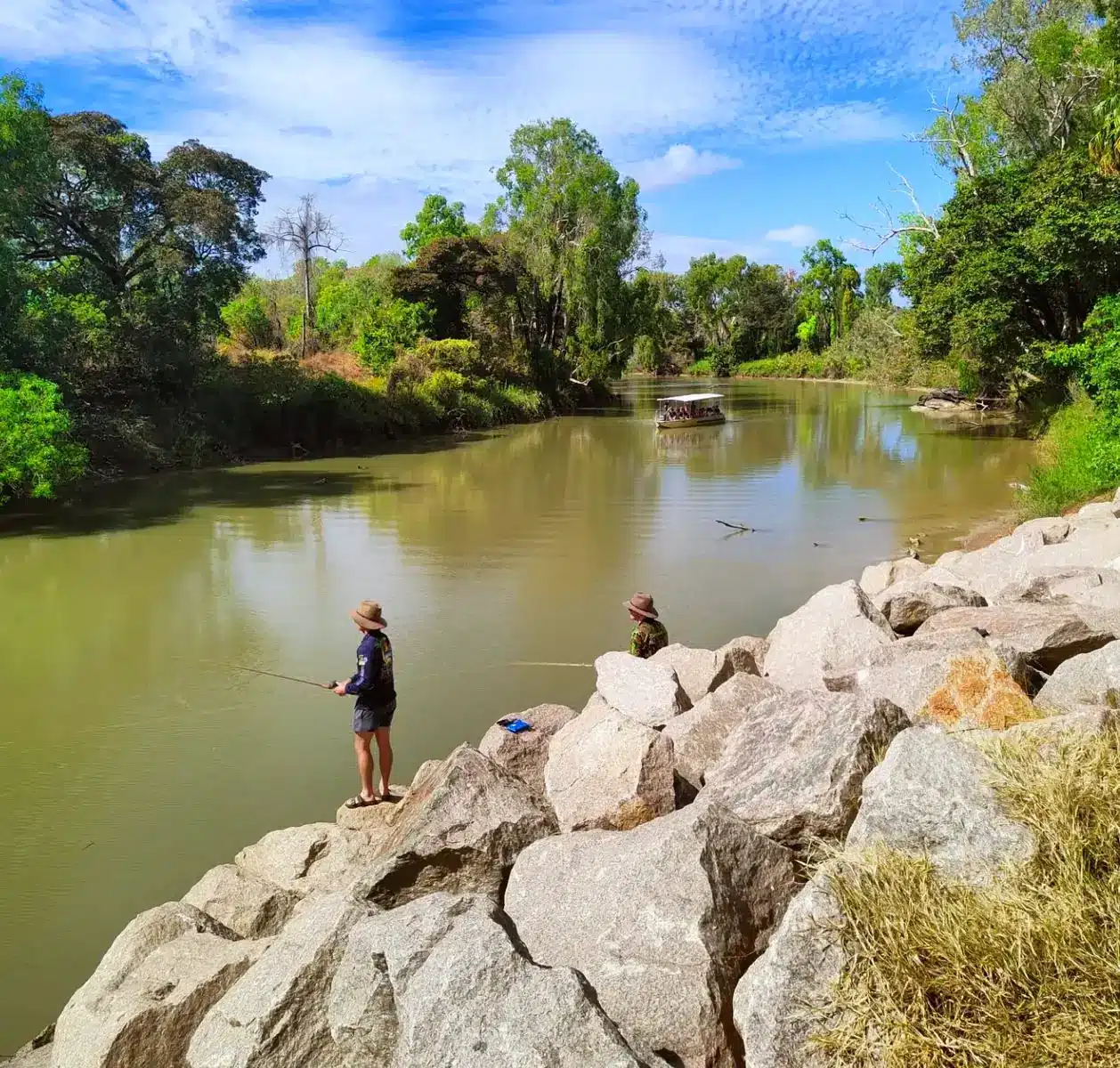
These trips will take you into the wetlands – often in some pretty remote areas like the Mamukala Wetlands or other floodplains. The boats you’ll be in will often be flat-bottomed or electric, so you can just drift along quietly and see the wildlife in its natural environment.
And this is where it all starts to get a bit different. You might drift along for ten minutes with not much at all happening, and then suddenly – just as you’re starting to think nothing much is going on, you spot a crocodile swimming quietly through the water, or a white-bellied sea eagle soaring overhead, or – if you’re lucky – a wallaby popping up on the riverbank. And it’s not all about the animals themselves – it’s also about understanding why they live in certain areas, when they tend to hang out, and how the water levels affect their behaviour.
This is more about taking the time to learn about the real patterns at work here – here you will see wildlife behaving in its natural state rather than during some flashy display.
Getting There Without Stuffing Things Up
Most travellers choose to base themselves in Darwin’s city centre, often around Cavenagh Street, or at places like Travelodge Resort Darwin. Depending on the experiences you want to do you day can quickly start to take shape.
Jumping croc cruises are pretty straightforward – it takes a 60-75 km drive out to Arnhem Hwy to get to them. On a map, it’s about an hour, but on the road, it’s more like 75-90 minutes. You need to allow for road trains, slow-moving traffic, and the odd stop along the way – it’s not hard to factor in an extra 30 minutes to an hour. As for parking, it’s usually pretty easy to find a spot, and it’s right next to the launch point at most operators.
Traditional safaris are a completely different ball game, though. Heading out to Kakadu is a minimum of 2.5 – 3 hours one way, but that does not take into account fuel stops, spotting wildlife and a few delays – and before you know it, you’re looking at a full day, 10 to 12 hours from door to door.
This is how people end up getting it wrong. They underestimate the distances, and before you know it, time has just flown by in the vastness of the Northern Territory.
Timing Things The Way They Really Are
Let’s take a look at things the way they actually are, not just what the brochures say – with reality, weather and just how long things take, factored in.
| Experience | On Paper | Real-World Timing | What Slows You Down |
|---|---|---|---|
| Jumping Croc Cruise | 1–1.5 hrs | 3–4 hrs total from Darwin | Traffic, loading, heat breaks |
| Traditional Safari | 2–3 hrs | 8–12 hrs total day | Distance, stops, wildlife viewing |
Heat is the major factor at play here. During the build-up season, the humidity sucks the energy right out of people. You know you’ll be slowing down, drinking more water, and taking more breaks – that’s why the advertised timing always gets stretched to fit.
The Real Costs Of A Top-End Adventure
The Jumping Crocodile Cruise is actually pretty affordable – it’s usually around $45 to $90 per adult. No wonder it fits so neatly into a shorter itinerary.
Safaris, on the other hand, well, that’s where the expenses really start to rack up! A day trip to Kakadu can cost anywhere from $180 to $350, depending on what you want to include. And then there’s fuel, park passes (around $40 per adult in peak season), and all the food stops in between – before you know it, you’re looking at over $400 for the day.
People usually don’t factor in all the extras, though – just the main event price. But then there’s the fuel to consider (depending on your vehicle and driving style), and food options in the Top End aren’t exactly budget-friendly.
What Really Puts People At Risk In The Top End
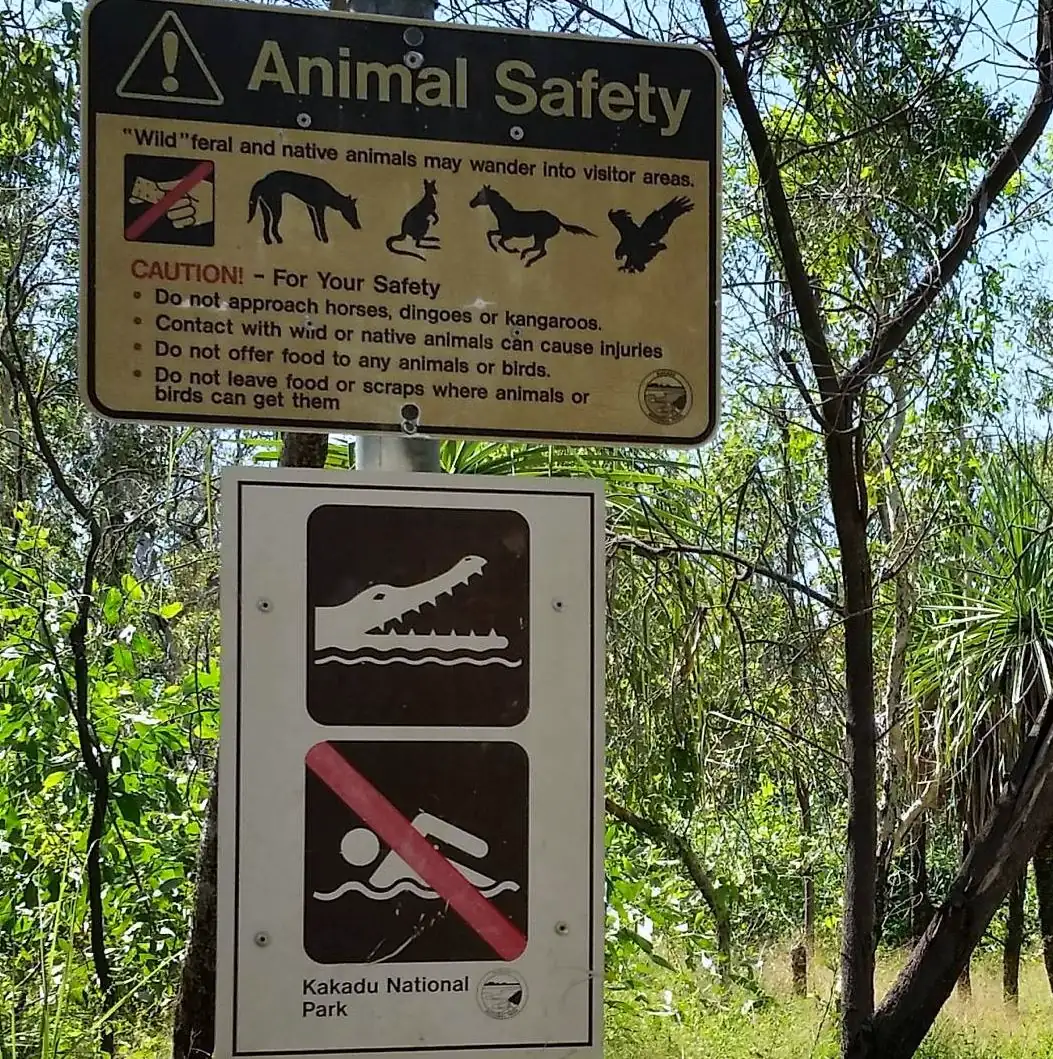
Everyone knows about crocodiles – but they’re not actually the biggest threat.
Heat exhaustion and dehydration are much more common. I’ve seen people tapping out halfway through the day because they underestimated the conditions or didn’t drink enough water.
The boats are stable, the guides give you a proper safety briefing before you set off, and everything is in line with NT regulations. But out in the bush, the environment is not to be messed with.
In the wet season, the flooding can suddenly appear and cut you off from getting anywhere – and in the dry season, the sun and dust will just wear you down. Either way, you need to respect what the Top End’s throwing at you.
Experience Matters When Planning Your Dream Trip
This is what really matters.
Jumping croc cruises are perfect for short-stay travellers and families – and anyone who just wants to get a guaranteed crocodile experience without committing to a whole day. They’re efficient, get the job done and are easy to fit into a broader itinerary.
If you want wildlife photography, or to see the real Top End, then you want to go for the traditional safari option – they require patience, a bit of tolerance for the heat and a willingness to slow down.
But if you’re not comfortable with long travel days, the heat, or periods without a whole lot of activity, the safari option might just feel a bit underwhelming.
One Day In Darwin? - A Plan That Actually Works
So you’ve only got a day in Darwin but want to make the most of it – this is the combination I always recommend :
- Morning Jumping Crocodile Cruise on the Adelaide River
- Afternoon trip into Litchfield National Park
- Some swimming stops at Buley Rockhole or Florence Falls
And you get your crocs, landscapes, and a real Top End feel all without having to make the long trek to Kakadu. Easy.
Seasonality That Changes Everything
The Top End doesn’t beat around the bush when it comes to seasons.
In the dry season, the roads are clear, wildlife is concentrated in smaller areas, and traditional safaris are the way to go. You’ll see heaps in a short space of time, and you can rely on getting to where you want to be.
In the wet season, floodplains expand so much they’re almost unrecognisable. Crocodiles start to roam further afield, the roads get shut off, and safaris become anything but predictable. The jumping croc cruises, which run on those tidal river systems, are actually a lot less hit and miss than you might think.
Weather isn’t just a thing – accessibility and the quality of your experience can change completely in a split second.
What Travellers Keep Getting Wrong
After years of watching patterns emerge, there are a few things that jump out at you.
People always underestimate how far they’ll be travelling, overpack for the days, and expect to see wildlife on tap during their safaris. They also assume that both the wet and the dry seasons will deliver the same kind of experience, which leads to all sorts of mismatched expectations.
The biggest mistake of all? People choose their tour based on nothing but hype, rather than what suits them.
My Take After All These Years On These Rivers
The first time I saw crocodiles jumping up close, yeah, it was exactly as good as I’d been told. It’s all very sharp and intense and gets totally stuck in your head.
But, the more I’ve been up here, the more I think it’s the quieter safaris that really stick in my mind.
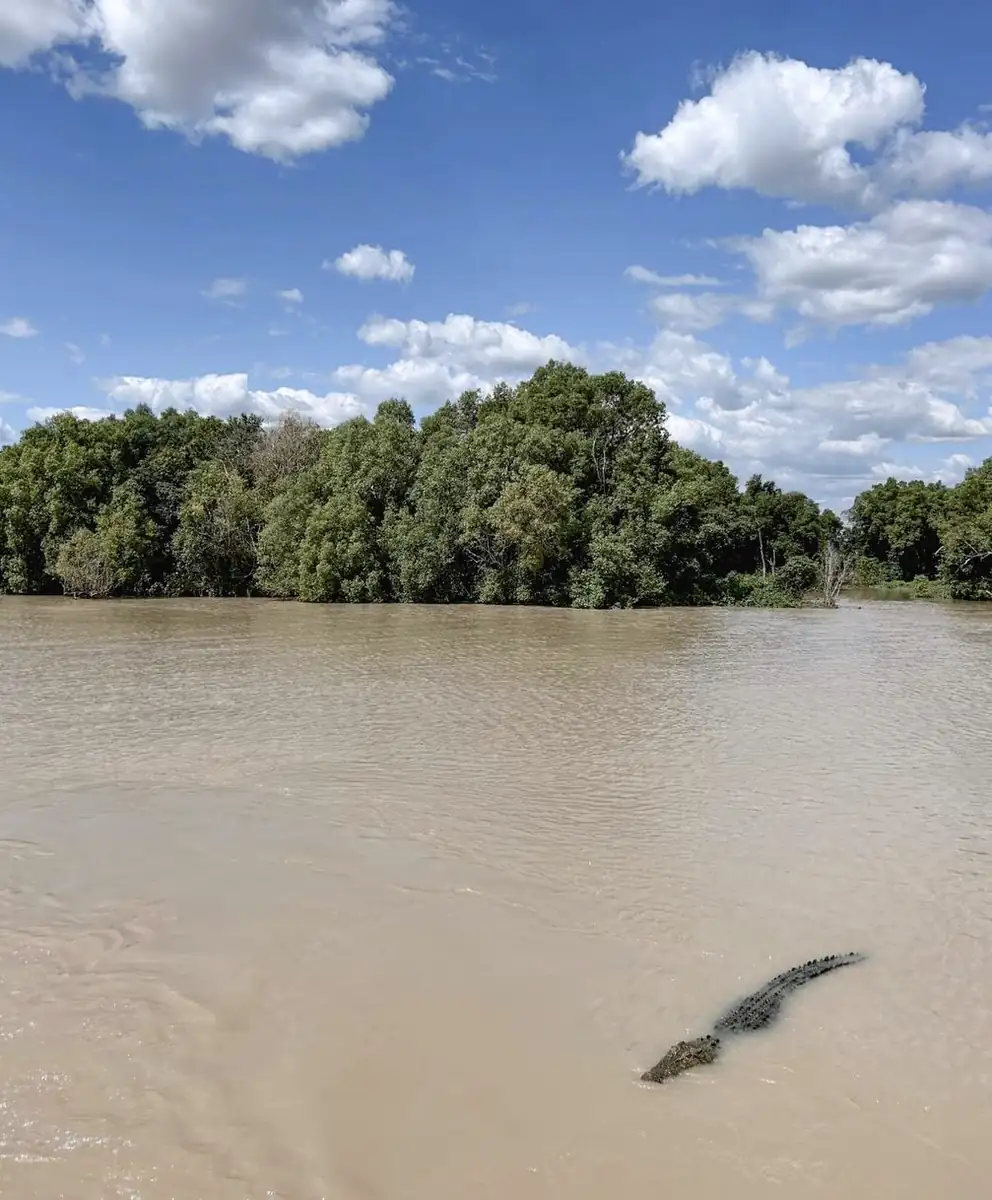
Watching a crocodile glide through the water at sunset, the only sound being the birds and not the engine, and really seeing how everything is all connected – that’s when the Top End really shows you what it’s all about.
Of course, if time is of the essence, then the jumping cruise is where it’s at – it delivers the goods and doesn’t waste the whole day.
Final Verdict - What Should You Actually Book?
If you’ve only got a short amount of time to get in and see the sights, go for the Jumping Crocodile Cruise. It delivers exactly what it promises and won’t leave you stuck waiting around.
If you do have the time to hang around and really take it all in, though, a traditional safari is a much more rewarding experience – you’ll learn heaps more about the landscape and the wildlife, and it’s just overall a more satisfying experience.
Plenty of tour operators, like Great Ocean Road Tours, will even tell you the same thing – just match your trip up with what you can realistically do, rather than trying to cram too much into your schedule.
The Real Deal About The Top End
Honestly, if you want to know the lowdown from me, Paul, that is
- One option gives you a major adrenaline kick and instant results
- The other shows you the bigger picture, and you get to really connect with the place
Neither is right nor wrong, but choosing the right way to plan your trip can be the difference between a good time and a great one.
FAQ
Do I have any chance of spotting Crocs?
On these jumping croc cruises, more often than not, you’re going to see one – almost every single time, in fact. With safaris, though, sightings are pretty common, but no promises.
Is feeding crocs okay?
It’s got guidelines and checks in place to stop things getting out of control (NT’s got its act together on that front) – some people still aren’t sold on it, though, and prefer completely natural interactions instead.
Which one is better for getting some great snaps?
For action shots, the jumping cruises are your best bet. But if you want loads of different types of photos and some landscapes thrown in, the safaris are the way to go.
Is it actually possible to do Kakadu in a day?
Technically, yes, but it’d be a long, rushed, and pretty tiring day. 2 days is the way to go if you want to make the most of it.
What's the biggest mistake people make when planning their trip?
Thinking they can just rock up, handle the heat, the distance and all the rest, without doing their homework on what to expect here.