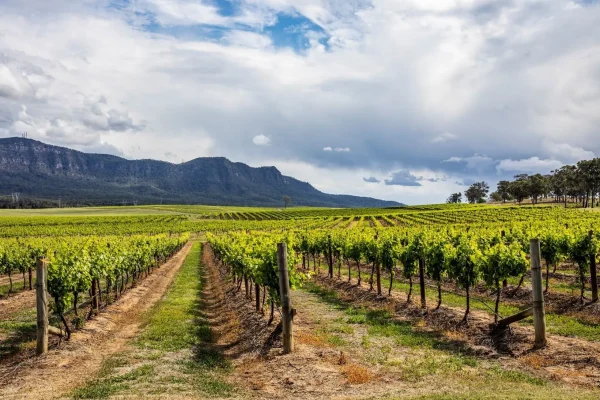
Shiraz Hunter Valley Wine
Rolling into Hunter Valley Wine Country with Shiraz Hunter Valley Wine on my mind, I’m reminded how this part of New South Wales always manages to deliver a glass that tastes like a real place and real people.
You can feel it in the air — warm, earthy, peppery — the same way those old vines feel the heat, the humidity and the wild seasonal swings that shape every vintage. I’ve been around this Valley for years, from cellar doors run by micro-winemakers in tin sheds to polished tasting rooms where French oak barrels are stacked like a cathedral to fermented dreams.
If you’re curious about what makes Hunter Valley Shiraz such a unique red wine or you’re planning a weekend to taste your way through these rolling vineyards, let’s get into the flavours, the stories, the cellar doors and the local knowledge that keeps you from making the rookie mistakes (trust me — I’ve made them all).
What Sets the Region’s Reds Apart
Hunter Shiraz has its own personality — mid-depth colour, peppery spice, earthy notes and red fruit up front. It doesn’t punch you in the face like some Barossa Shiraz or roll around with heavy oak like Eden Valley. Instead, it’s a grounded, savoury, medium-bodied style shaped by humidity, heat and soils that don’t have time for fuss.
The old hands in the region still talk about vines surviving La Niña years or how vintage 23 shook things up with wild weather patterns. And yet this Valley keeps producing Variety Shiraz with purple tints, firm structure and that classic Hunter spice. When I first walked a vineyard on a humid February afternoon, a winemaker laughed and said, “These vines sweat more than we do.” He wasn’t wrong.
Why It’s Special
- Grown in warm, humid conditions unique to New South Wales
- Savoury flavour profile instead of jammy sweetness
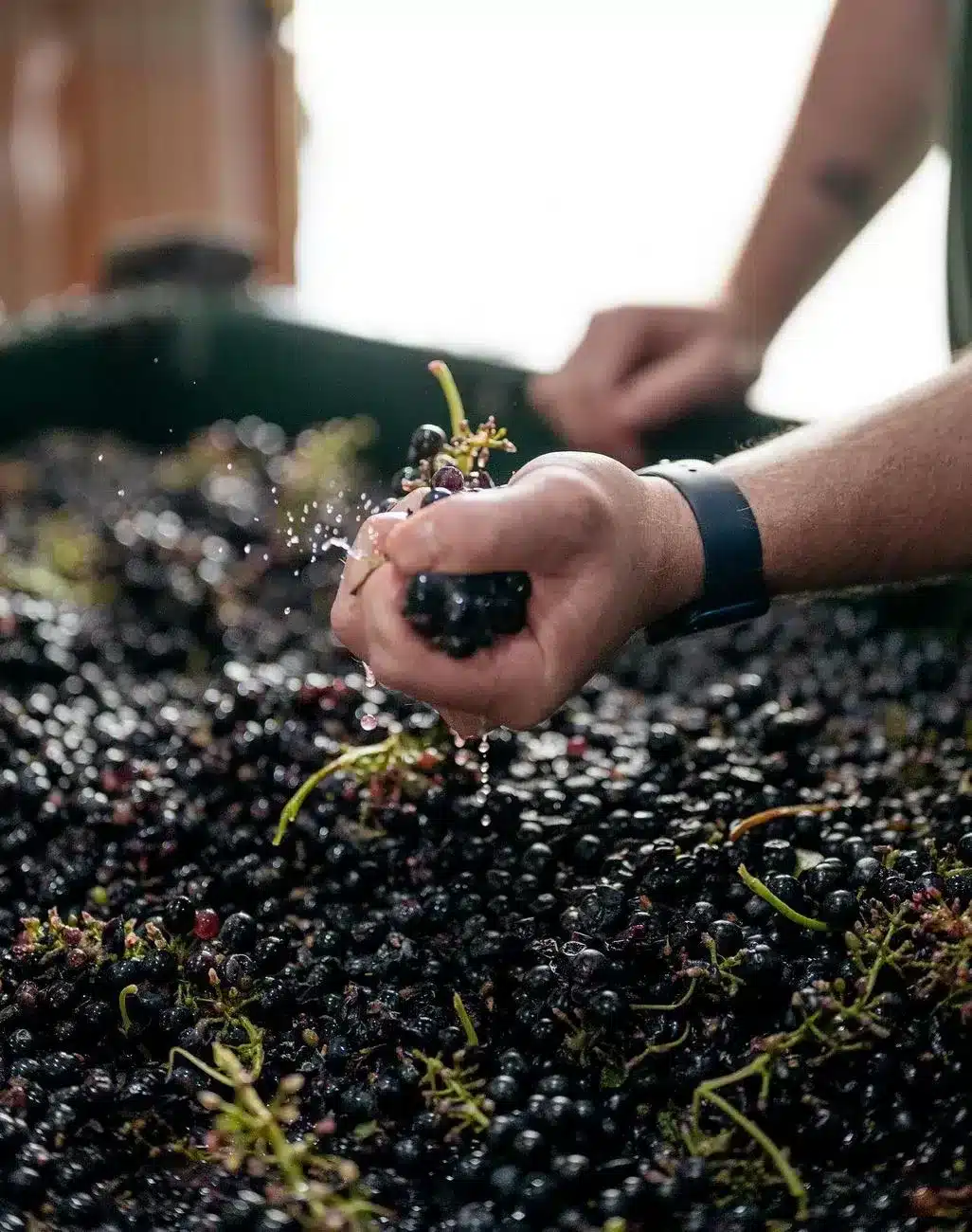
- Built for ageing — especially single vineyard and small batch releases
- French oak influence that’s subtle, not dominating
- Genuine sense of terroir shaped by heat, storms and stubborn soils
Quick Regional Stats
| Feature | Hunter Valley | Barossa Valley (for comparison) |
|---|---|---|
| Climate | Warm, humid | Hot, dry |
| Signature Style | Savoury, peppery Shiraz | Full-bodied, rich Shiraz |
| Avg. Rainfall | ~750mm/year | ~500mm/year |
| Avg. Alcohol % | 13–13.5% | 14–15% |
| Ageing Potential | High | High |
Flavours, Aromas And What To Expect From A Pour
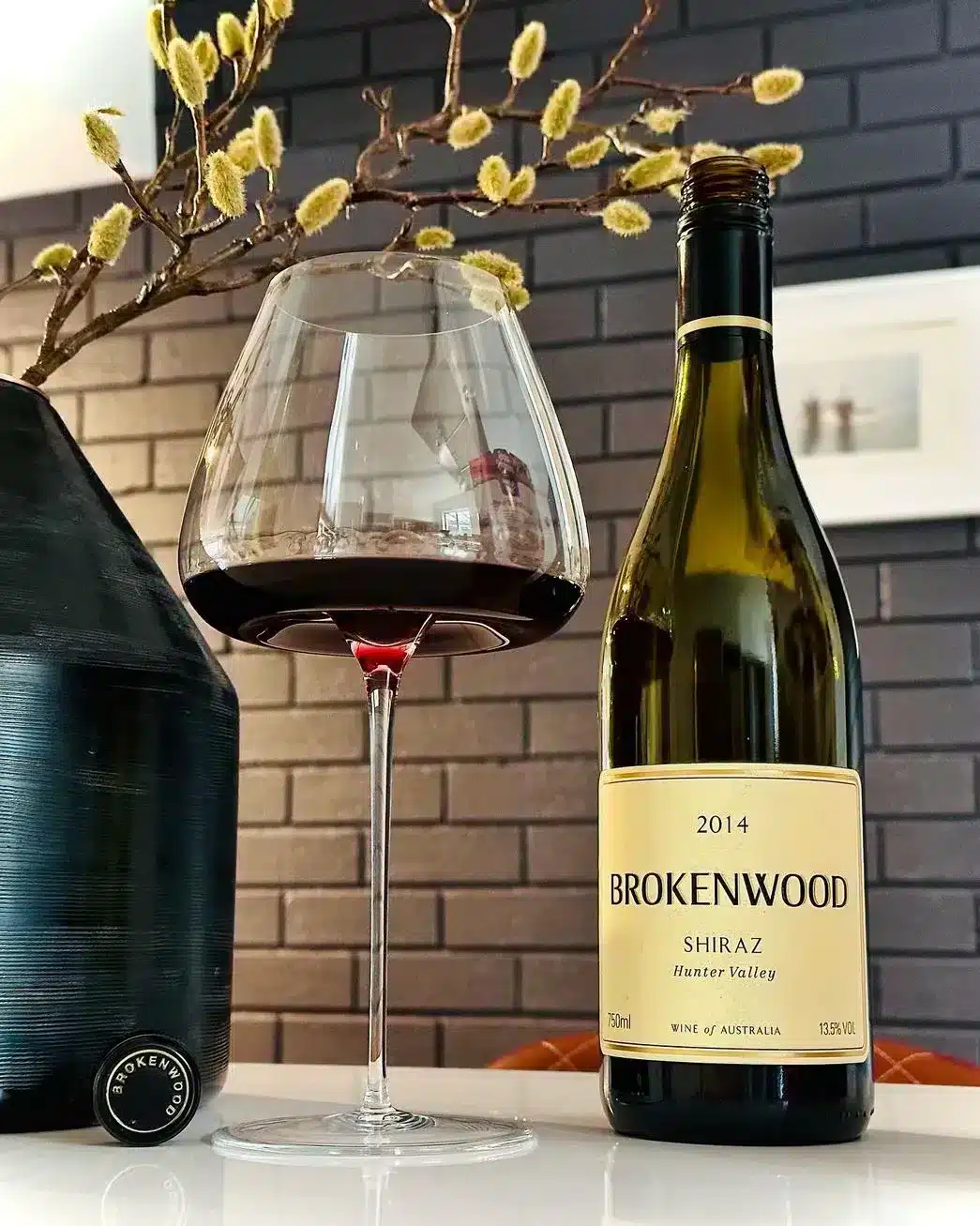
If you’ve ever smelt the air after rain hits dry, cracking earth, you’ll understand Hunter Shiraz — it’s earthy, grounded and Australian.
Most standard pours open with dark fruits, a splash of red berries and a wave of pepper that dances right up the nose. Give it a swirl and a minute of patience, and you’ll get the secondary layer: leather, dried herbs, hints of smoke and that gentle tannin handshake that makes Hunter Shiraz so easy to pair with proper Aussie food.
Aromas You’ll Pick Up
- Black cherry and plum
- Ground black pepper
- Tobacco leaf
- Charred wood
- Dried oregano
What It Tastes Like
- Medium-bodied fruit warmth
- Balanced acidity (it’s why it works so well with food)
- Grippy but friendly tannins
- Savoury finish that lingers
If you’re used to Barossa tannins that hit like a road train, Hunter Shiraz will feel more like a ute rumbling down a gravel farm track — steady, reliable and deeply satisfying.
Tasty Pairings for Deep, Spicy Reds
Hunter Valley Shiraz loves food — real food, not the tiny portions you can inhale in two bites. I’ve poured it next to grilled meats on a camp stove, a kangaroo steak cooked too fast on a cast-iron pan (my fault), and even a late-night cheese board when the power went out during a summer storm.
Works Beautifully With:
- Grilled meats — lamb, beef, kangaroo
- Slow-cooked roasts
- Mushrooms and smoky veg dishes
- Strong cheeses like aged cheddar
- Barbecue plates with pepper spice
Surprisingly Good Matches
- Wood-fired pizza
- Dark chocolate desserts
- Smoky tofu and miso dishes
- Hearty eggplant meals
If you’re using proper red wine glasses, let it breathe — Hunter Shiraz opens up faster than you think.
Top Places To Enjoy A Glass of Red Locally
You’ll never run short of cellar doors here — but some places deliver that perfect mix of great wine, relaxed vibes and genuine country hospitality. Skip the places that feel like they were built just for Instagram. Chase the ones where someone still hoses down the concrete at closing time.
Winestops With Character
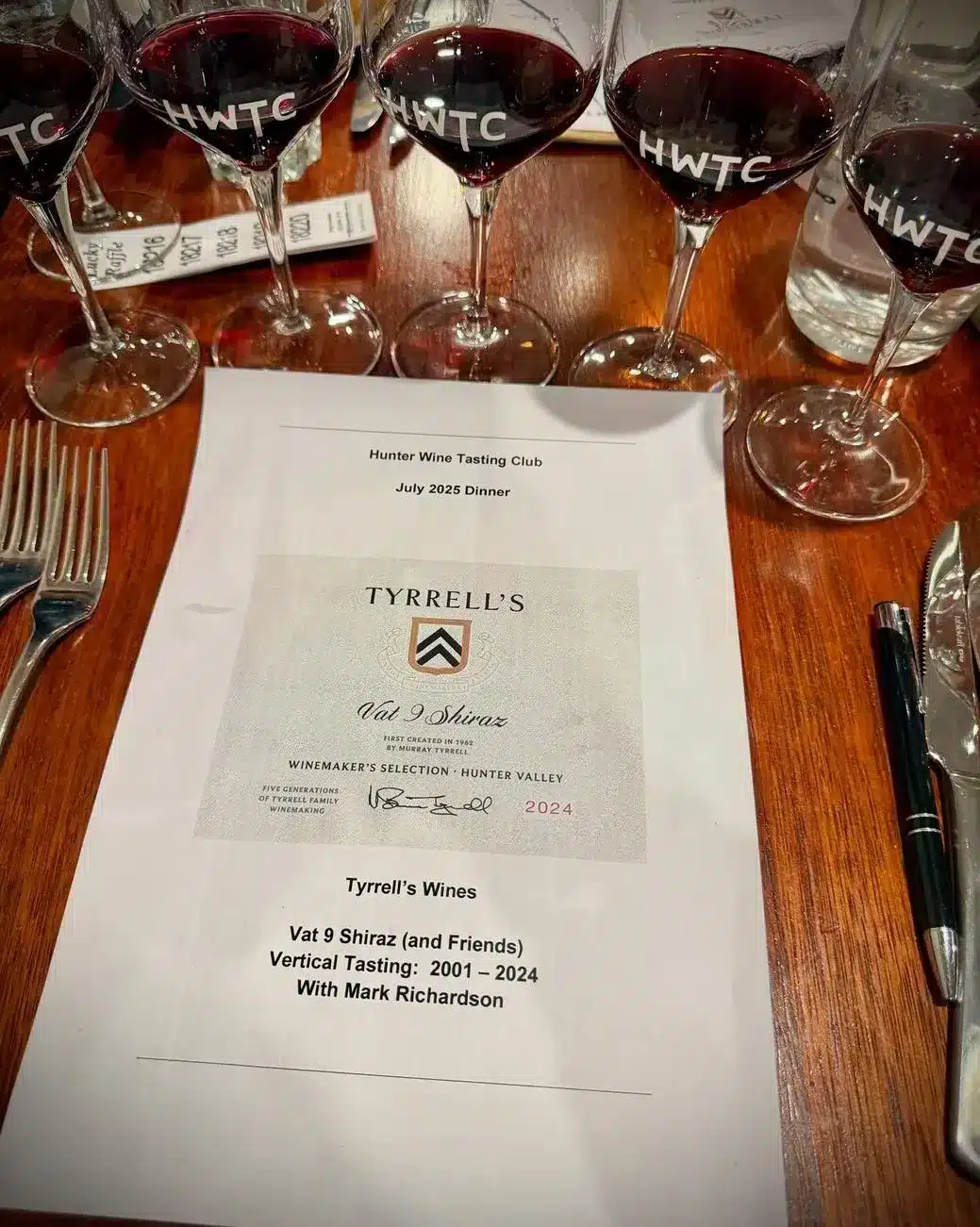
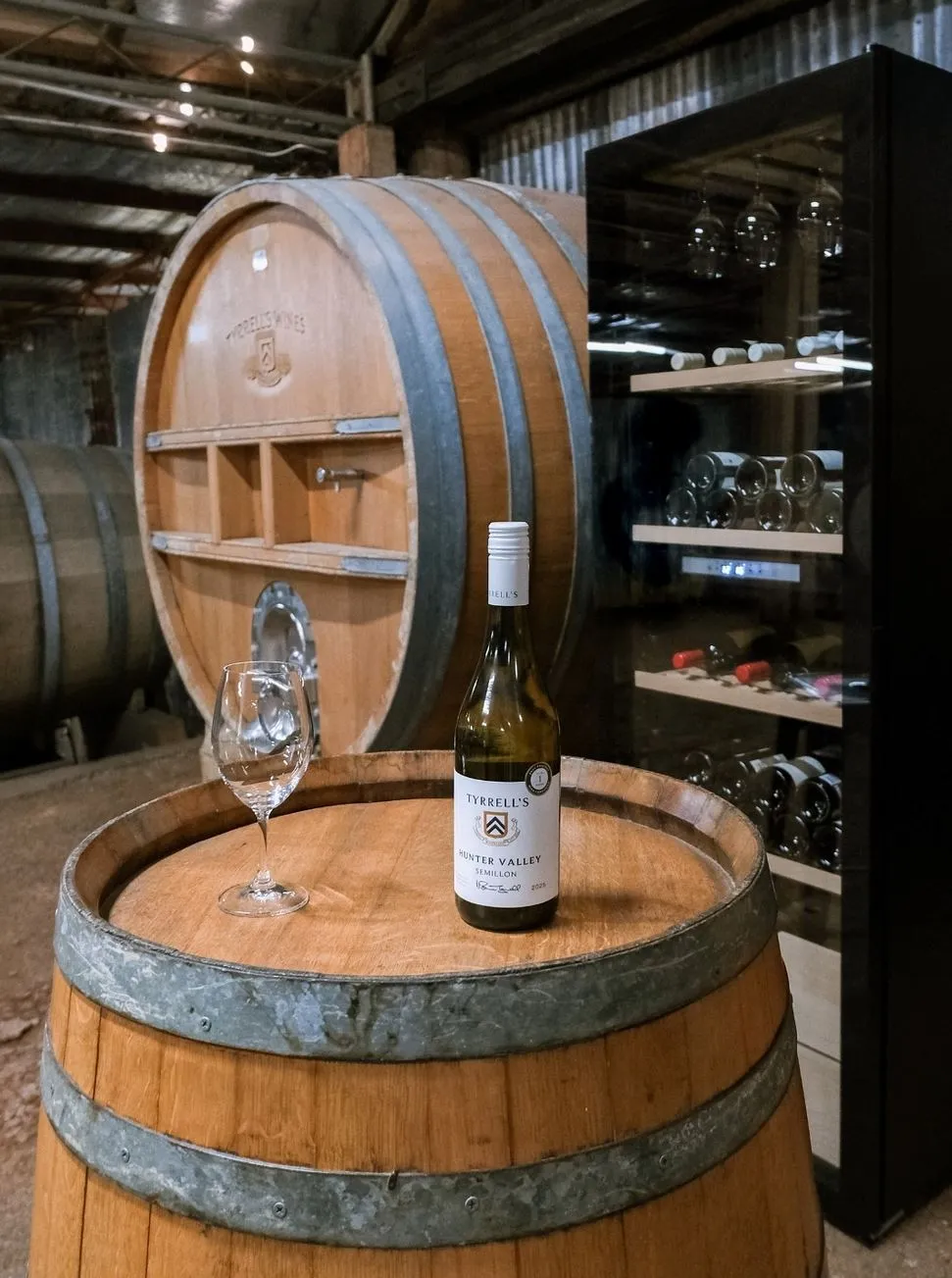
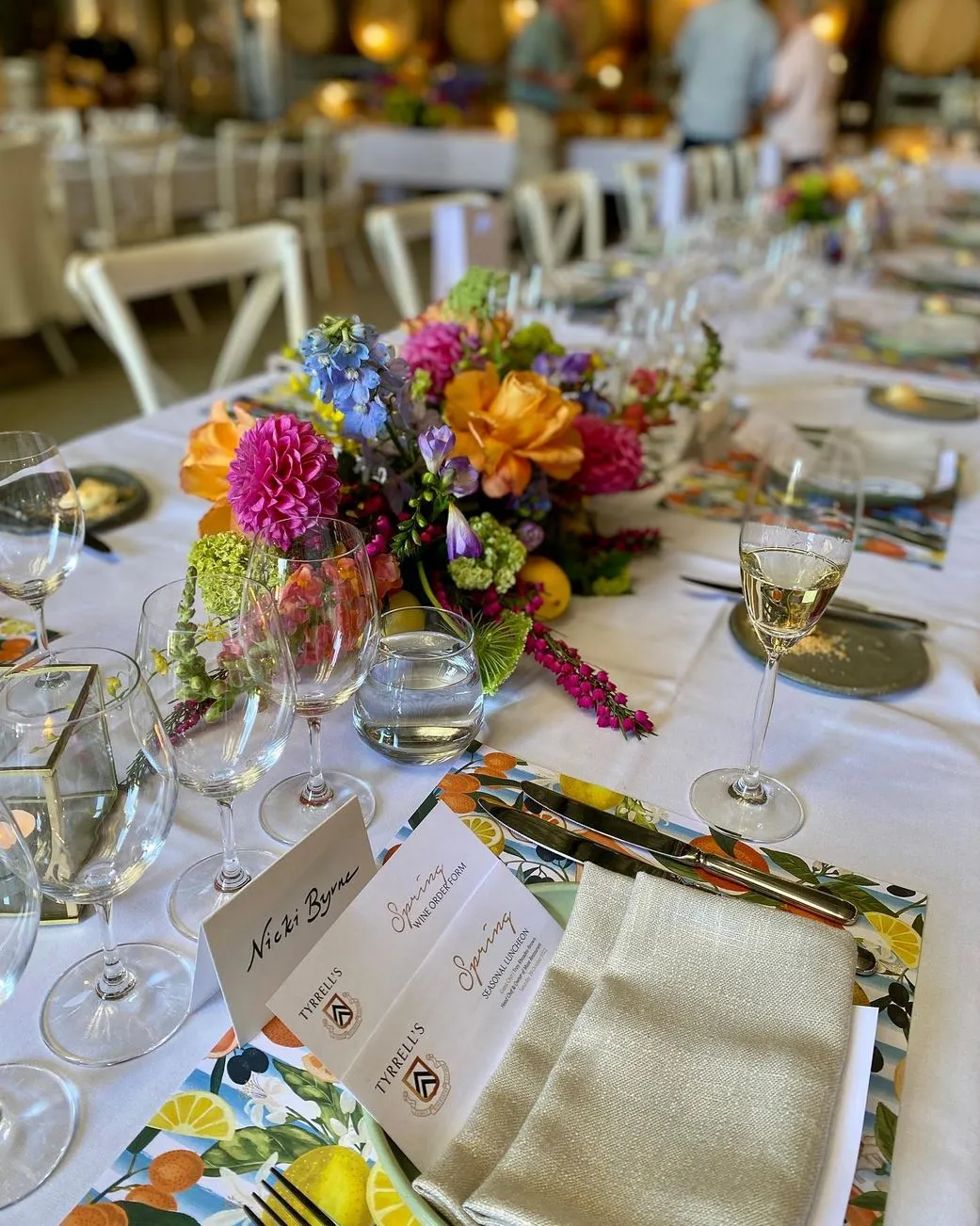
- Tyrrell’s Wines – Old vines, big history and big flavour. Their Shiraz is Hunter history.
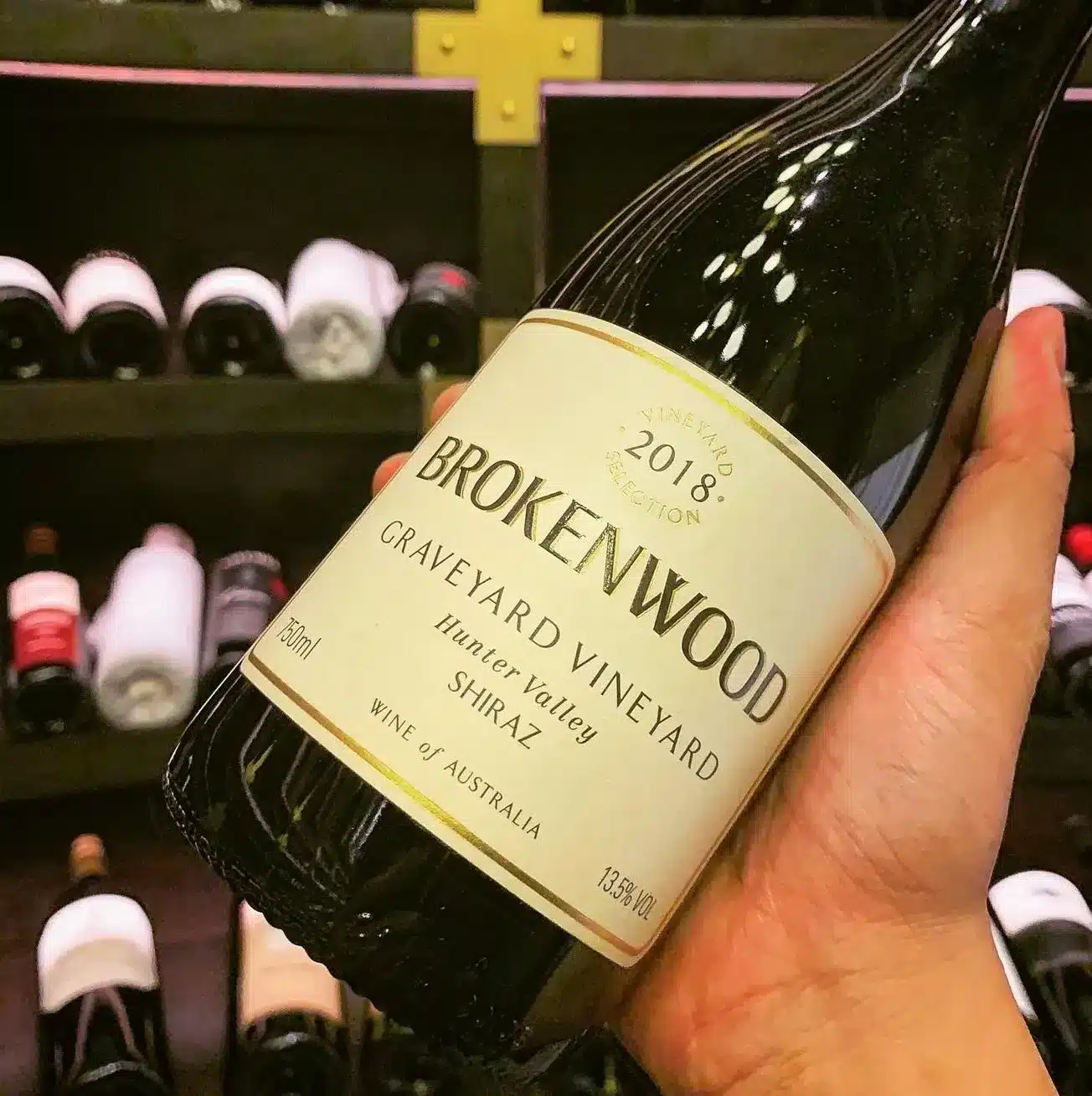
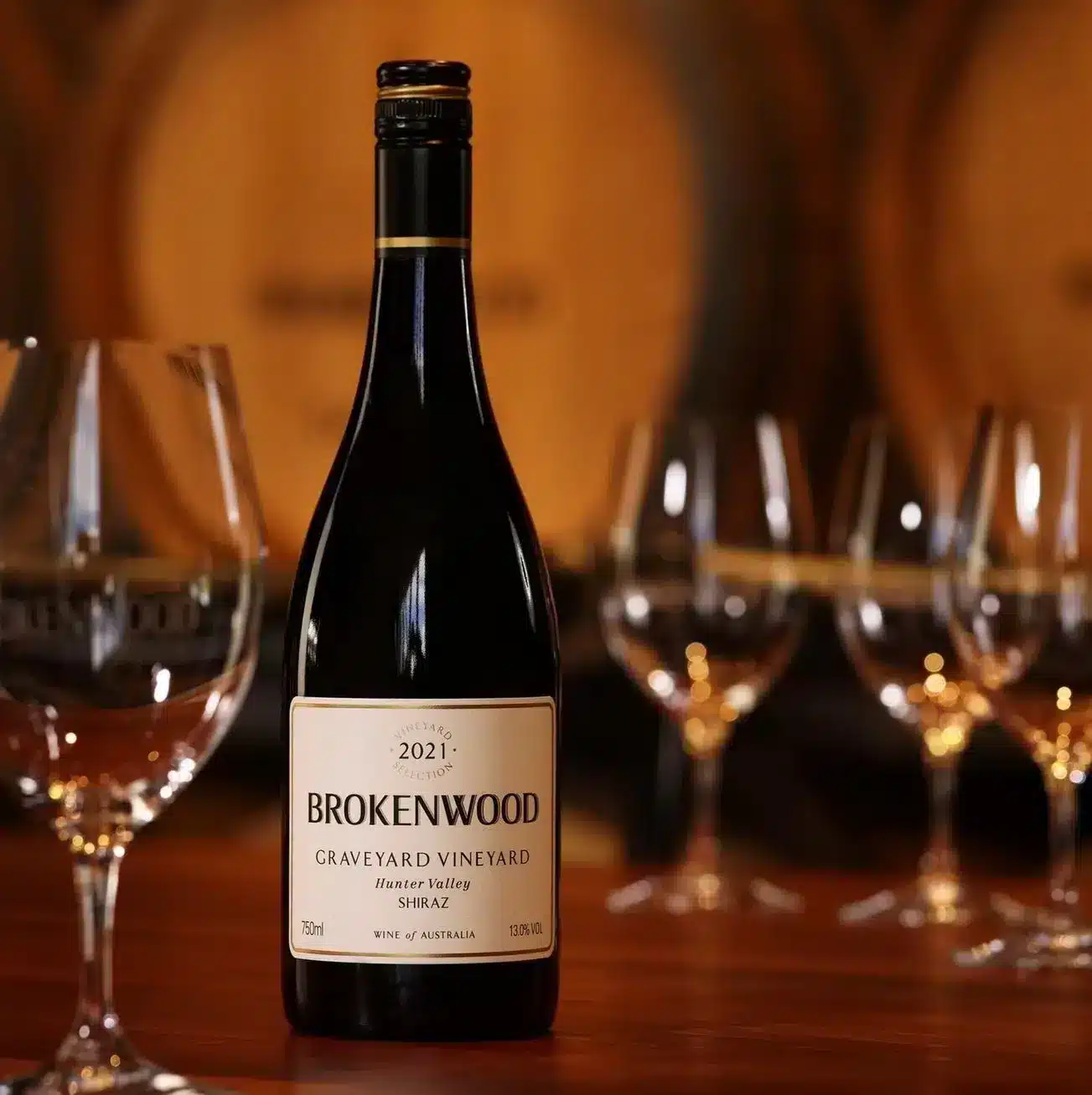
- Brokenwood – Polished but not pretentious. Their releases are fruit and spice.
- Audrey Wilkinson – The views are a bonus, but the small-batch Shiraz tasting is the real star.
- Pepper Tree Wines – Earthy Shiraz with personality.
- Gundog Estate – Modern with a wild streak — expressive Shiraz and great staff.
If you want the inside track, ask winemakers about their museum releases — older Hunter Shiraz is the best.
How To Plan A Cracking Weekend
A weekend in the Hunter Valley can be either a perfectly paced affair or a complete write-off because you got a bit carried away on the tasting trail from the word go. If you want to avoid waking up in your hotel bed feeling like you’ve been put through a wringer, then here’s a version that won’t leave you ruing the decisions of the previous evening.
Take It Easy And Get The Feels
- Pushing on a bit late in the day is probably a good idea, as the traffic on the M1 can be a real pain on a Friday.
- Start things off at a low-key cellar door that won’t blow your top, just let you get a feel for what you’re getting yourself into.
- Take your time over a long lunch at a vineyard restaurant – you’re on holiday after all.
- Do a couple of afternoon tastings at wineries that aren’t too similar – a small, boutique place and a heritage classic are a good starting point.
- Anchor yourself down for the night with a hearty plate of pub grub.
Take A Walk On The Wild Side
- Kick off the day with a coffee in Pokolbin – you’ll need the caffeine to take on the day.
- Take a stroll through a vineyard in the morning – try to avoid the heat of the day if you can.
- Pop in on a few small family-run producers – they tend to be more interesting than the big places.
- Give your palate a quick reboot with a visit to a brewery or distillery.
- Finish the day off with a sunset picnic among the vines – the view won’t be bad either.
If you’re short on time or not keen on handling the driving between tastings, a 1 Day Hunter Valley Wine Tour is a rock-solid option. You’ll hit a mix of boutique and heritage cellar doors, skip the hassle of bookings, and get the kind of local context you’d miss on your own.
The Must-Haves For Your Wine-Weekend Survival Kit
- A refillable water bottle to keep you hydrated
- A cooler bag for any wines you might like to take back to your room
- Sunscreen – the Hunter sun is no joke, trust me
- A hat and some breathable clothes to keep you comfortable
- A solid plan in place for getting around – designated driver, taxi number, etc
- Bookings for all the tastings you plan to do (getting turned away from the cellar door is a right old bummer)
Seasonal Tips For Visiting Travellers
The Hunter Valley – it’s not exactly a place for the faint of heart when it comes to weather. It’s hot, sticky, cool and misty all in the same day – so you can forget about any of that predictable seasonal nonsense in the brochures.
Summer (Dec–Feb)
- Bloody stinkin hot and humid, with tourists aplenty
- Make sure you’ve booked everything in advance
- You might even get a few storms to add to the excitement
Autumn (Mar–May)
- The wineries are buzzing with harvest activity – a great time to get a feel for what’s going on
- Crisp temperatures and comfortable – ideal for spending the day at cellar doors
- And of course, the colours in the valley are absolutely stunning
Winter (Jun–Aug)
- It’s properly chilly in the mornings – throw on a few extra layers
- Fireplaces are everywhere – perfect excuse to grab a glass of Shiraz and put your feet up
- Less crowded than the other times of year, so you can have a more peaceful time
Spring (Sep–Nov)
- The valley is looking fresh and green, and the weather is just about perfect.
- Vineyards are starting to come back to life, so it is an excellent time for outdoor tastings.
FAQ
Why does Hunter Valley Shiraz taste so different to Barossa Shiraz?
It’s all about the soil, the climate and the humidity – they all come together to give you a peppery character that the Barossa can’t match.
What makes a single vineyard Shiraz so special?
It’s all about the terroir – you get an obvious idea of what the one specific site is all about.
Does Hunter Shiraz age well?
Absolutely – especially if it’s balanced, subtle and structured.
What food pairs best with Hunter Shiraz?
Grilled meats, earthy veg dishes and cheeses – it’s a match made in heaven.
Is minimal intervention winemaking a thing in the Hunter?
Yes, it’s getting more and more popular – lots of small winemakers focusing on purity and vineyard-first expression.