Blue Lake (Jenolan)
Let the limestone settle on my shoulders as I wade into the story of Blue Lake (Jenolan), I’m reminded how this little pocket of colour can throw even seasoned travellers off balance.
Most people see the photos online and assume it’s just a pretty pond with a fancy filter slapped on, but the real story behind that electric blue is far more interesting — and far more temperamental. You’ll want the full picture before you start the engine, lace the boots, or place a bet on your phone reception (spoiler: you’ll lose).
The Real Deal Behind This Bright Blue Pool
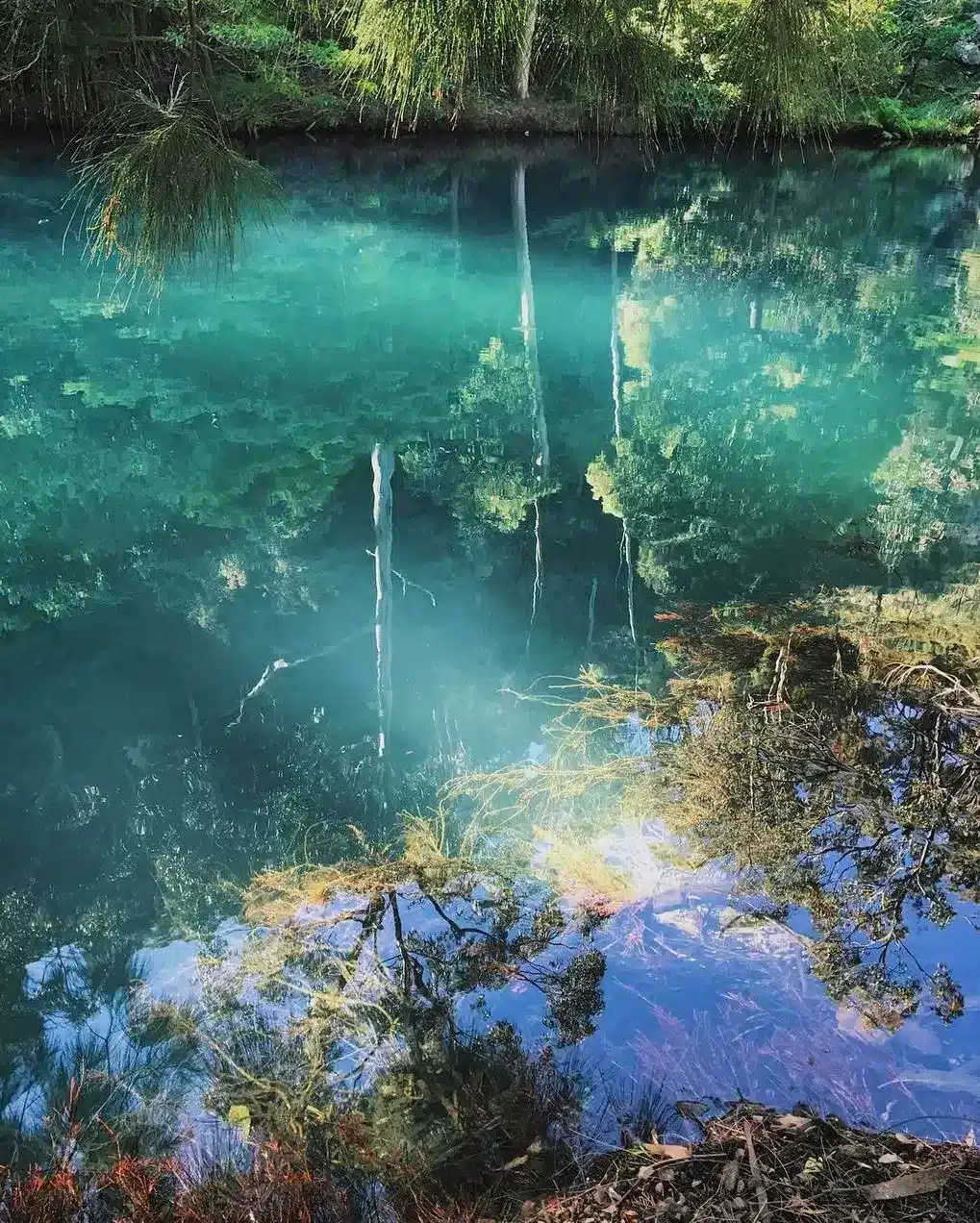
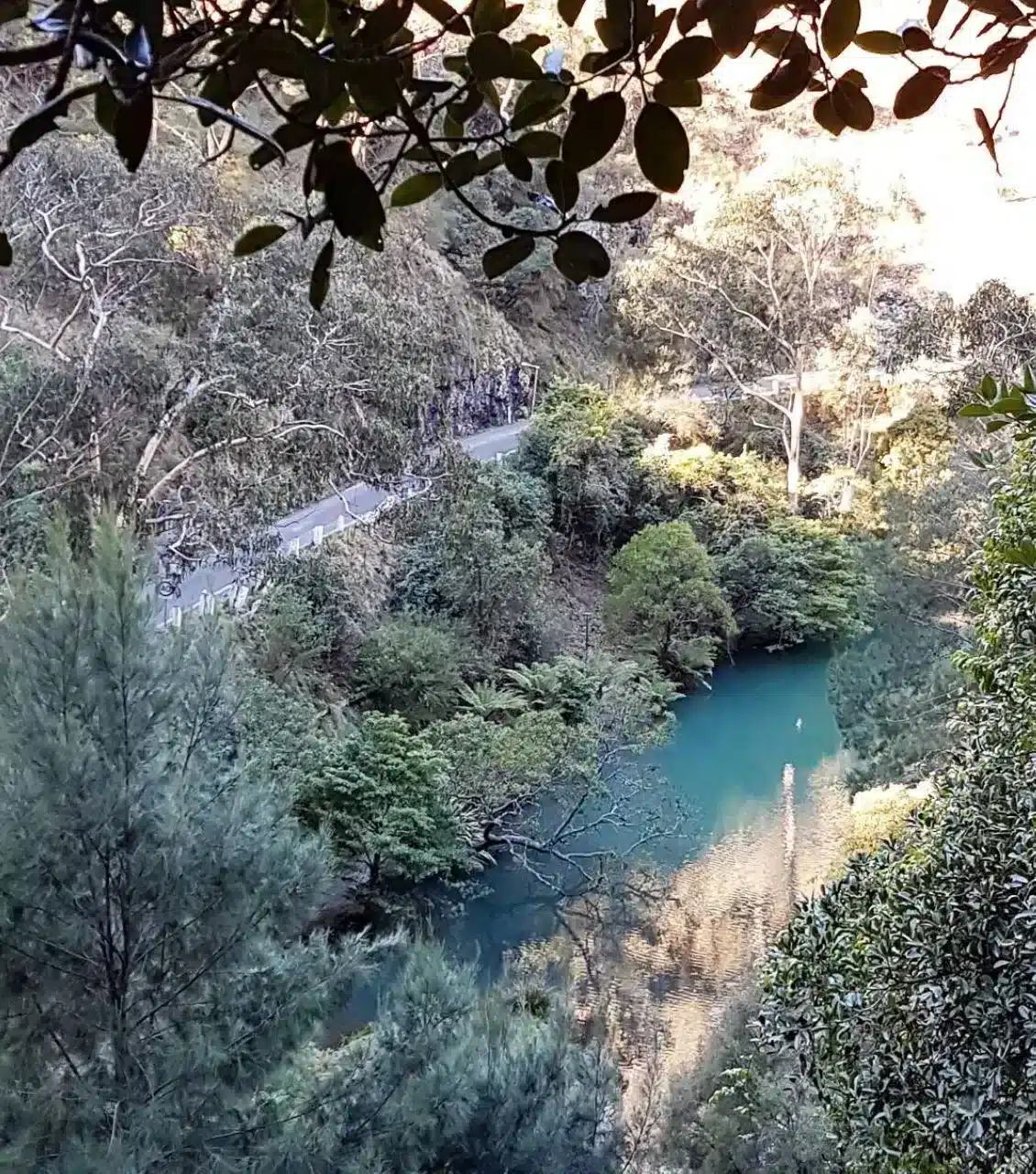
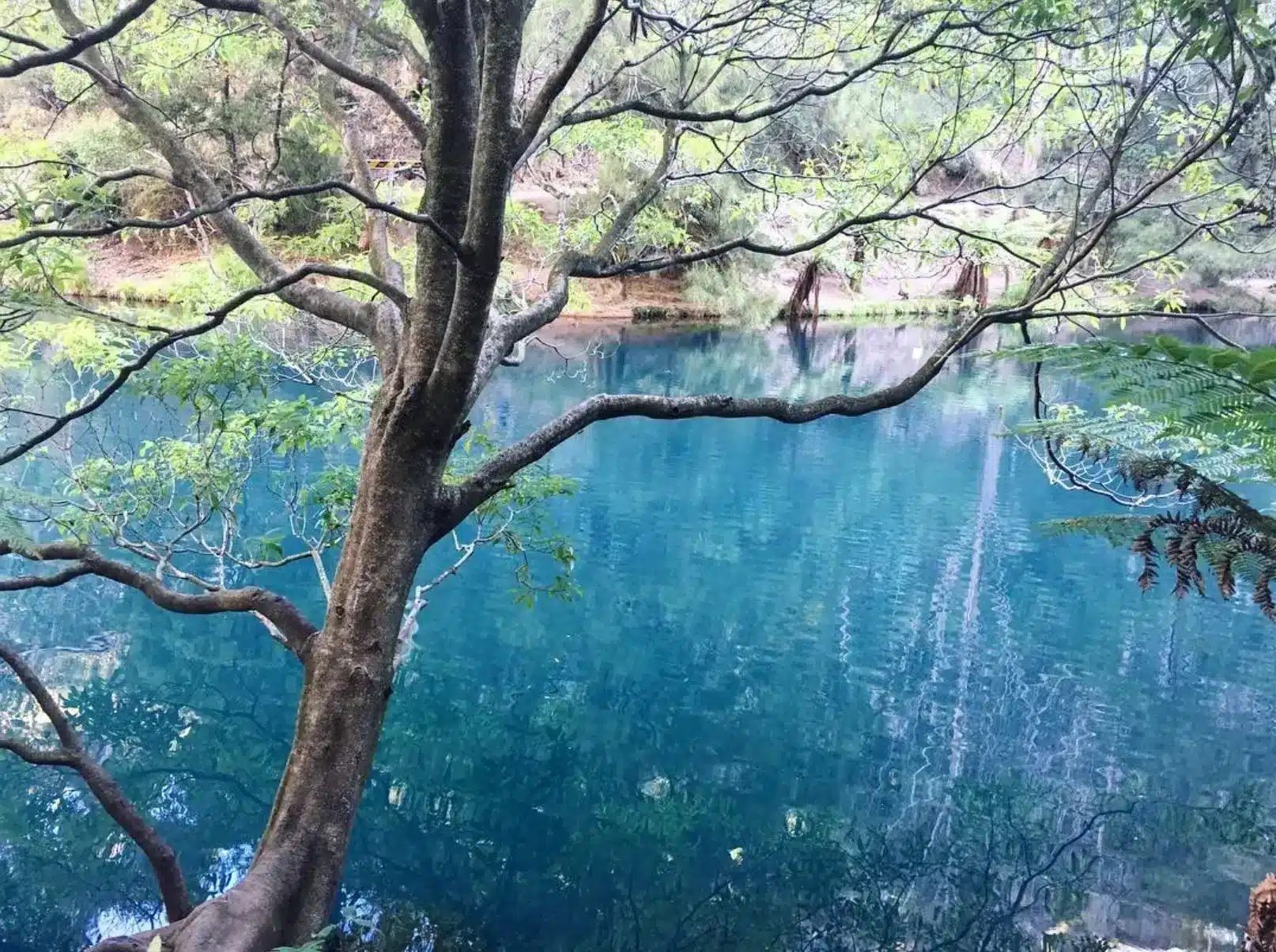
This bright blue water isn’t filtered, dyed, enchanted or curated by any tourism board — it’s the refraction of light bouncing through mineral-rich water pumped straight out of the limestone deposits beneath the heritage-listed Jenolan Caves. The Jenolan Caves Reserve Trust and the scientific research teams say suspended particles of calcium carbonate scatter blue wavelengths more intensely, which is why the lake glows like a gemstone even on dull days.
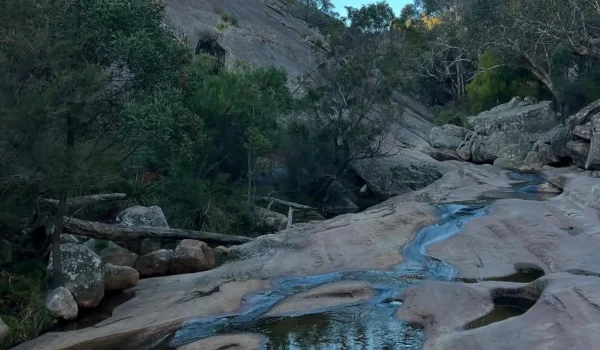
You’re standing in one of Australia’s oldest karst systems — a place where the Jenolan River flows out from Nettle Cave and the Devil’s Coach House Cave before settling briefly in this shallow blue waters basin. That light-scattering effect is what gives Blue Lake its signature colour, but the exact shade depends entirely on weather, rainfall and the angle of the sun.
What Actually Makes It Blue
- Mineral-rich water from the underground limestone system
- Suspended particles scatter shorter blue wavelengths
- Seasonal light angle changes that boost or dull the effect
It Won’t Be The Same Colour Every Time You Visit
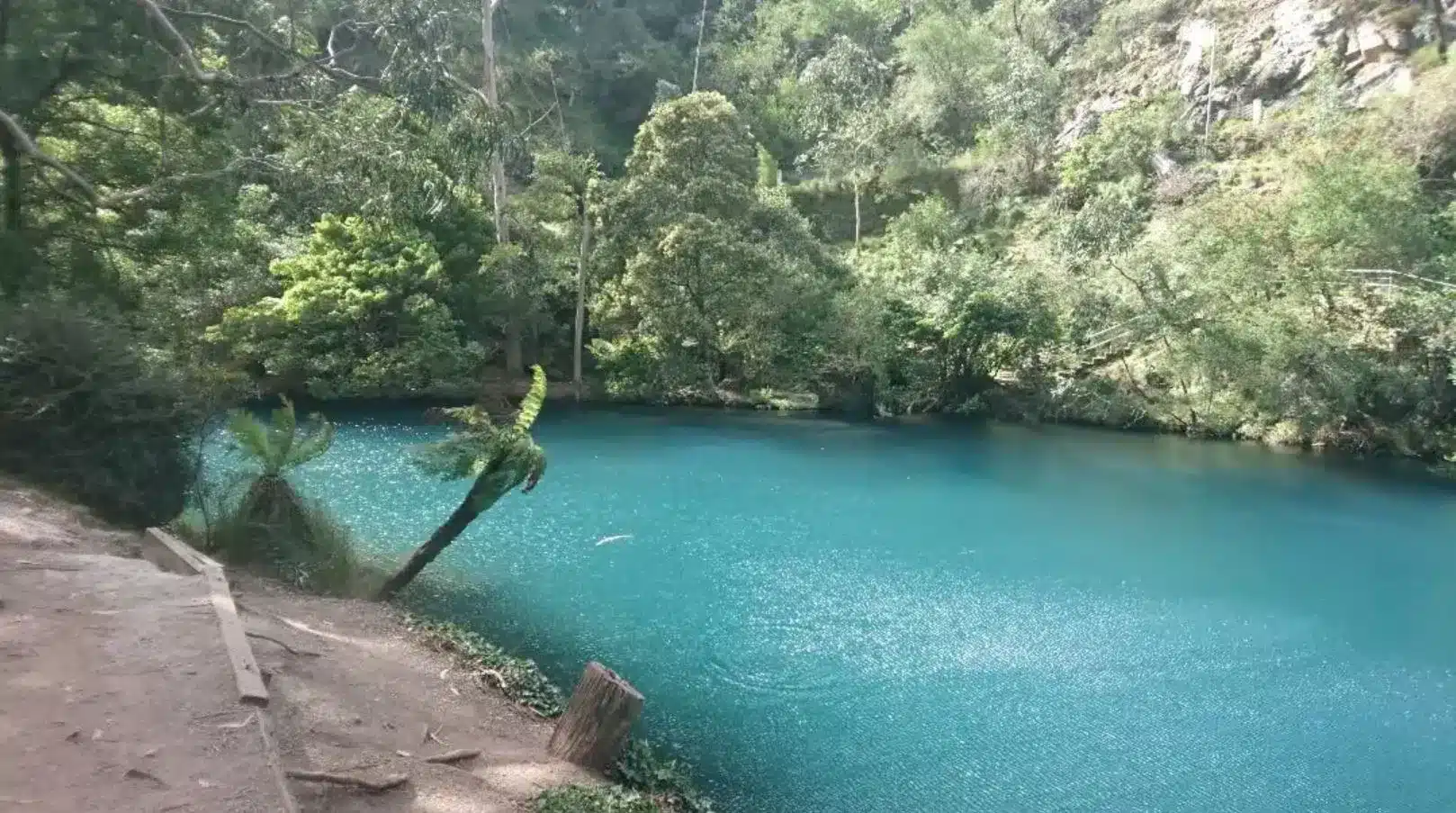
I’ve seen Blue Lake look like gemstone milk one winter morning, then turn teal after a week of heavy rain. The colour isn’t a promise — it’s a moment.
How To Get Here Without Digital Map Chaos
If you’ve ever trusted a GPS on Jenolan Caves Road, you’ll know it has the emotional range of a teaspoon. The Blue Mountains do strange things to phone signals, and between steep ridgelines, road closures, and the ongoing repair work Transport for NSW does in the area, your navigation can go from confident to clueless in a heartbeat.
| Route | Conditions (Typical) | Notes |
|---|---|---|
| Jenolan Caves Rd (from Hartley) | Frequently restricted | Controlled access due to landslip repairs |
| Edith Rd (via Oberon) | More reliable | Best access for standard vehicles |
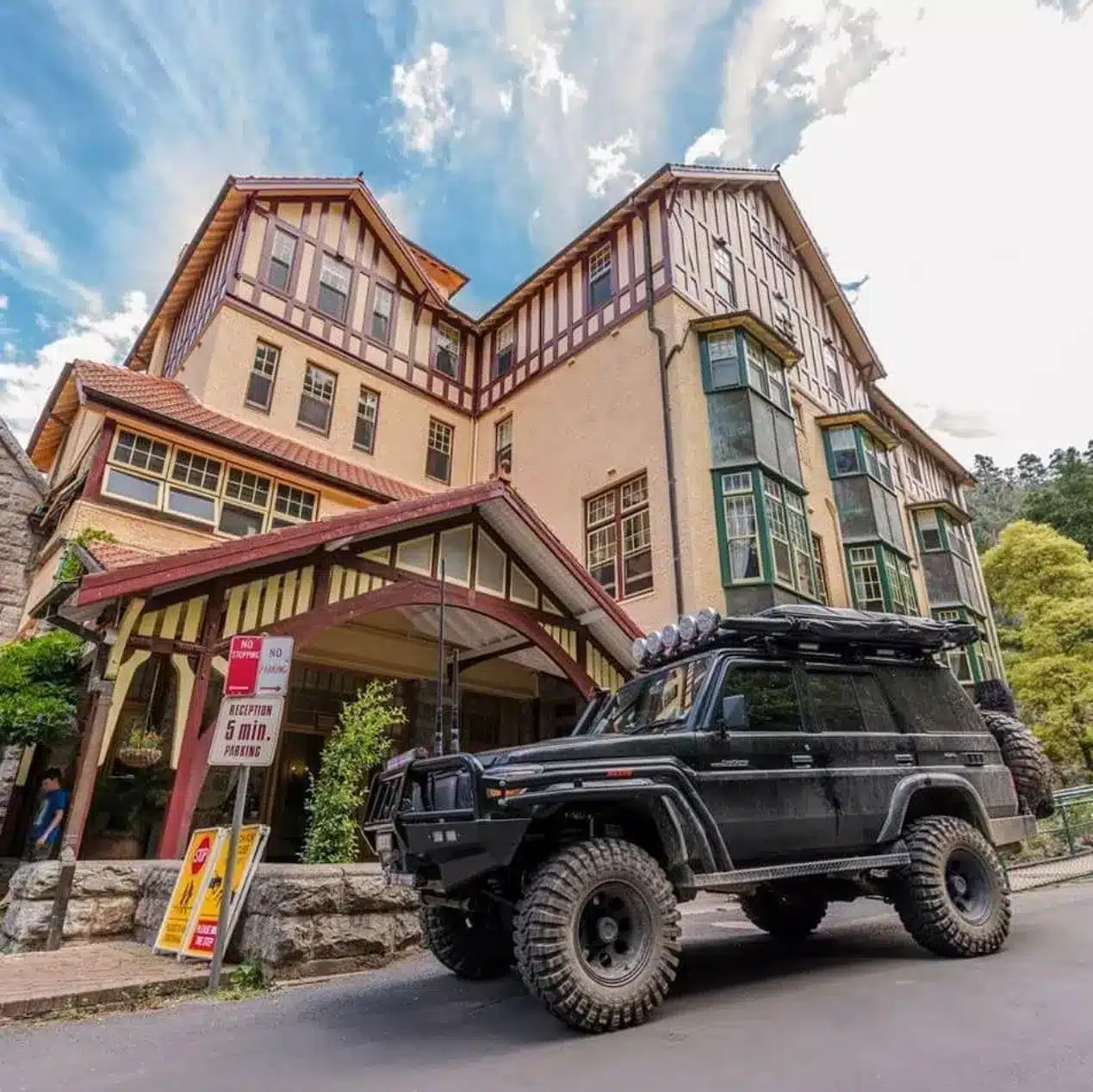
| Inside Precinct | Pedestrian-only | Park near Caves House or the Grand Arch |
Navigation Tips That Actually Work
- Before you head to Hampton, download the Jenolan App and grab a copy of the offline maps – trust us, it’ll come in handy.
- If you want to avoid any last-minute surprises, take the Edith Road route – it’s usually the more straightforward option.
- Keep an ear out for what the on-site staff and signage are saying – the Jenolan Caves Reserve Trust often changes access arrangements on the fly, from hour to hour.
- Be prepared for slow traffic near De Burgh Bridge and the Grand Arch – it’s worth taking your time.
- Once you get inside the precinct, the signs for the Blue Lake Boardwalk and Jenolan River walking track should make the final bit a pretty easy self-guided tour for anyone to follow.
Inside South Australia’s Platypus Haven
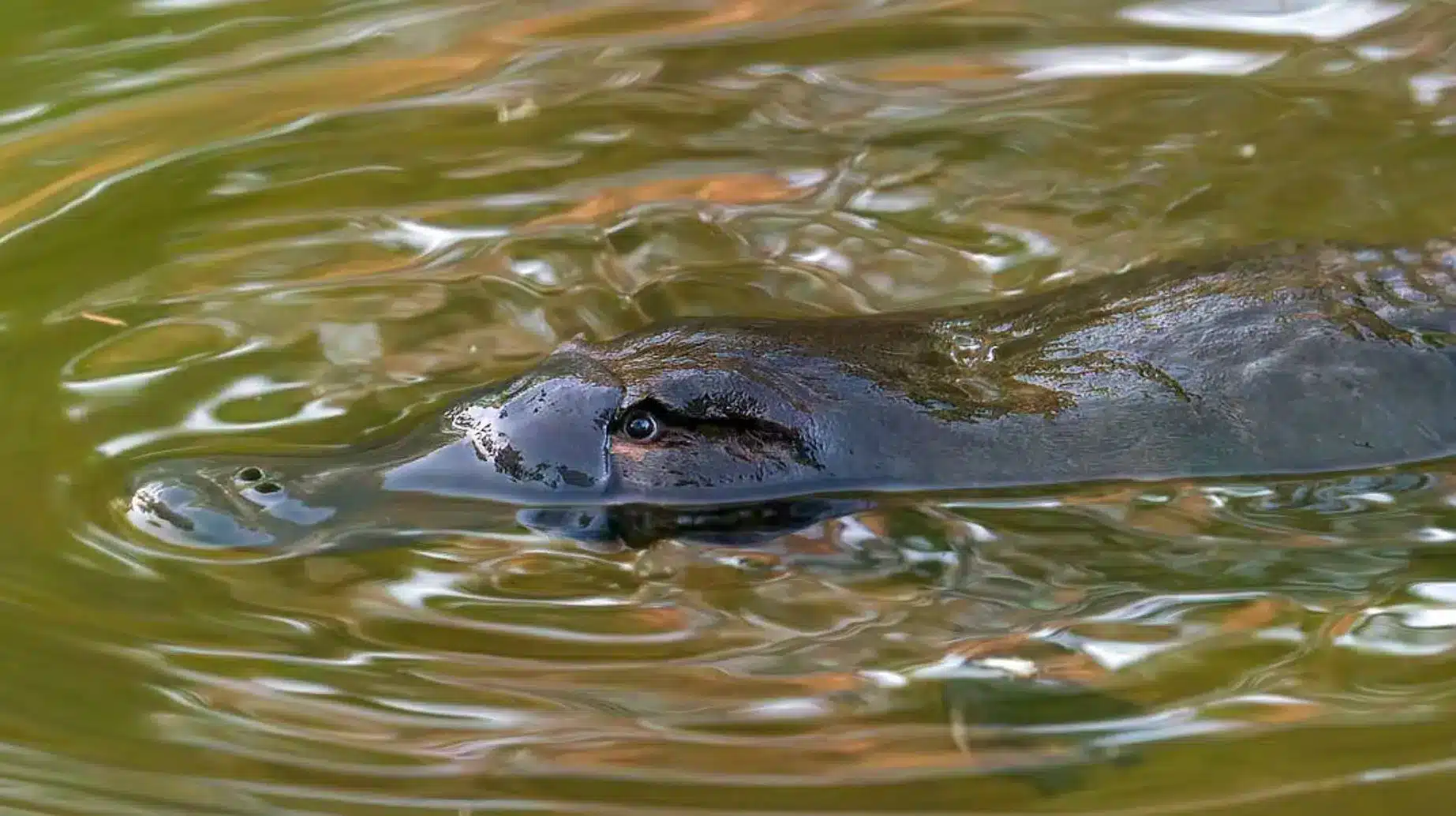
Now, let’s get to the good stuff that all the travellers want to know about – Blue Lake is actually one of the most closely monitored platypus habitats in the Blue Mountains. Researchers like Dr. Tom Grant, Dr. Eren Turak, and Jenolan’s resident platypus spotters collect all sorts of environmental DNA, track breeding patterns and use remote cameras and sensory gear to keep an eye on these notoriously shy Aussie animals.
But the truth is – you are pretty much buggered if you want to see one.
The thing is, platypuses are not exactly fond of noise, movement or shadows. And even though this spot has a peaceful vibe, with people strolling across from Caves House or the Grand Arch, it’s still not exactly a platypus hotspot.
Your Best Chance (Still Not Much Though)
- Try getting there at first light – you never know, you might get lucky
- Stand still by the Jenolan River inlet and keep your eyes peeled – but don’t go expecting to spot it in the water
- If you see some V-shaped ripples in the water, don’t get too excited, it’s probably just the waterbugs – not the platypus themselves
- And for goodness sake, keep your distance – this is protected habitat, not a public viewing area for wildlife.
This little tucked-away basin is basically a waterbug nursery, supporting all sorts of macroinvertebrate prey that the platypus feed on. Jenolan staff and local aquatic ecologists run a long-term environmental monitoring program here, including waterbug hotels, habitat restoration, and revegetation plans (such as re-planting River She-oak after the Black Summer bushfires).
Just remember to respect the space and keep things safe for one of Australia’s most delicate – and downright fascinating – mammals.
Seasonal Shifts
And if you think Blue Lake looks the same every day of the year, then you must not spend much time in this valley because it’s constantly changing – like a natural mood ring. Even the hydroelectric system upstream, including the historic Jenolan Hydroelectric Station and the Leffel Wheel, can affect water flow and visibility – making it a beauty that changes with the seasons.
Seasonal Conditions Table
| Season | What You’ll Experience | Traveller Notes |
|---|---|---|
| Summer | Strong blue colour, warm breeze | Storms can hit fast in the Blue Mountains |
| Autumn | Crisp mornings, calmer water | Best balance of colour and crowd levels |
| Winter | Deepest colour, icy winds | Frost and black ice on Jenolan Caves Road |
| Spring | Bright tones, wildlife active | Unpredictable rain; flowering native vegetation |
Autumn is my favourite time to show people on a Blue Mountains Tour — stable light, soft shadows and fewer crowds. Winter is great for colour, but bring gloves unless you want fingers like ice pops.
Local Hacks That Actually Matter
Forget the “top 10 lists” written by people who clearly haven’t stood on this track at 7 am in July. Here are the tips that will actually help you.
Gear That Makes The Walk Better
- Good boots — the path is slippery after rain
- Layers — Jenolan traps cold like a cave guardian
- A real camera — phone cameras struggle with the blue glare
- Snacks — limited food options once you’re down there
Timing Hacks
- Get there before 10 am to avoid coach crowds
- If you want no shadows, go at noon
- If you want a platypus, go at sunrise
- Avoid long weekends unless chaos is your thing
Safety And Cultural Respect
Jenolan is on Gundungurra Country. Walk with respect, stay on the track and observe any closures. Country isn’t a theme park — treat it with care.
A Yarn From The Trackside
The first time I saw Blue Lake (Jenolan), it was so fogged in I thought I’d taken the wrong path. The water wasn’t blue — it was grey, flat and cold enough to make my eyes water. I was about to turn around, but waited. Five minutes later, the fog lifted like someone rolled back a curtain, and the lake lit up like an opal in the sun.
That’s Jenolan for you. It’ll test your patience, flatten your expectations and then give you a moment you’ll tell your mates about for years.
FAQ
Can you swim in Blue Lake?
No. It’s prohibited and bad for the platypus habitat and the environmental monitoring program.
Does Blue Lake always look bright blue?
No — the refraction of light depends on weather, season, rainfall and mineral levels.
How long is the walk?
About 10-15 minutes from the Grand Arch or Jenolan Caves House via a marked path.
Is Jenolan Caves Road open?
Check Transport for NSW or the Jenolan App — closures are common due to repairs and landslip risks.
Are there show caves nearby?
Yes — Nettle Cave, Temple of Baal, and several other show caves are easily accessible from the precinct.