Blue Mountains: Abseiling and Canyoning Experience
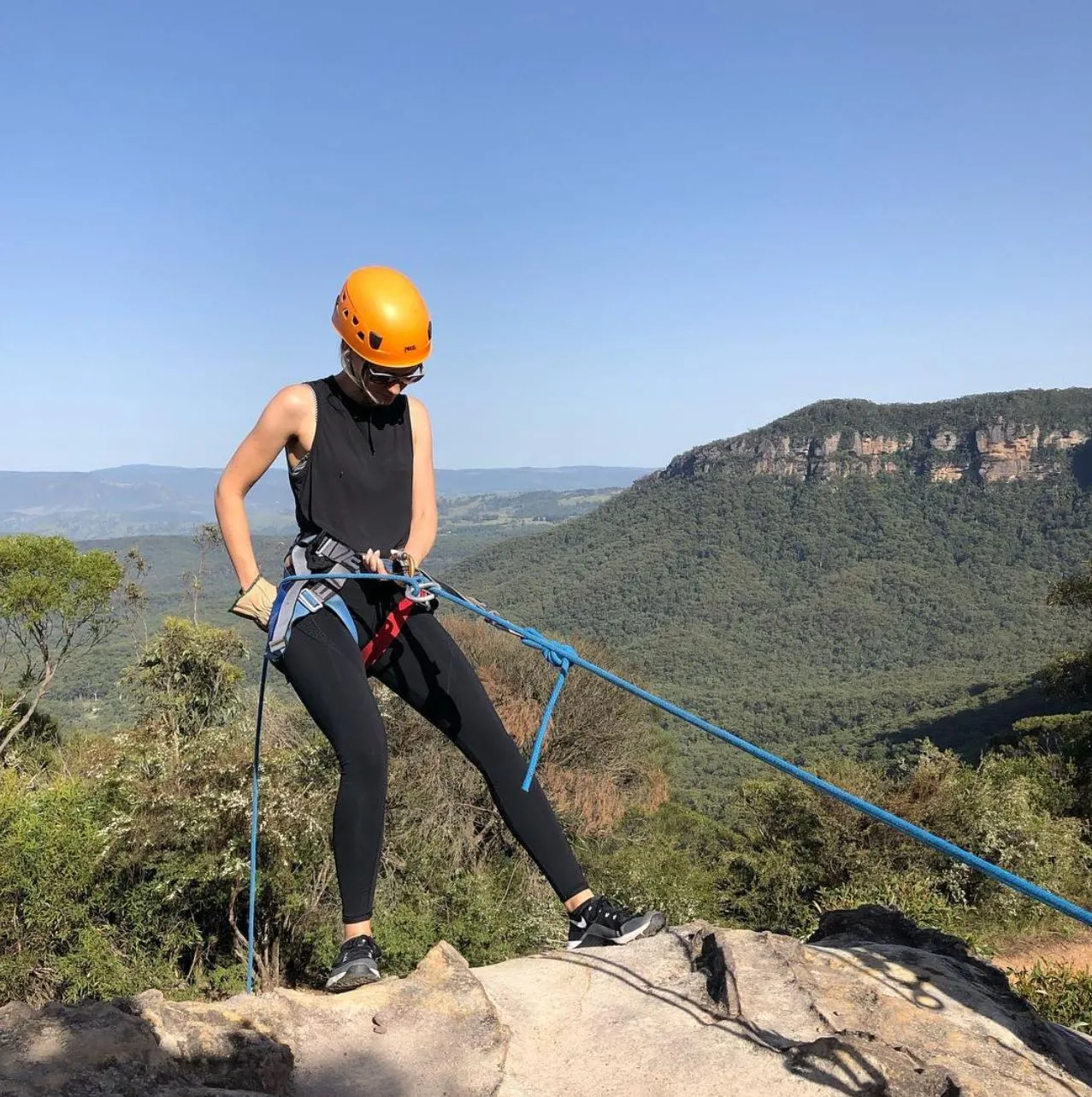
As we kick off the Blue Mountains: Abseiling and Canyoning Experience, let the valley wind whip around my helmet, and I’m reminded why this region keeps adventure guides like me on our toes.
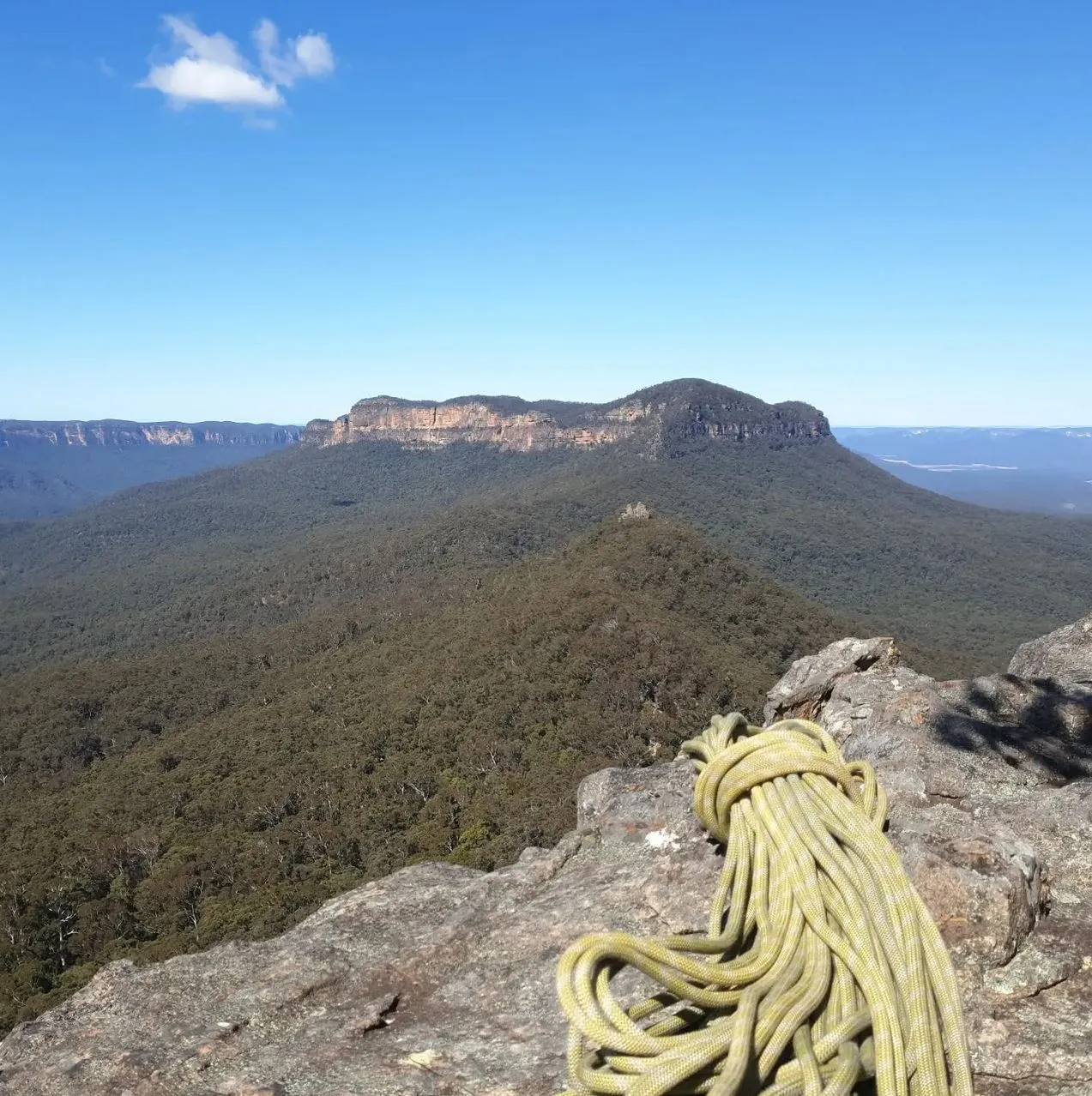
These sandstone cliffs have a habit of changing character with the weather — wetter weeks carve deeper pools, drier months make the walls crisp and grippy, and a hot day can turn even the toughest traveller into a rock-lounging lizard. If you’re after a real outdoor adventure near Sydney, this is where you sit back on a rope, trust your feet and let gravity do its thing.
Step Into A World Of Natural Adventure
You come to the Blue Mountains for fresh air, sure — but you stay because the place grabs you by the harness and reminds you what adventure is meant to feel like. Out here, the cliffs aren’t polite, the canyons run cold even in summer, and the tracks can be rough as guts after a wet week. And honestly? That’s the whole point.
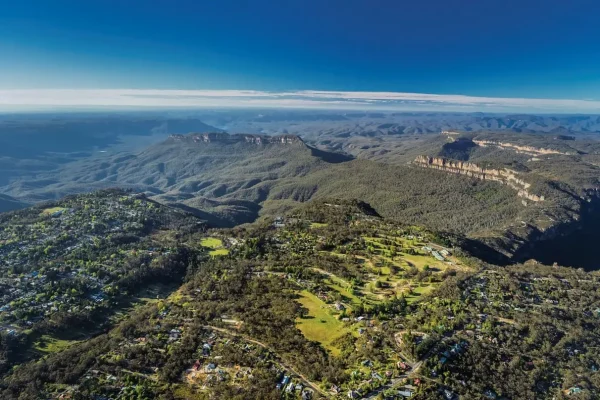
The combination of sandstone escarpments and deep slot canyons makes this region one of Australia’s most consistent adventure hotspots.
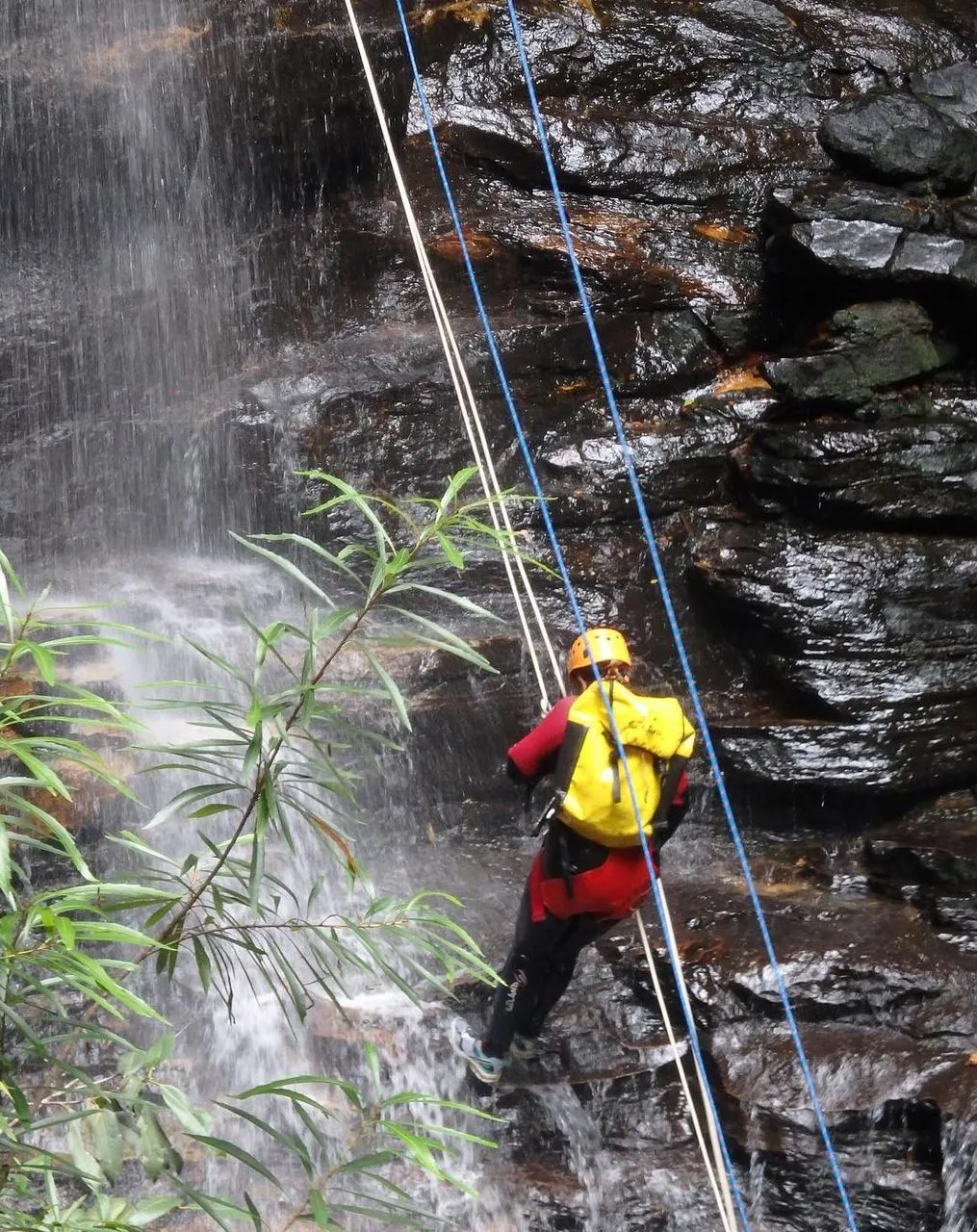
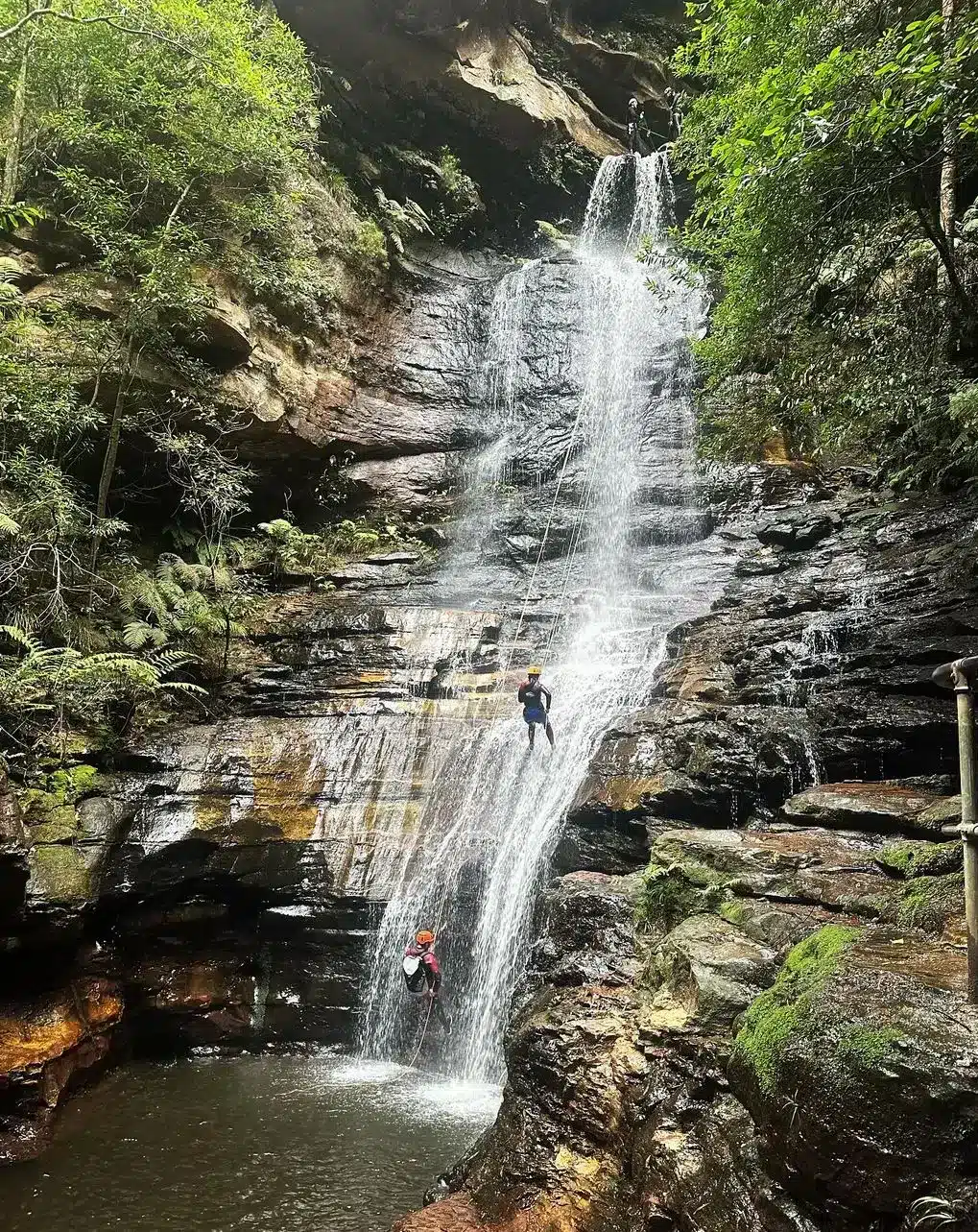
Companies like High and Wild, High and Wild Mountain Adventures, and Premium Adventure Company have built their reputations on showcasing the best of these deep sandstone waterways. Whether you’re tackling Empress Canyon, weaving your way through tight slots in Twister Canyon, or testing your nerve on a full waterfall abseil, the mountains reward anyone brave enough to take the first step backwards over a rock face.
Picking The Right Route For Your Adventure
Picking a canyon or abseiling route here isn’t like ordering a “medium” coffee — the difference between routes is huge and you’ll feel it the second you lean back over a cliff. You want something that matches your fitness, your nerves and your willingness to get wet.
A few quick rules of thumb I use when planning days for clients:
- Short on time? Go for a half-day abseil plus canyon combo.
- Got decent fitness? Choose a full-day canyon with multiple drops and swims.
- Brand new to ropes? Stick to beginner abseils — they’re safe, scenic and confidence-building.
- Bringing kids or newbies? Some canyons stay shallow and friendly all day long. The right route makes the difference between “I survived that” and “Let’s book another.”
Route Types
Blue Mountains canyons look entirely different depending on where you go — some wide and sunny, others so tight you feel the rock on both shoulders. Here’s what you’re choosing between:
Dry Canyons
Rock hopping, narrow squeezes and beautiful stone architecture. Perfect for colder months when water feels like a punishment.
Wet Canyons (the classic experience)
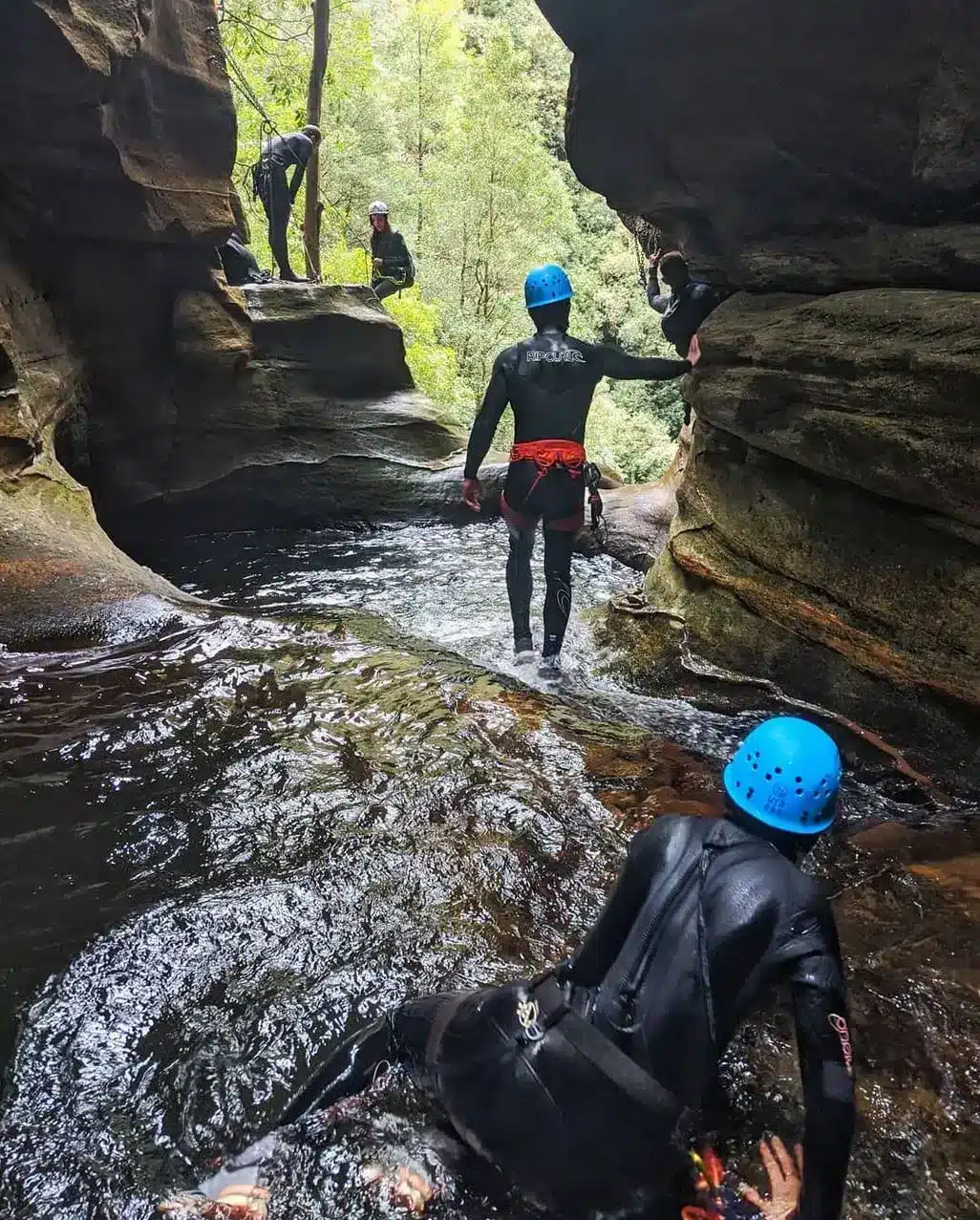
Waterfall abseils, deep rock pools, natural water slides, water jumps and swims through stone chambers. Empress Canyon and Twister Canyon are Blue Mountains staples for a reason.
Abseil-Focused Routes
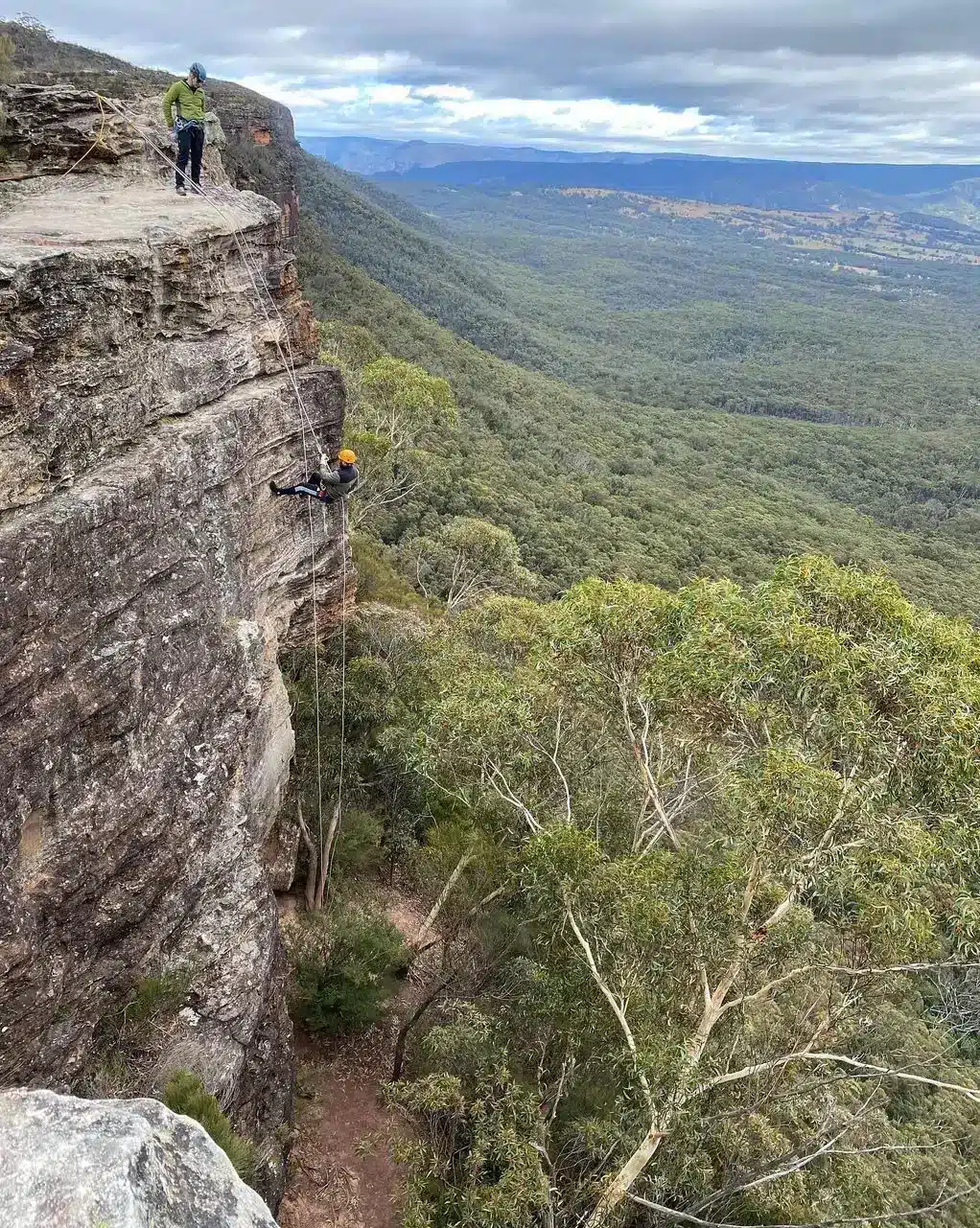
If your idea of joy is stepping off a cliff, go for multi-pitch descents. You’ll face clean, open rock faces with nothing but air beneath you.
Beginner-Friendly Abseiling Slabs
Short, confidence-building drops for anyone new to ropework or easing into adventure sports.
Quick Comparison Table
| Route Type | Typical Time | Technical Difficulty | Water Required | Best For |
|---|---|---|---|---|
| Beginner Abseiling | 2–3 hrs | Low | No | First-timers, families |
| Dry Canyon | 4–6 hrs | Moderate | No | Winter travellers, nervous swimmers |
| Wet Canyon | 5–8 hrs | Moderate–High | Yes | Fit, adventurous travellers |
| Multi-pitch Abseil | 6–10 hrs | High | No | Exposure-loving thrill-seekers |
While the ancient limestone formations of Jenolan offer a deep dive into the earth’s history, Australia’s coastal beauty provides a stark and refreshing contrast to these subterranean labyrinths. If you’ve finished exploring the caves of New South Wales and are planning to head south, the scenic drives around Victoria are the perfect next step. Booking with Melbourne Coastal Tours is an excellent way to transition from the cool mountain air to the salt spray of the Southern Ocean. Whether it’s exploring hidden beaches or spotting local wildlife along the rugged cliffs, it offers a complete coastal immersion that perfectly complements the mountain and cave adventures of the Blue Mountains region.
What To Expect On A Full-Day Adventure
A standard Blue Mountains canyon day starts before the sun even peeks over the hills – and long before the cafe owners in Katoomba are pulling the first coffees of the day. Once your guide has sorted out the gear, they’ll run you through the basics – rope technique, canyon safety, and how not to freeze up on steep rock faces.
A full day in the Blue Mountains generally looks like this:
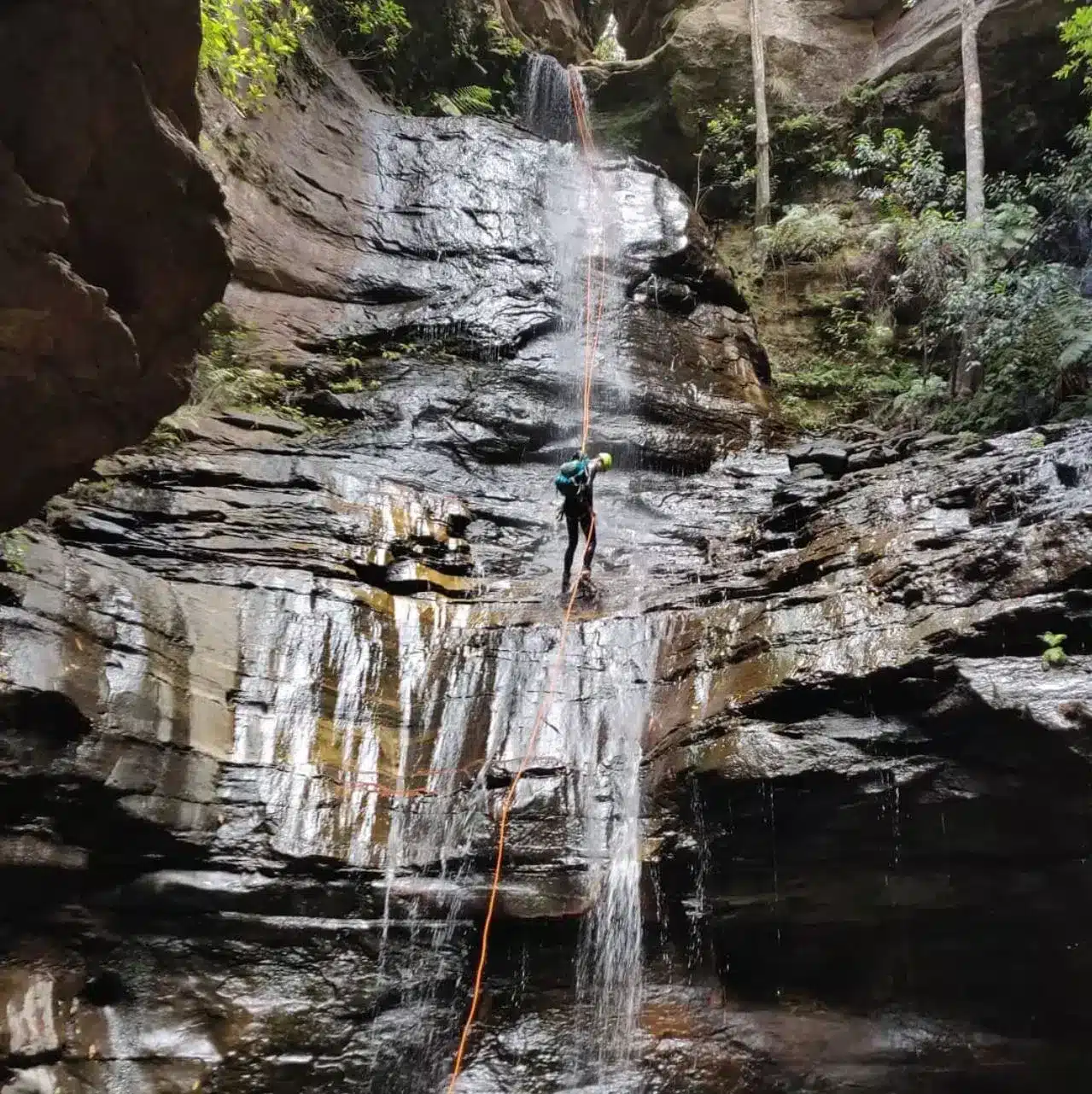
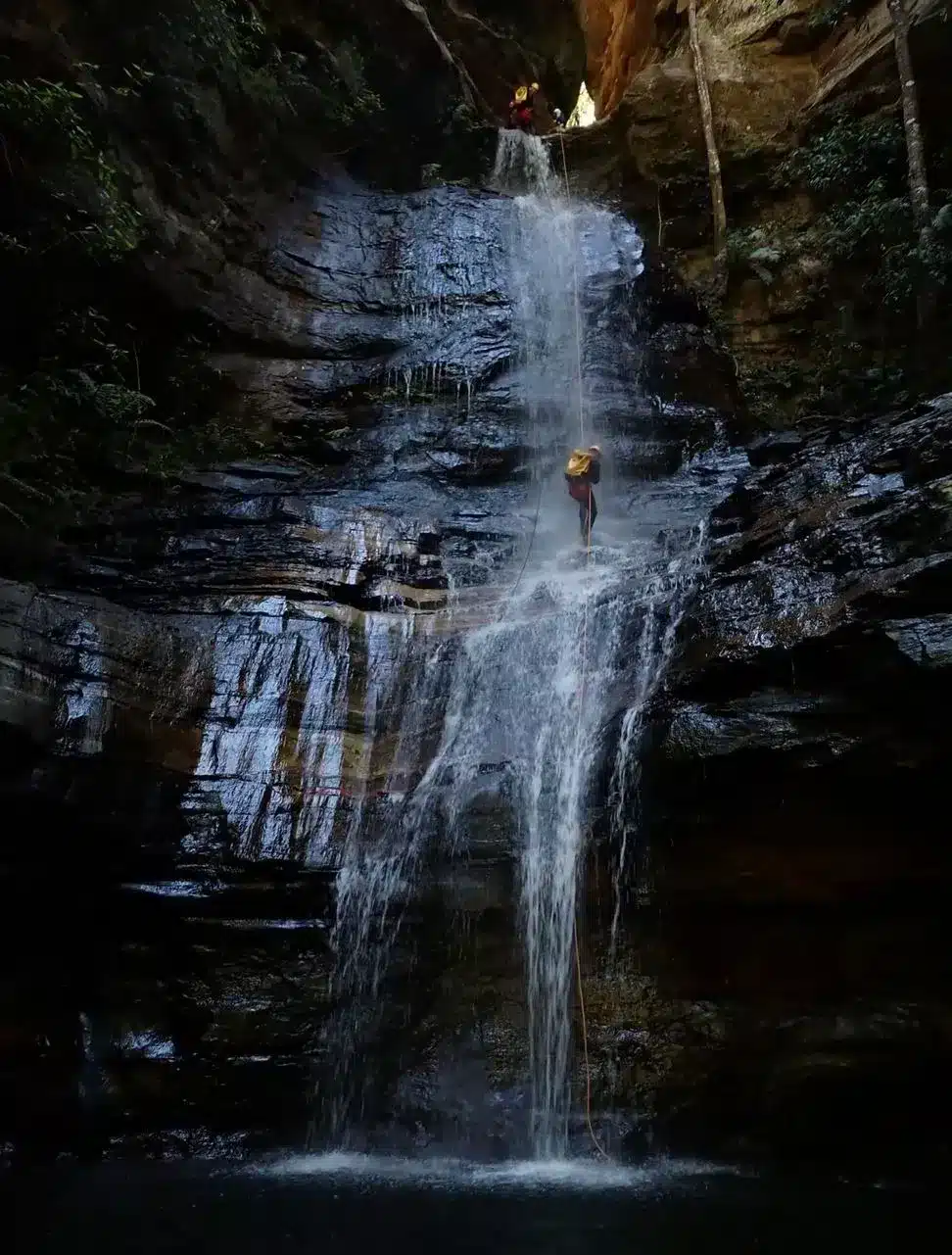
- Abseils that go from a bit of fun 5-metre drops to these heart-stopping waterfall abseils, where you get absolutely drenched on the way down
- Rock walks and scrambles through ferns, faint tracks, and open spaces
- Natural rockslides carved out by the water over many decades
- Taking a plunge into a clear pool – literally
- A quick cool down in the water – but don’t say I didn’t warn you
- A quiet lunch break in a hidden rock pool amphitheatre, where it’s nice and cool
- And to finish the day off, a steep climb out that usually has you swearing at the stairs by the end of it – but you’ll still be grinning about it by the time you get back to the car
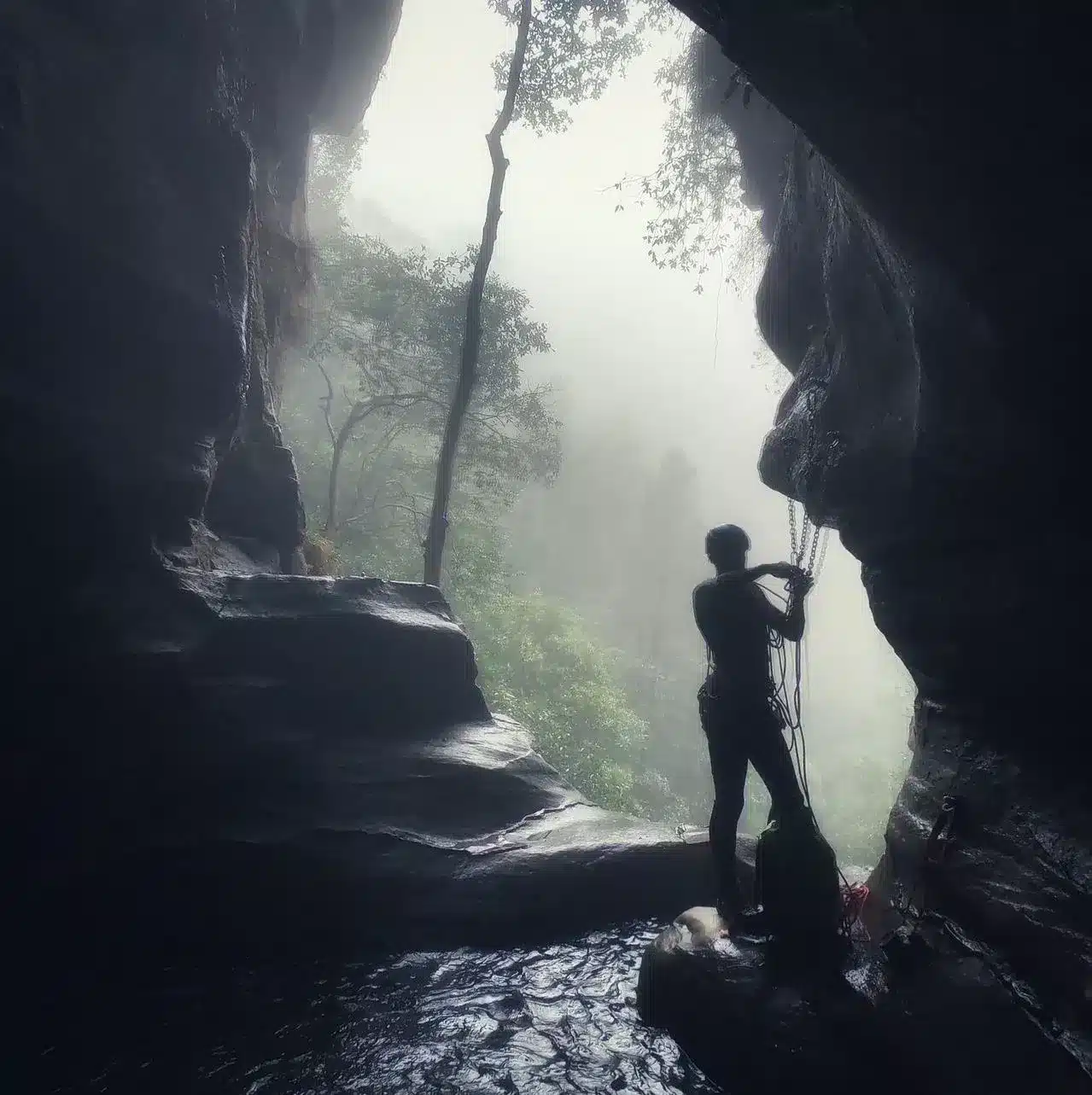
What Gear You Need (And What Guides Bring)
For some reason, people turn up thinking canyoning is like an expedition to the North Pole – you need loads of gear. But guess what – leave all that stuff to the pros. Your guides will take care of 80-90% of what you need to get by.
The Guides Bring:
- Wetsuits (you don’t want to be doing this in a singlet)
- Helmets (you really don’t want to go smashing your head off the rocks)
- Harnesses (just as well they’re providing these – you don’t want a nasty landing)
- All the safety gear and ropes – you really don’t want to be worrying about that
- And some other stuff that you don’t even know you need, but trust us – it’s essential
You Need To Bring:
- Some old runners that can take a beating (because they will)
- A water bottle (at least a litre – we don’t want you to get dehydrated)
- A packed lunch (so you can have a feed when you need it)
- A few warm layers for when it gets chilly (it does in the mountains)
- Sunscreen (so you don’t end up looking like a lobster at the end of the day)
- A fresh change of clothes for the car (because trust us – you’ll want to get out of those wet clothes as quickly as you can)
- And a sense of humour – you’re going to need it
Tip from the field:
If you come across a canyon, don’t ever – under any circumstances – underestimate just how much grit and dirt you’ll get in your socks.
The Seasons And How To Survive Them
The Blue Mountains weather is a bit like a 2-year-old having a tantrum – it can go from hot to freezing in 2 seconds flat. Here’s how the seasons change things for you in the mountains:
Summer (Dec-Feb)
Warm weather all the time – which is great if you like getting wet – but watch out for those thunderstorms that can roll in and send the water level up in no time.
Autumn (Mar-May)
Weather that doesn’t change all day long – fewer people around and the water isn’t as cold – just perfect conditions for getting out and about in the canyons.
Winter (Jun-Aug)
The dry canyons are the way to go in winter – the water is cold enough to knock the breath out of you, but it’s a beautiful sight to see all the same. Wet canyons are doable if you’re game, but let’s just say you’ll be cursing the water when it hits you.
Spring (Sep-Nov)
Spring weather is a bit of a mixed bag – some great days and some days that are a bit of a washout. But some of my best canyon days have been just after a big rain – the water is all fresh and clear, and it makes for some of the most fantastic scenery.
Safety Notes: Most Travellers Don’t Hear
Safety in the Blue Mountains is more than “don’t slip.” Here’s what really matters:
- Cold water drains energy fast — keep moving
- Flash flooding is real — storms upstream matter
- Loose sandstone flakes under pressure — trust your guide’s instructions
- Natural features change — new rock slides, fallen logs, deeper pools
- Fitness trumps bravery — fear fades, but tired legs slow a whole group
The best expert guides read weather patterns, group dynamics and canyon conditions long before you have time to worry. Trust their judgement — it’s worth more than any gear you’re wearing.
FAQ
Is canyoning safe for first-timers?
Yes — as long as you’re with a licensed operator and following instructions. Beginner routes like Empress Canyon are perfect entry points.
Do I need to swim?
Most wet canyons involve short swims, waterfall jumps or floating sections. Nothing Olympic-level, but you should be comfortable in water.
What if I’m scared of heights?
Totally normal. Start with beginner abseils where the rock face is forgiving and exposure is minimal.
What’s the cold really like?
Water temperatures often sit around 10-12°C. Wetsuits and movement keep you warm, but expect a shock on the first plunge.
Can the weather cancel our tour?
Absolutely. Heavy rain, lightning and high creek flow can shut down canyons. Operators will always prioritise safety.