Blue Mountains Botanic Garden, Mount Tomah
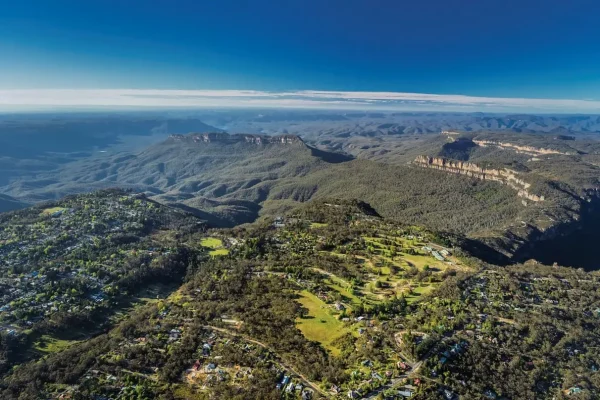
Let the sandstone breeze roll across the ridge as we wander into the world of Blue Mountains Botanic Garden, Mount Tomah, I’m reminded how different this place feels compared to the valleys below.
This garden sits high in the UNESCO World Heritage Area, on a basalt-capped peak that shapes everything you see—from cool-climate conifers to remnant rainforest that clings on like old mates weathering the cold. It’s one of those mountain-top landscapes where you breathe deeper, walk slower and realise just how much life thrives in cold air.
Finding Your Bearings Up Here
Sitting roughly 1,000 metres above sea level on the northern edge of the Blue Mountains, the garden wears every icy gust the mountains can throw at it. That’s why the cool climate collection thrives here—plants that fold like cheap tents in Sydney’s heat stand proud on this high plateau.
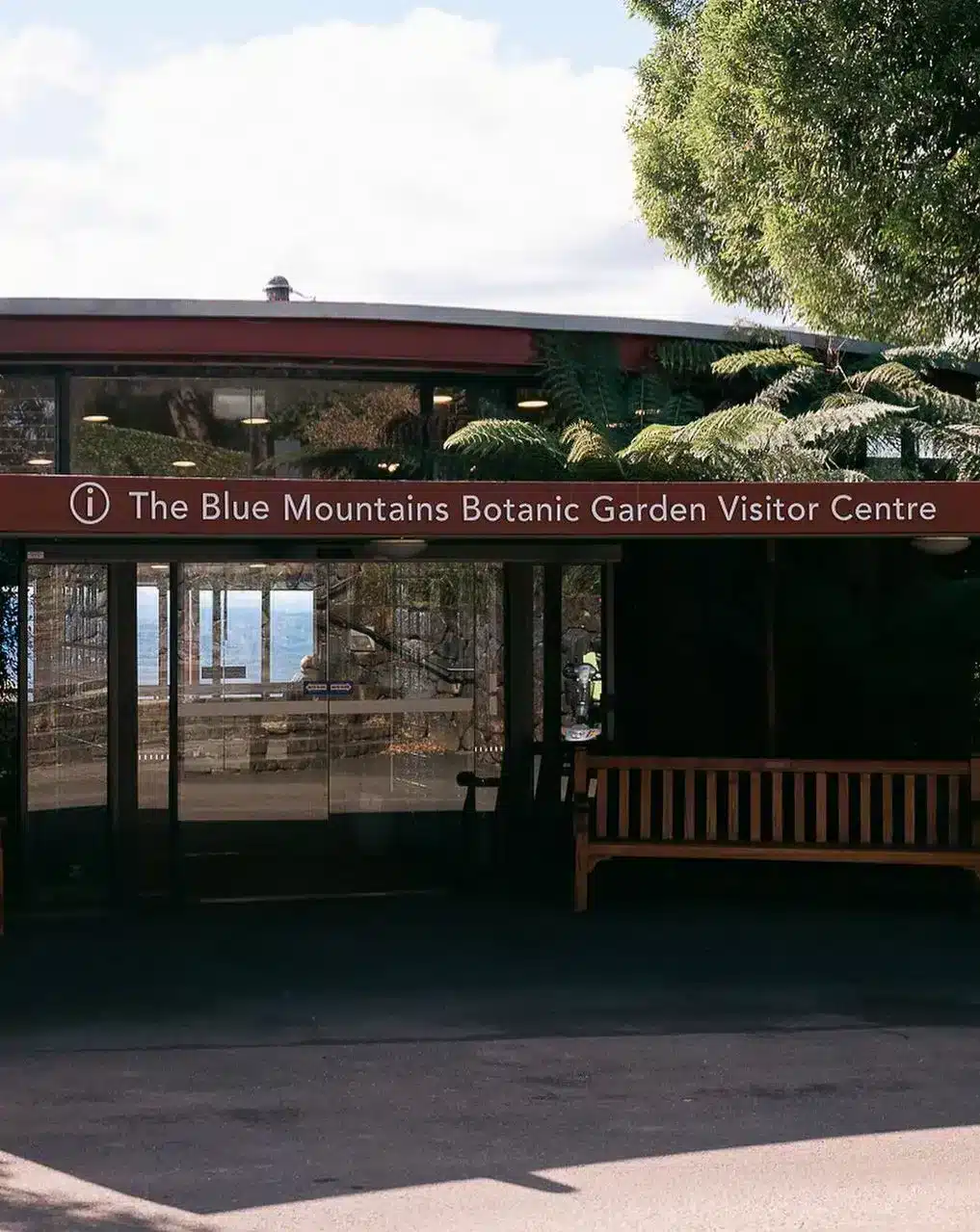
The visitor centre is the gateway to the property, with Plain English signage, maps, safe walking advice and details on guided tours if you want expert hands to lead the way. When I first visited years ago, I nearly blew straight past the turnoff—blame the Bilpin apple pies—and ended up halfway to Lithgow before I realised. Don’t be like me. The turnoff is clear, but the scenery is distracting.
Location Snapshot
- Region: Mount Tomah, along Bells Line of Road
- Elevation: ~1,000 metres
- Travel from Sydney: ~1 hour 45 minutes
- Nearby stops: Bilpin orchards, Mount Wilson, Kurrajong Heights
- Parking: Free, but busy on autumn weekends
Quick Reference Table: Distances & Travel Times
| Starting Point | Kilometres to Garden | Approx. Drive Time | Notes |
|---|---|---|---|
| Sydney CBD | 110 km | 1 hr 45 min | Bells Line of Road – more scenic, fewer road trains than the highway |
| Katoomba | 60 km | 1 hr 10 min | Expect fog and slow bends |
| Windsor | 45 km | 50 min | Easiest approach from Sydney’s northwest |
| Lithgow | 40 km | 35 min | Coldest approach, watch winter black ice |
These figures are based on Transport for NSW regional route data and align well with my own lived driving misadventures on this stretch.
Exploring The Garden’s
The Blue Mountains Botanic Garden Mount Tomah covers 252 hectares—big enough to make you wish you’d paid more attention to the map at the Visitor Centre. The garden sprawls over terraces, long sweeping lawns, gullies, forest edges and a few sneaky dead ends that’ll have you backtracking like you’re in a Box Hedge Maze.
But here’s the good news: the paths are well signed and the key collections are clustered. Once you get your bearings, it’s a great place to meander.
You’ll see everything from ancient Gondwanan species to modern ornamental favourites. The garden’s high elevation and volcanic soil mean you’ll see plants thriving here that would cook, wilt or sulk in Sydney.
Collections to Find
- Gondwana Forest Walk: One of my favourite loops—lush, shaded and rich with plant lineages older than your grandparents’ gardening gloves.
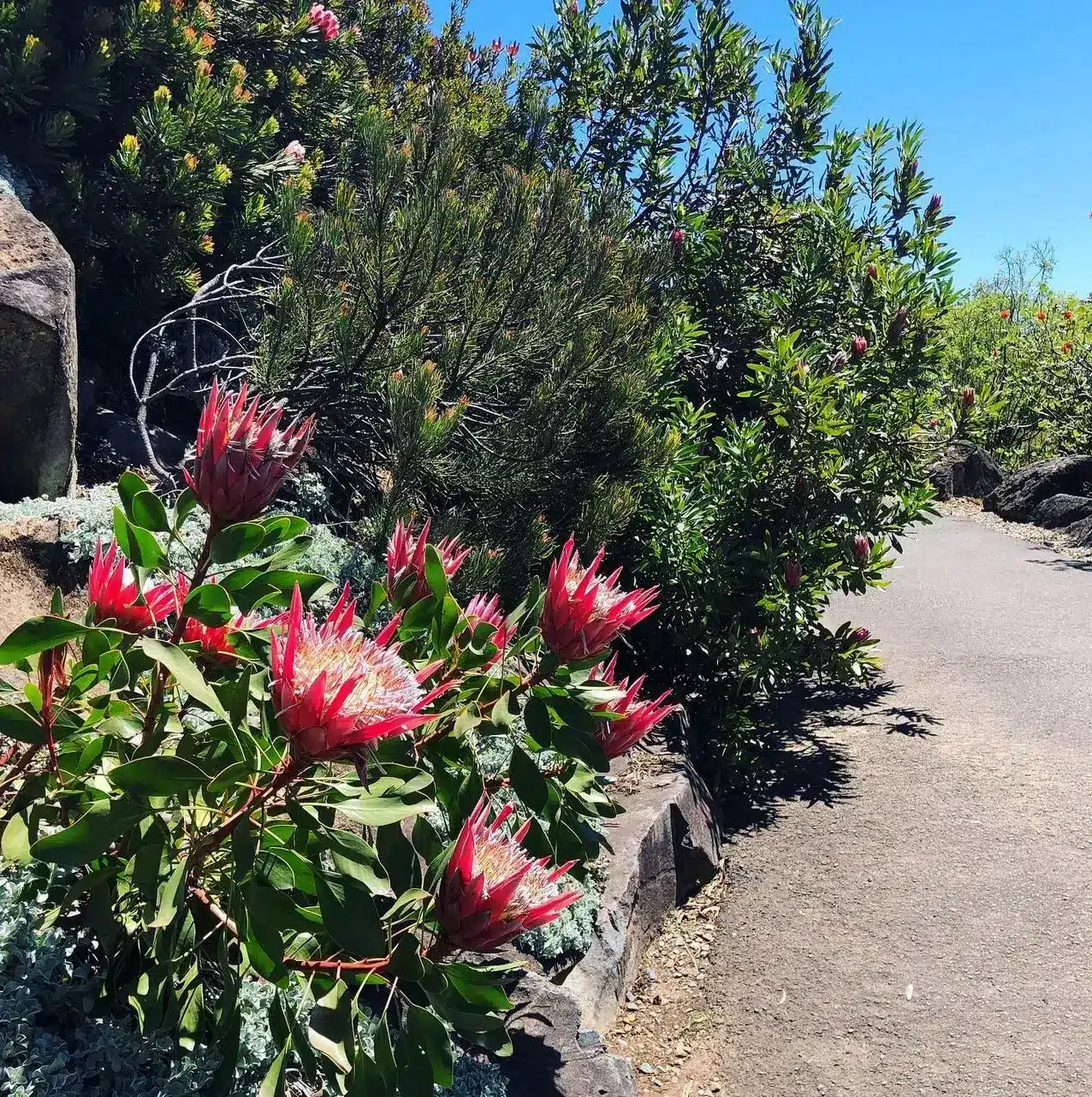
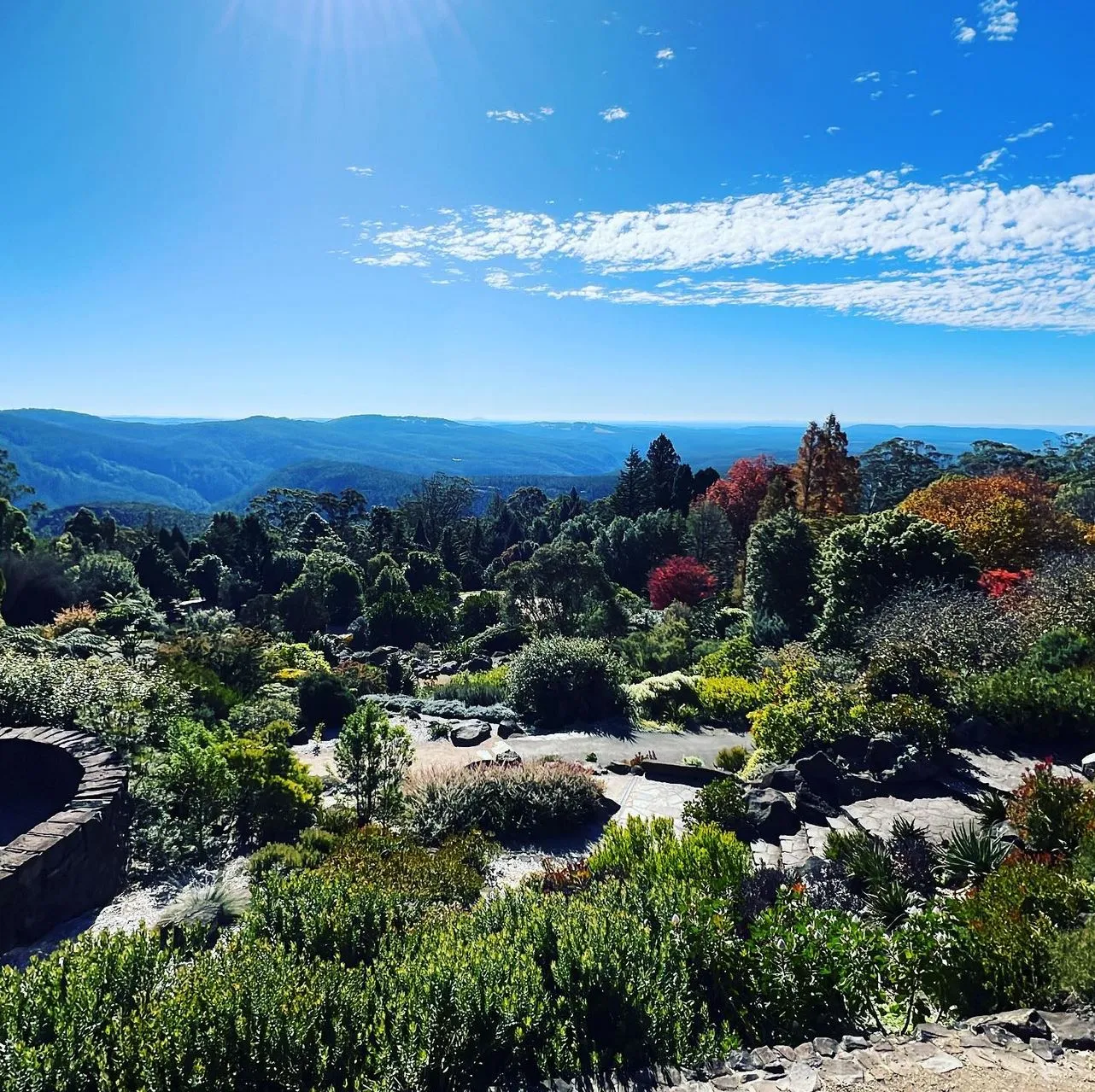
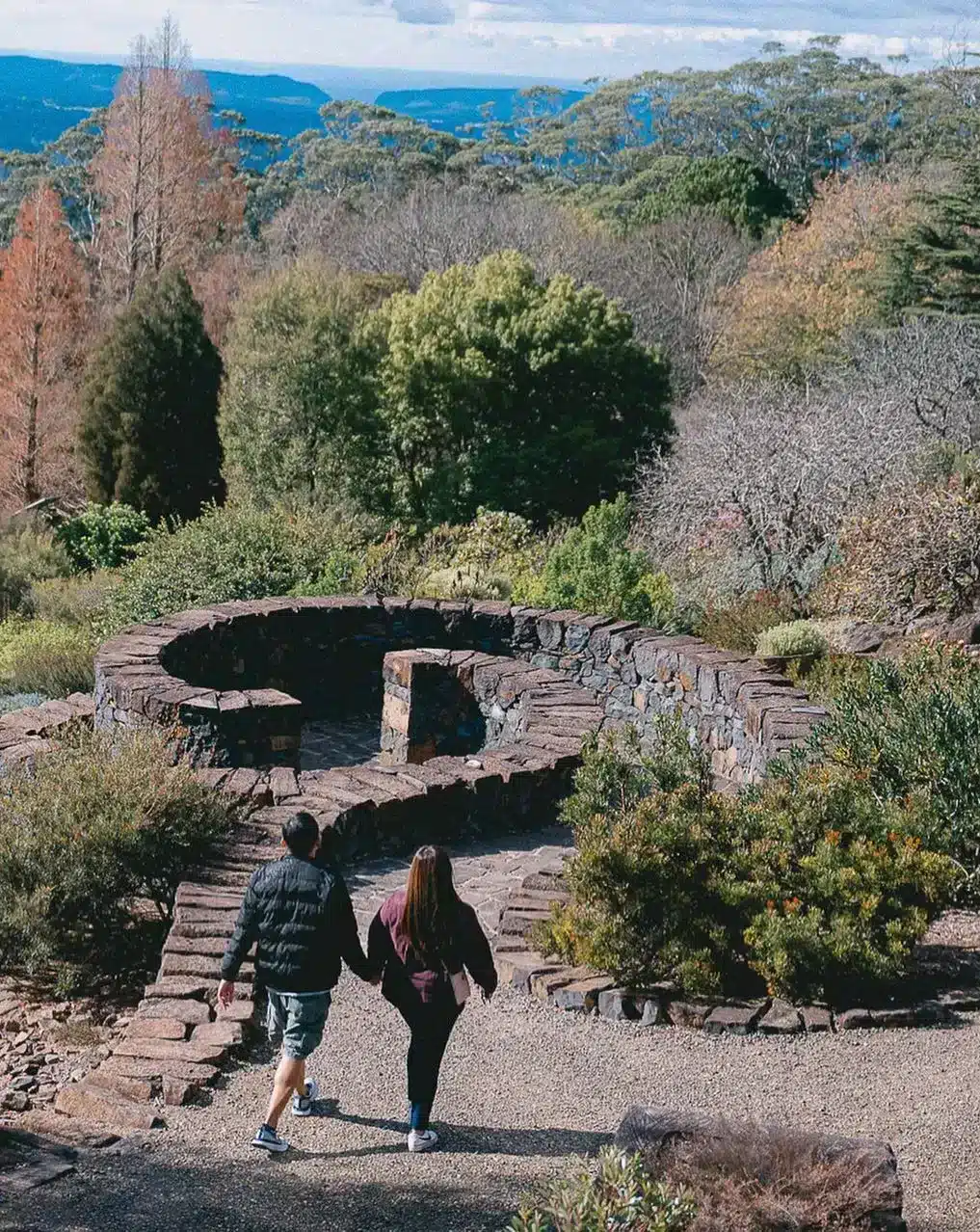
- Rock Garden: Great for photography and spotting hardy alpine species.
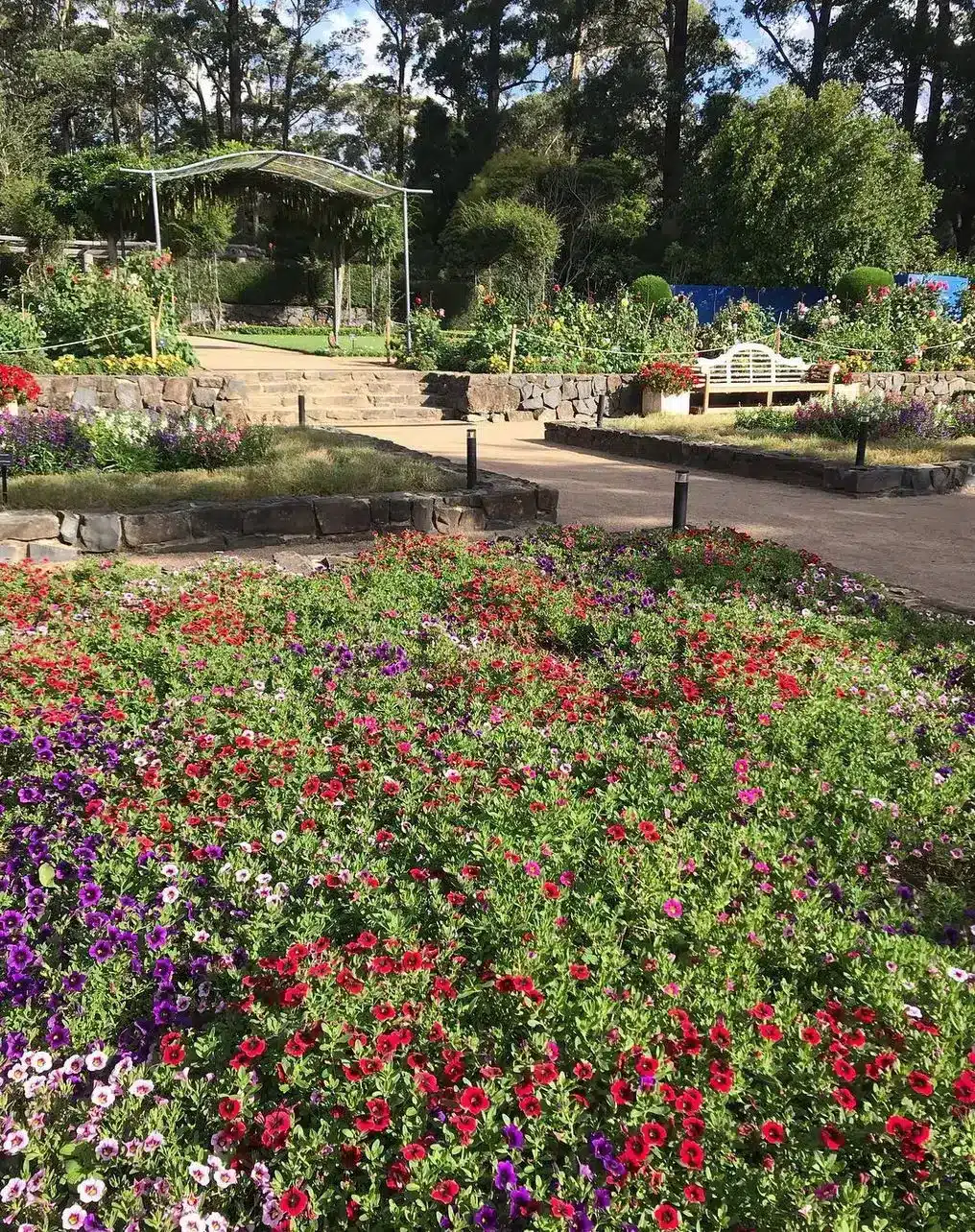
- Rhododendron and Magnolia Beds: Spring showstoppers; bring tissues if you get emotional around flowers.
- Woodland and Heath Garden: Good for slow walkers and families—flat, open areas with plenty of benches.
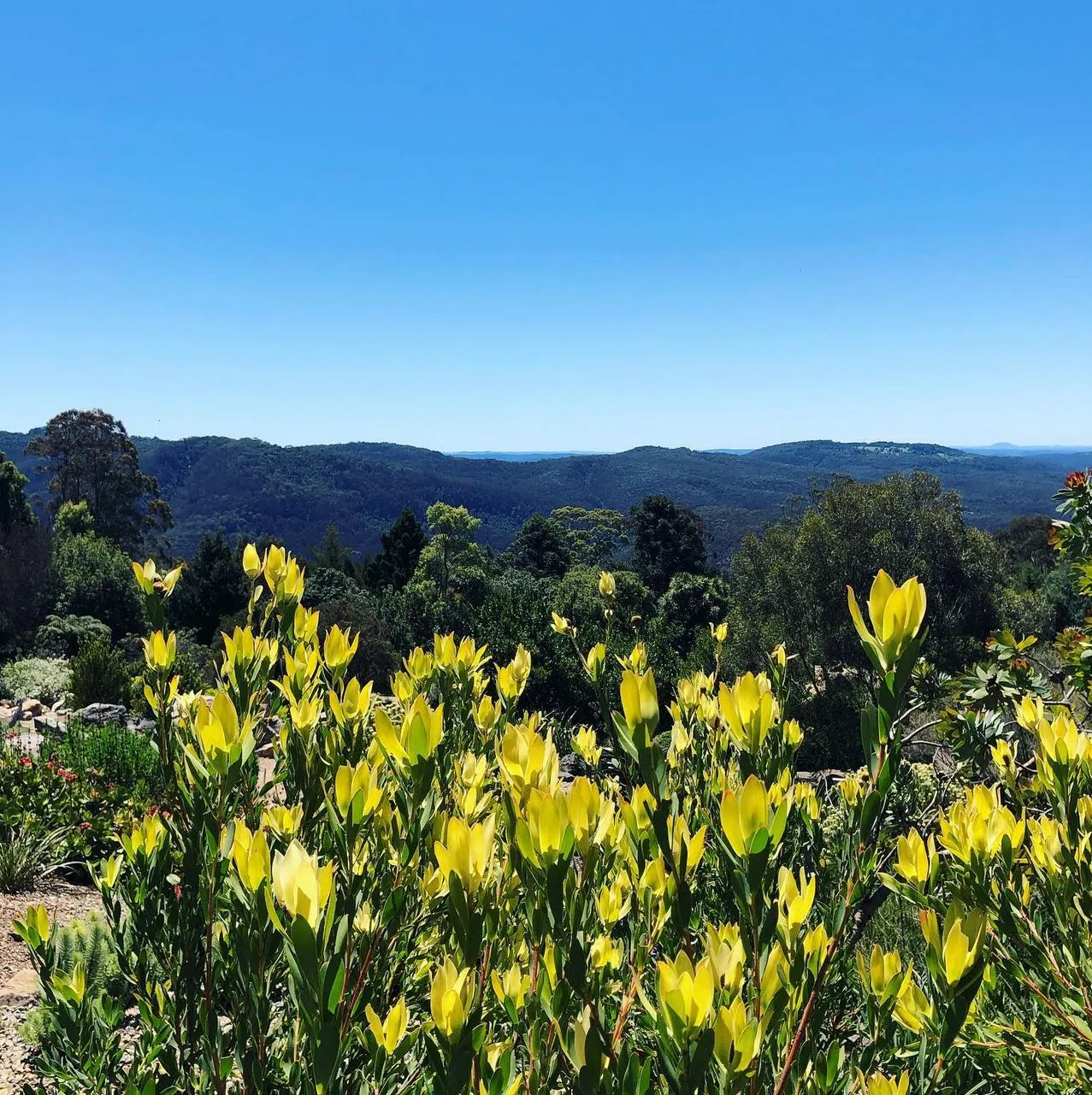
- The Brunet Pavilion and Viewing Platform: Sweeping mountain views without the crowds of Echo Point.
Local Tip
When in doubt, walk downhill first, then slowly loop back. The descent is easy, but that climb back will remind your calves what altitude does.
How to Navigate the Seasons Like a Local
The garden doesn’t just “have seasons”—it lives them. Up here, you can get frost in November and a wind so sharp it’ll cut straight through that “waterproof jacket” you bought on sale without reading the reviews.
Each season tells a different story, and if you time your visit like a local, you’ll catch the garden at its best.
What Each Season Actually Feels Like
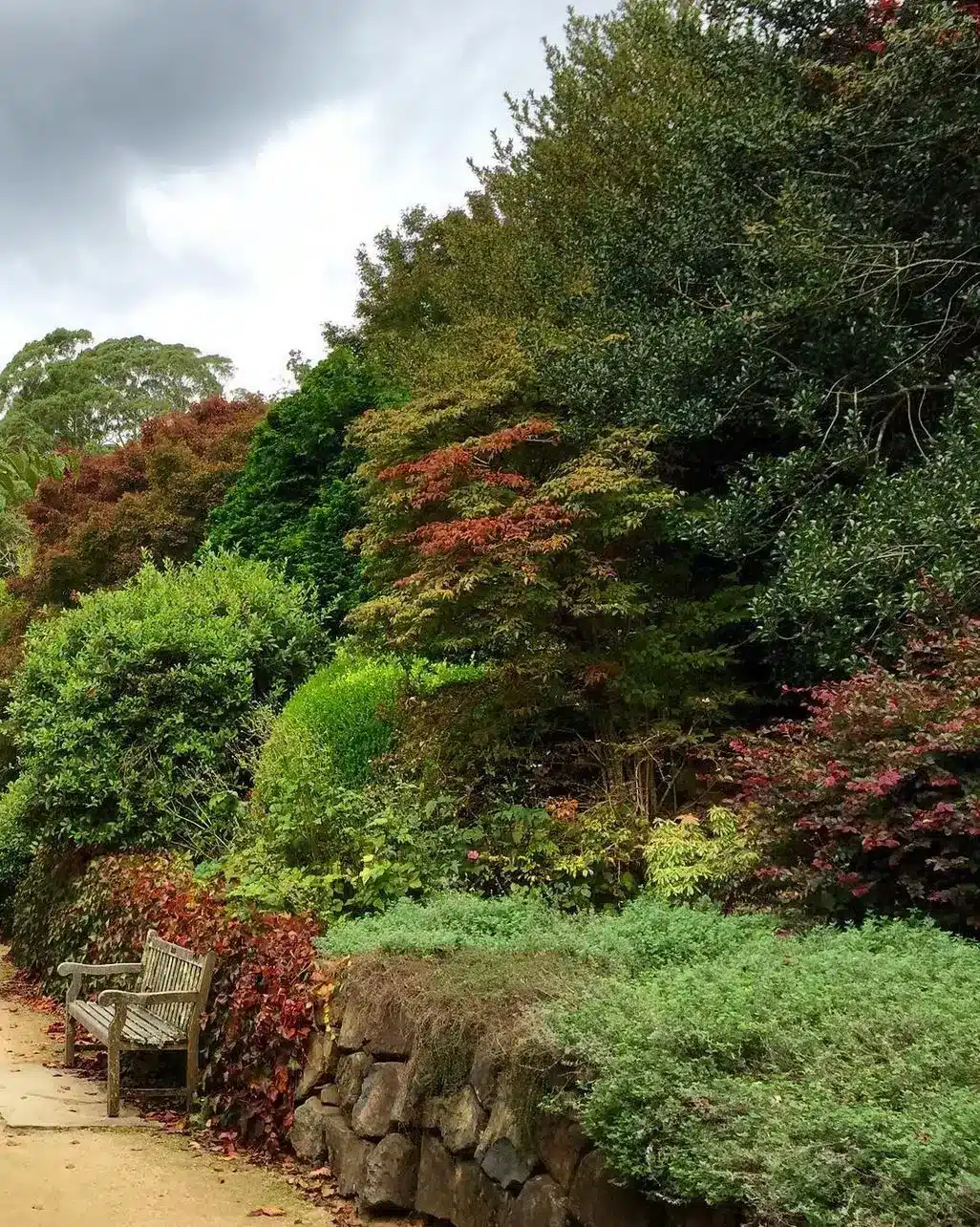
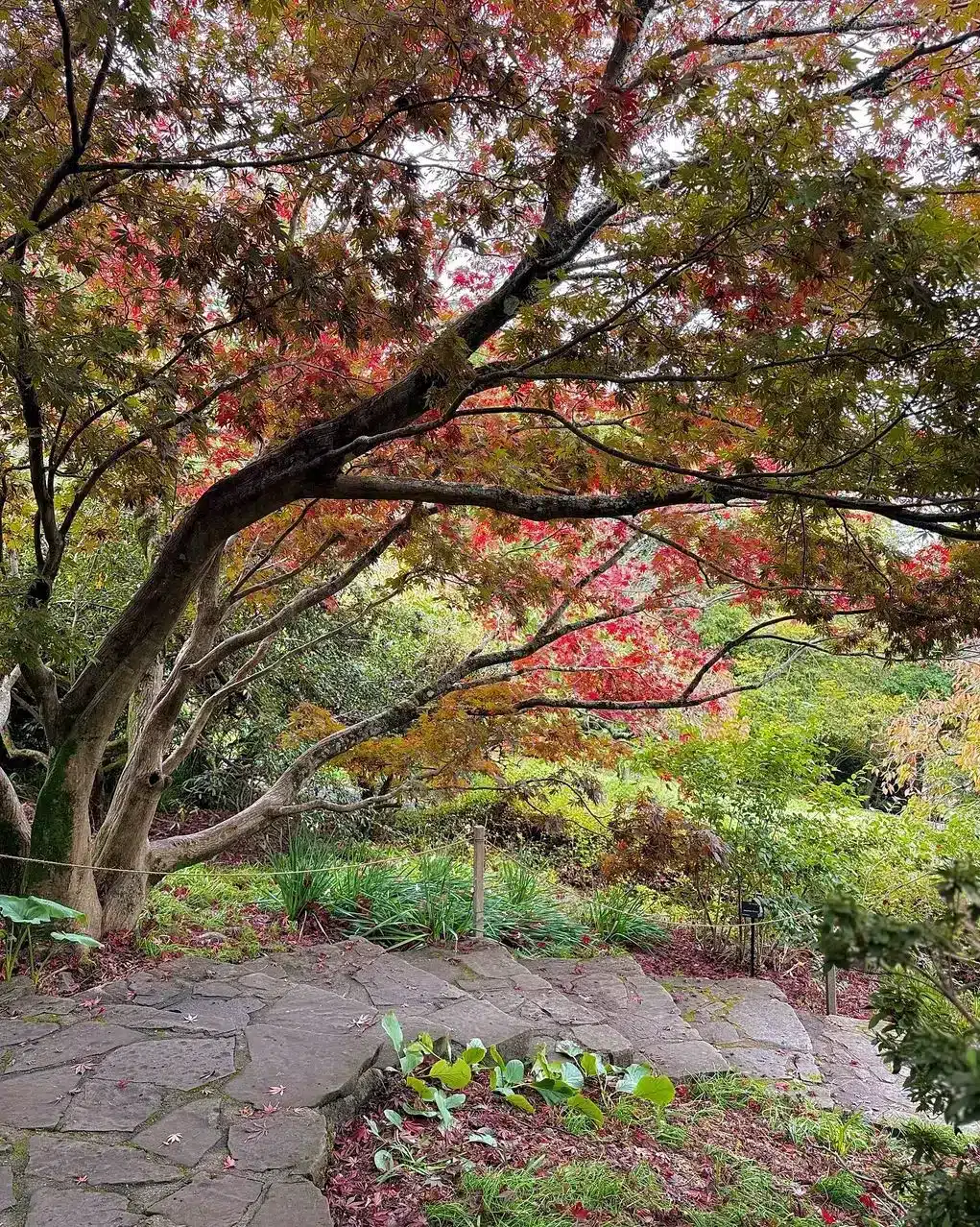
- Autumn (March–May): The show-off season. Leaves go full flame, and photographers behave like they’re on safari.
- Winter (June–August): Cold enough to freeze your billy. Expect sub-zero mornings, fog thick as custard and rare but possible snow.
- Spring (September–November): Rhododendrons, blossoms and a sense of “we made it through winter” relief.
- Summer (December–February): Mild compared to the plains furnace and fewer crowds after Christmas.
Local Tip
If the weather forecast says “chance of fog”, assume visibility will drop to “what tree?” Bring layers, a beanie and respect for mountain weather that changes faster than your mate deciding where to eat.
Tourists on a Blue Mountains Tour are always amazed at how quickly the weather changes here—layers are your best friend.
Easy Walks For Little Legs
One of the main reasons I love bringing families here is that the garden has this air of adventure without feeling like you’re being marched off somewhere. Kids can just run around, roam, and climb over rocks without worrying about hurting themselves, while adults can take in the scenery without breaking a sweat – unlike when you’re hiking the Gibb River Road in the blistering heat.
Easy Trails To Tackle
- Formal Garden Loop: Nice and wide, stroller-friendly if you have a pram.
- Rainforest Walk: A bit shady, just the right amount of humidity – perfect for curious kids to explore.
- The Lady (Nancy) Fairfax Walk: A gentle stroll with great views – perfect for a picnic.
- Heath & Woodland Trails: Very little effort needed here, plenty of open space to wander around.
What Makes These Walks Work So Well
- Clear signposting you can actually understand
- Those super slip-resistant floors in key indoor areas will make you feel a lot safer than those dodgy old carpeted steps you’d usually find.
- Big open lawns for when the kids just need to let off some steam – and no one gets in the way.
- Amenities are easy to get to, too.
- And the paths are all step-free, making it easy to get around.
When I was running tours here, no matter how big the garden was, our guests always said it was easy to explore without feeling overwhelmed. That’s pretty rare for a place this size.
A Cuppa And A Bite To Eat
After a good hour or so of walking, the café really starts to look like a haven. Trust me, at 1,000 metres high, a hot cuppa tastes way better than it should.
The Tomah Garden Café
- A warm bowl of soup in winter should hit the spot.
- They’ve got decent lunch options to fuel you up for more walking.
- Quality coffee – you can’t go wrong with that.
- Indoor seating, outdoor seating, and the views over the UNESCO World Heritage Area are pretty nice, too.
If you’re heading back the way you came via Bilpin, don’t forget to grab:
- A slice of apple pie
- A fresh jug of cider
- Some local honey
- Stone fruit in summer – that’s a treat.
If you know, you know.

Tips & Tricks To Save You From Disaster
I built these tips from years of running tours and groups here – and from mistakes I learned the hard way (2016, anyone).
Getting Dressed
- Always, always, always layer up – the weather changes fast.
- Bring a rain jacket – you’d be surprised how quickly the sun can hide behind a cloud.
- And don’t even think about coming in winter without gloves and a beanie – it’s that cold.
Finding Your Way
- Grab that free map from the visitor centre before you head out.
- Maybe download the digital map first (reception can be a bit dodgy, so don’t rely on it).
Safety First
- Even on a cold winter’s day, don’t forget your sunscreen.
- Good shoes are a must – thongs are not your friend here.
- Keep an eye on the fog warnings – you don’t want to get caught out in a pea-souper.
- And for goodness’ sake, keep the kids close if they’re near any steep slopes.
Timing
- Mornings are usually great for the light.
- Late afternoons are pretty good, but it’ll be getting chilly by then.
- If you can, try to avoid autumn weekends – that’s when it gets really crowded.
FAQ
Is the garden wheelchair accessible?
Yes, it is. Most main paths are step-free, there are accessible amenities, and there’s a wheelchair accessible toilet near the entrance and café.
Does Mount Tomah get snow?
Rarely, but when it does, everyone comes running – and it’s not always fun. Frost and fog are a lot more common.
Are guided tours available?
Yep, you can book those through the visitor centre. The staff are pretty knowledgeable about the whole mountain – it’s like having a local guide.
Is the garden good for kids?
Absolutely, it is. There are loads of easy paths, open air for them to run around in, interesting plants to look at, and plenty of space to explore.
Can I hire spaces for events or workshops?
Yes, the garden has some great wheelchair-accessible spaces with incredible views over the UNESCO World Heritage Area.