Can You Sleep Inside Uluru-Kata Tjuta National Park? The New 2026 Overnight Rules Explained
Can You Sleep Inside Uluru-Kata Tjuta National Park? Uluru-Kata Tjuta National Park overnight rules are straightforward in 2026: visitors cannot sleep, camp, or stay overnight anywhere inside the park boundaries. That includes tents, swags, campervans, motorhomes, and sleeping inside a vehicle.
Many travellers assume there might be a quiet corner near Uluru where they can spend the night under the stars. In reality, park rangers actively enforce the regulations, and visitors attempting to camp or sleep inside the park will be moved on.
This is a UNESCO World Heritage Site and a deeply significant cultural landscape, not a destination for overnight camping.
Why You Can’t Stay Overnight
The restrictions exist to protect both the cultural and environmental values of the region.
Cultural Meaning Goes Much Deeper Than It Appears At First Glance
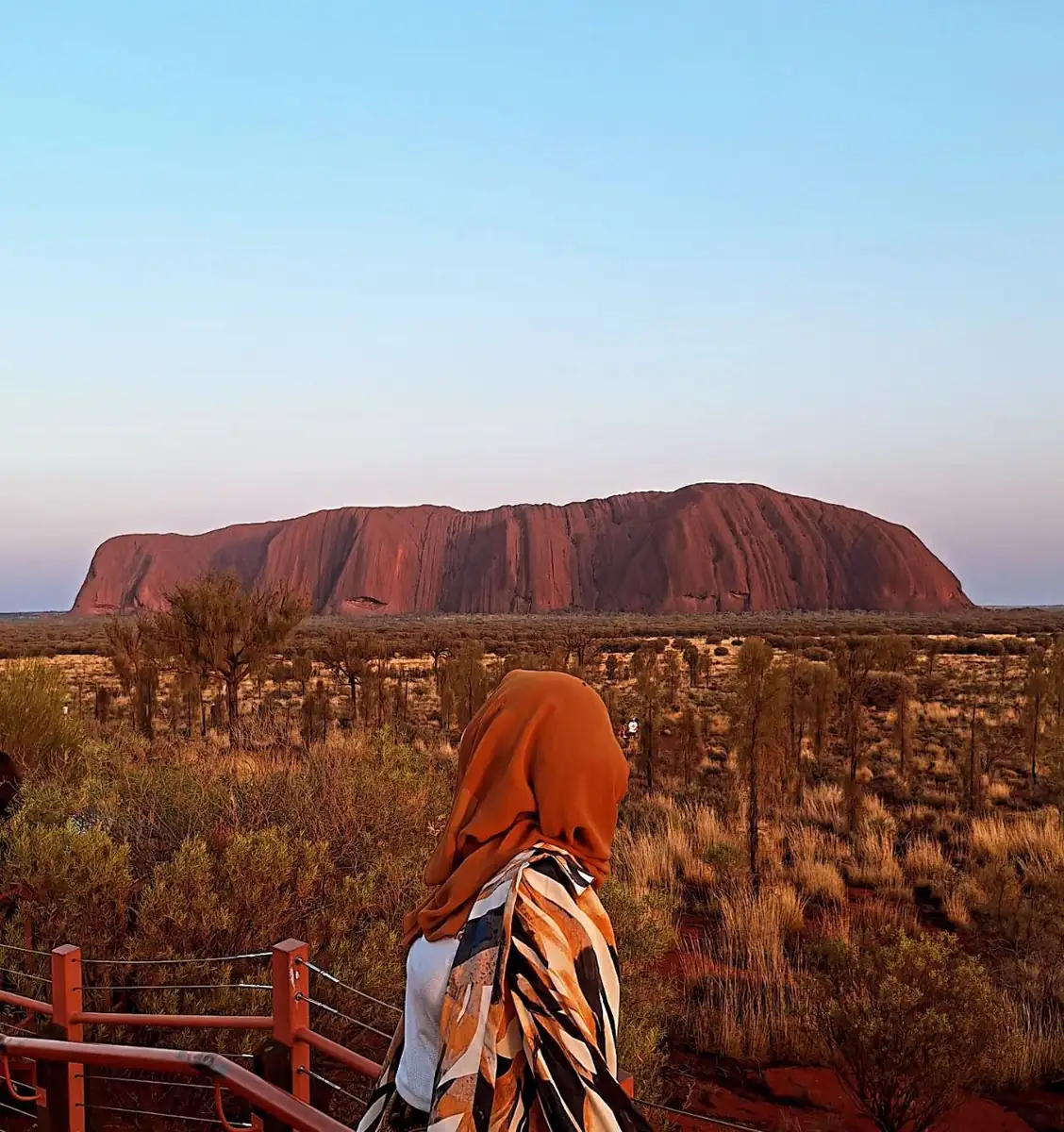
The area is cared for by the Aṉangu Traditional Owners, whose connection to the land extends across generations. Areas that may appear ordinary to visitors often hold important cultural stories, responsibilities, and traditions.
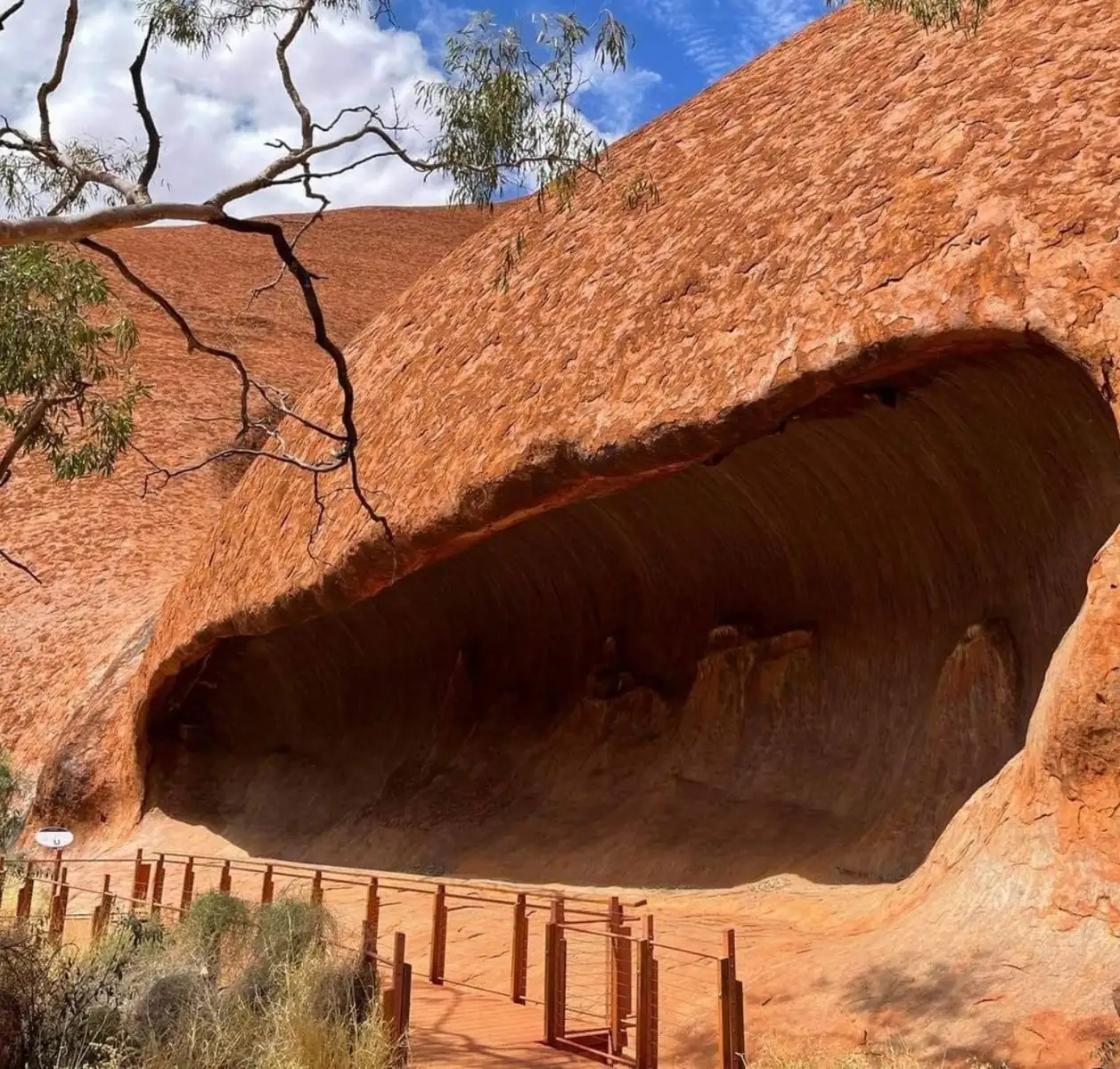
Sleeping overnight within the park conflicts with cultural protocols. Locations near the Mala Walk and around the base of the rock are not simply open spaces; they form part of a living cultural landscape.
The Environment Takes A Long Time To Recover
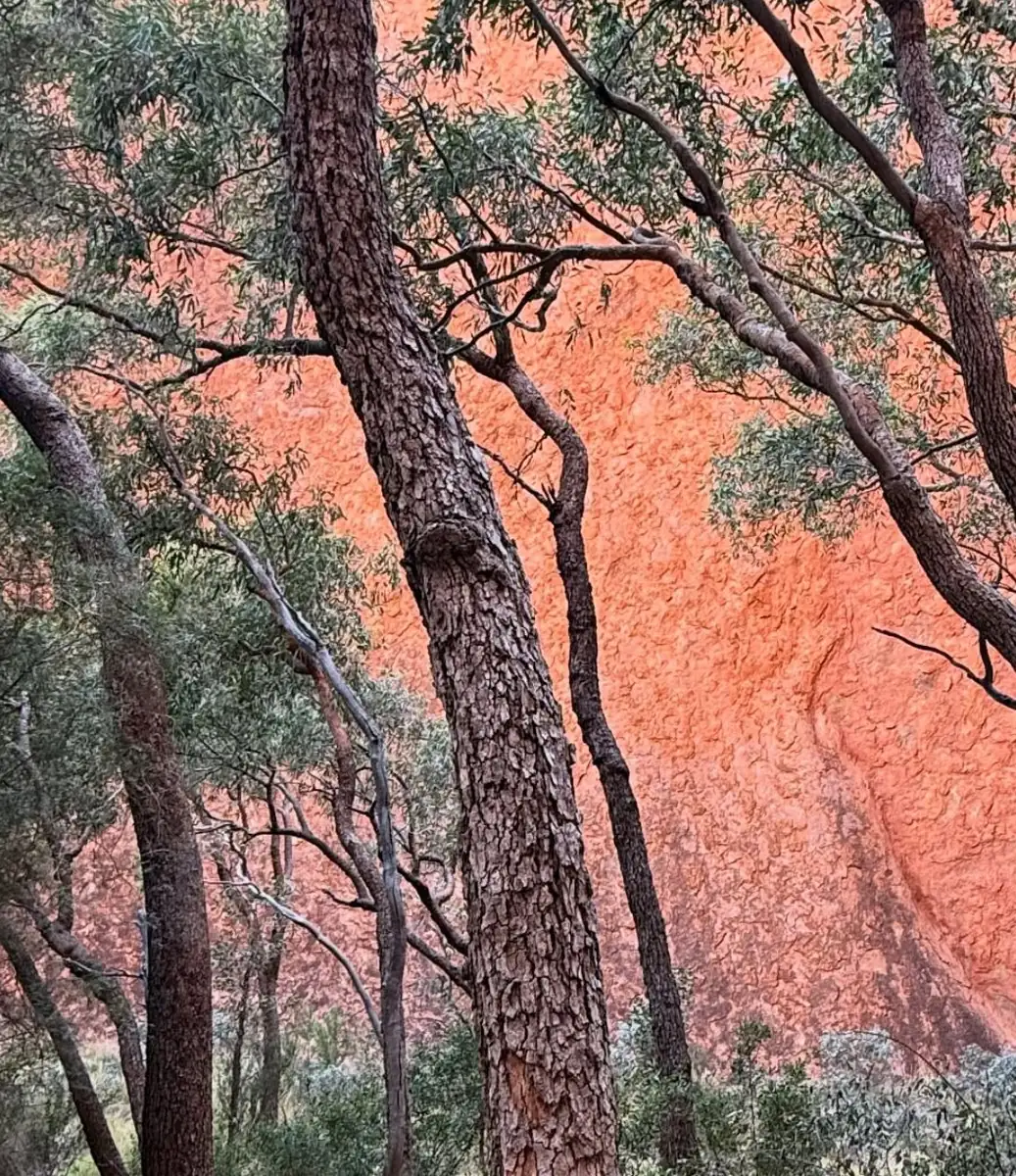
The region’s mulga woodlands, desert oaks, and sandstone environments are resilient but recover slowly from damage. With more than 300,000 annual visitors, even limited camping activity would create environmental pressure.
Camping introduces rubbish, vegetation damage, and additional impacts that the fragile desert ecosystem is not designed to absorb.
Enforcement Has Got Tougher In 2026
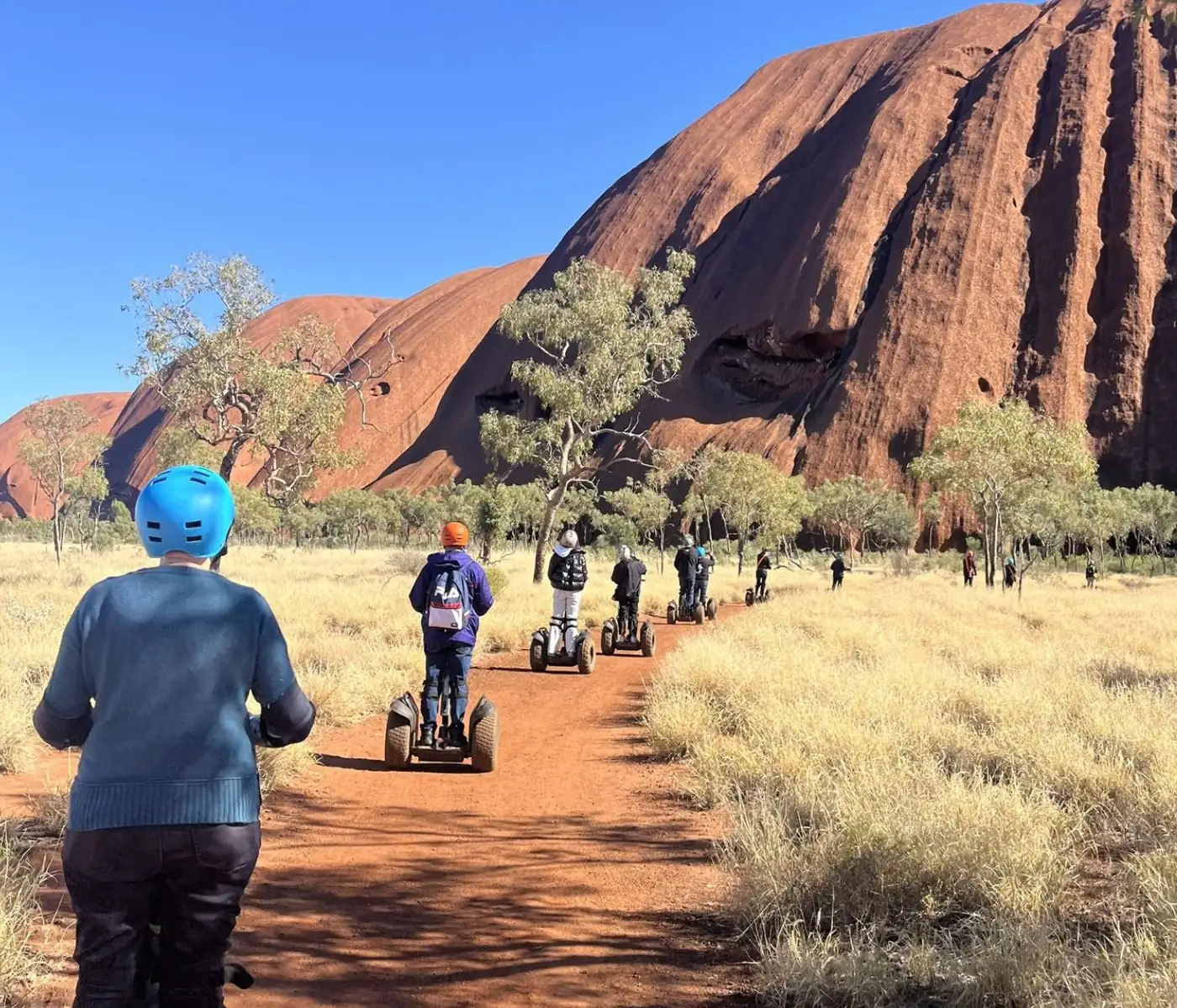
Parks Australia has increased signage and visitor education while maintaining strict enforcement. Rangers routinely clear viewing areas after sunset and do not permit overnight vehicle stays.
The focus is on helping visitors understand the cultural significance of the rules rather than simply policing them.
Where To Stay Instead – The Real Options & Costs
Most visitors stay in Yulara, located approximately 20 kilometres from the park entrance. This community provides accommodation options for every budget while remaining close to major attractions.
| Accommodation Type | Typical Cost (AUD) | What You Actually Get | Best For |
|---|---|---|---|
| Ayers Rock Campground | $45–$70 | Powered and unpowered sites, shared amenities | Budget travellers |
| Air-conditioned cabins | $120–$220 | Cooling and basic comfort | Families, short stays |
| Mid-range hotels | $300–$500 | Pool, dining, shuttle access | Couples |
| Glamping tents | $350–$800 | Comfort with an outdoor feel | Experience-focused travellers |
| Private lodges | $1,200+ | Premium service and curated experiences | Luxury travellers |
The main accommodation hub is Ayers Rock Resort, which provides easy access to sunrise and sunset viewing areas.
Food costs are higher than many travellers expect. Casual meals typically range between $25 and $40, while restaurant dining often exceeds $50 per person due to the remote location.
Getting There & Around
Most visitors arrive through Ayers Rock Airport, located only a short drive from Yulara.
Those travelling from Alice Springs should allow approximately five to six hours for the 450-kilometre drive. Although the highway is sealed, wildlife and road trains require extra caution.
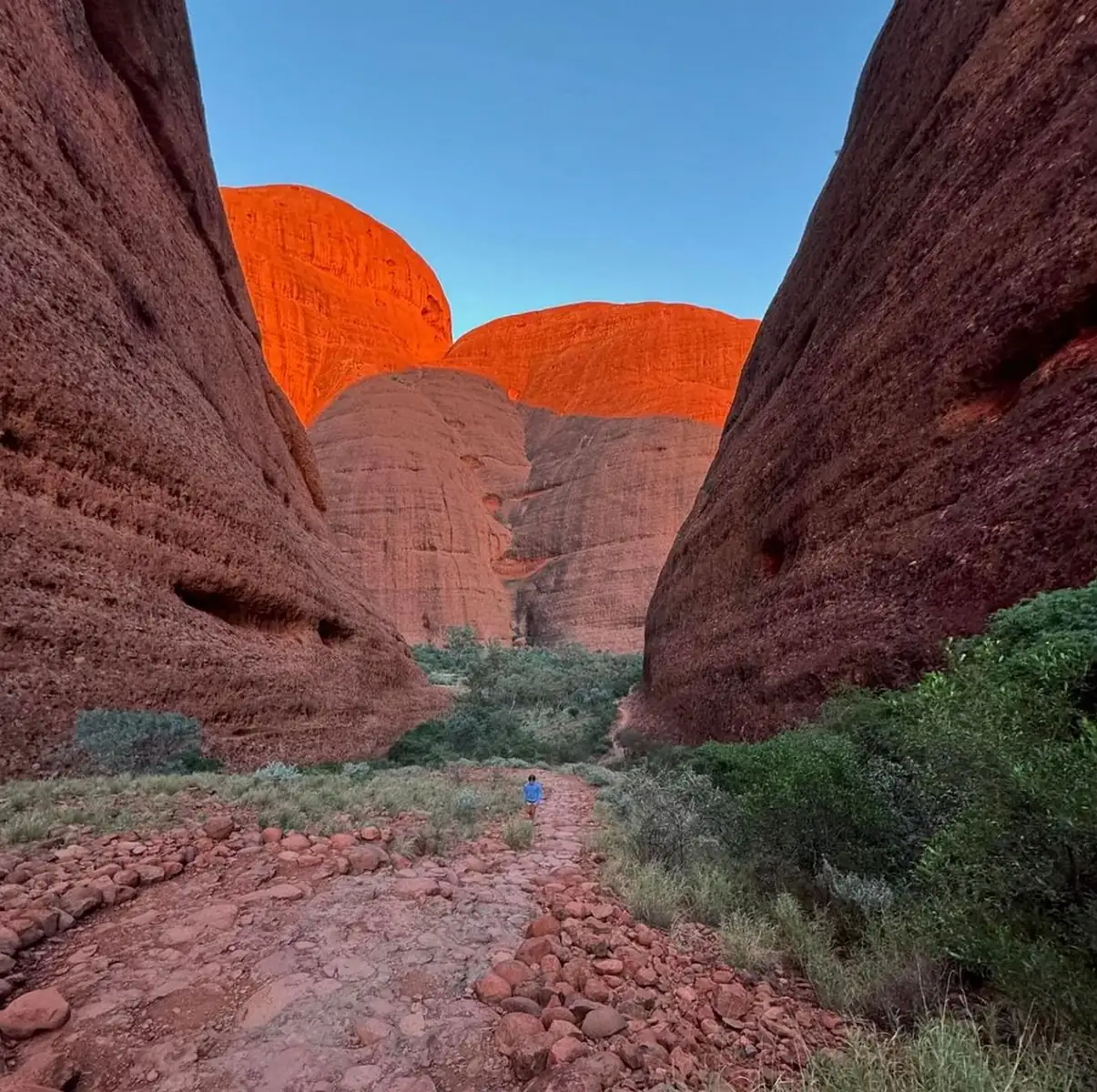
From Yulara, the drive to Uluru takes around 20 minutes, while Kata Tjuta can be reached in approximately 45 minutes.
Popular viewing areas become crowded during sunrise and sunset. Arriving 30 to 45 minutes early is recommended.
Visitors without a vehicle can use the local shuttle service or join guided tours.
What Most People Get Wrong – The Honest Lowdown
Many visitors underestimate both the distances and the climate. Uluru and Kata Tjuta may appear close on a map, but moving between attractions takes longer than expected.
The desert heat also catches people off guard. Many travellers assume they can remain in the park after sunset or find an unofficial place to stay overnight, which is not permitted.
Understanding the park’s structure, operating hours, and cultural expectations makes the entire experience smoother.
Plan Your Day Smart
During the cooler months from May to September, the base walk can comfortably be completed in three to four hours.
In summer, conditions become much harsher. Walks should begin around sunrise, with most visitors returning to air-conditioned accommodation by midday.
Hydration is critical. Visitors should carry at least 3–4 litres of water per person per day, with additional supplies required for longer walks.
Key Experiences – What's Worth Your Time
| Experience | Distance | Difficulty | Realistic Time | What You’ll Notice |
|---|---|---|---|---|
| Uluru Base Walk | 10.6 km | Easy–Moderate | 3–4 hrs | Rock formations and cultural sites |
| Mala Walk | 2 km return | Easy | 1–2 hrs | Cultural interpretation and shade |
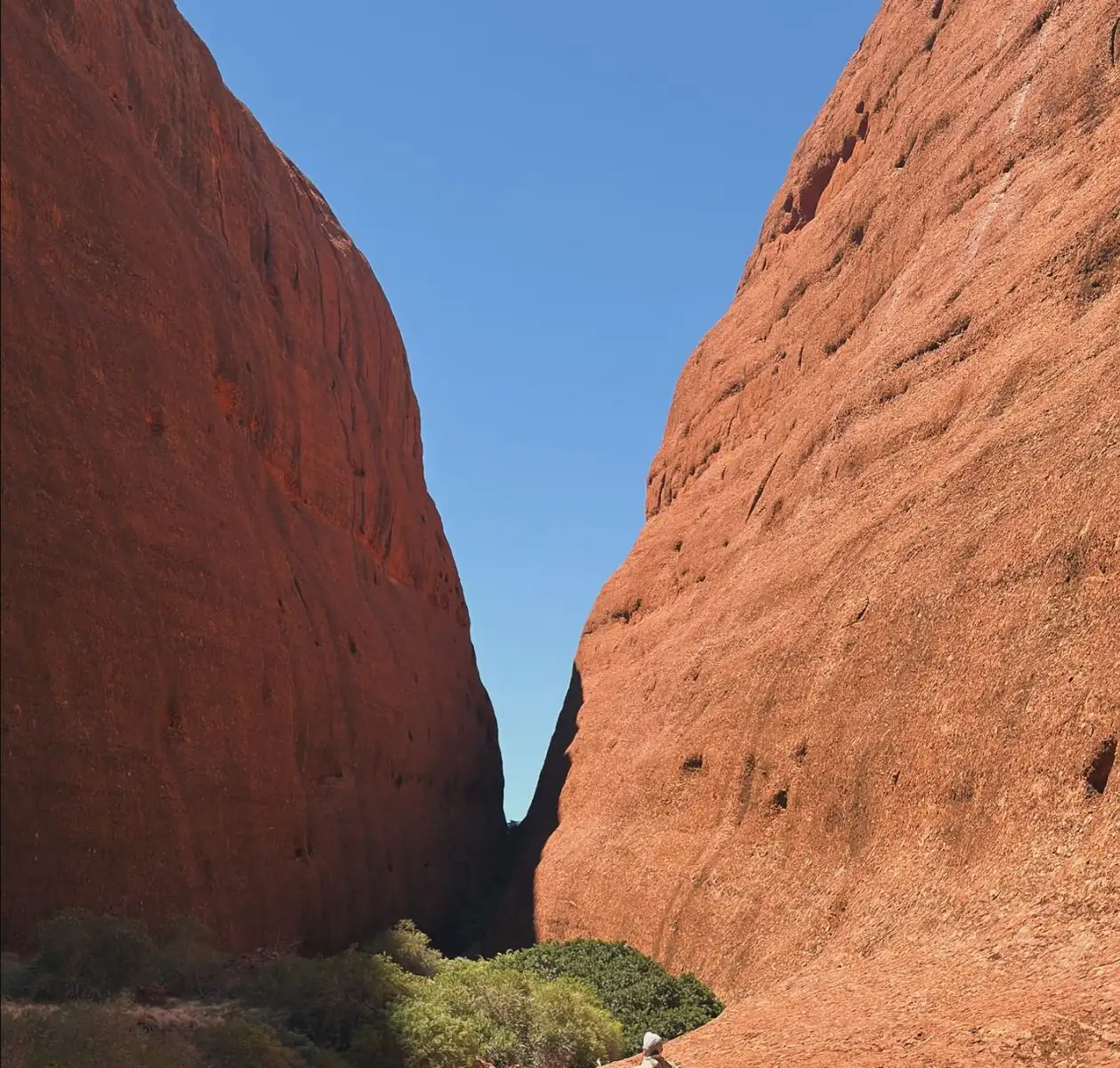
| Valley of the Winds | 7.4 km | Moderate–Hard | 3–4 hrs | Open views and steep sections |
| Cultural Centre | Short | Easy | 1 hr | Understanding local culture |
Evening attractions such as Wintjiri Wiru and the Field of Light by Bruce Munro are highly regarded experiences. However, visitors still return to accommodation outside the park afterwards.
Safety and Risk: The Stuff That Really Matters
The greatest hazard in the region is extreme heat. Shade is limited and visitors must rely on their own preparation, water supplies, and sun protection.
Distances often appear shorter than they feel when walking in desert conditions.
Travellers heading toward Kings Canyon or Kings Creek Station should plan fuel stops carefully and allow additional travel time.
Visitors should also respect cultural restrictions, photography guidelines, and access limitations where applicable.
Planning Your Day to Avoid Wasting It
If time is limited, focus on a sunrise visit, a section of the base walk, the Cultural Centre, and sunset viewing.
Combining the Mala Walk with sunset provides an excellent balance between cultural understanding and physical effort.
The complete Valley of the Winds circuit is rewarding but demanding and should only be attempted when weather conditions are suitable.
What Tour Operators See – And Why It Counts
Operators such as Wayoutback Tours consistently observe that travellers who slow down and prioritise quality experiences enjoy the destination more.
Joining guided Uluru tours often helps visitors avoid common planning mistakes while providing valuable cultural and historical context.
Respect The Rules, Get More Out Of It
You cannot stay overnight inside the national park, and enforcement of that rule is stronger than ever in 2026.
Fortunately, accommodation at Yulara provides everything needed for a comfortable visit while respecting both cultural protocols and environmental protection requirements.
Plan around the weather, allow adequate time, and embrace the experience respectfully. That’s how visitors get the most from Australia’s Red Centre.
FAQ
Can you sleep in your car inside Uluru-Kata Tjuta National Park?
You can’t – overnighting in a vehicle anywhere inside the park is strictly off-limits.
Where do you go to find a campsite nearby?
If you’re looking for a place to pitch a tent around Uluru, the nearest option is the Ayers Rock Campground at Yulara. They’ve got powered and unpowered sites available.
Do you need a national park pass to even set foot in the park?
Yeah, you do. A national park pass is required to enter, and that money goes a long way toward supporting conservation and park management.
Is it worth booking with a local Uluru tour guide?
In a word, yes. Uluru tours help with all the timing and logistics, and they really flesh out the area’s cultural context, too.
Are there ever any exceptions for overnight stays inside the park?
Actually, yes – but it’s not something for most of us travellers. It’s only under special circumstances, like research permits, that an overnight stay gets approved.