Is A Reverse Great Ocean Road Tour Better Than The Classic Route? A Straight-Talking Guide From The Road
Is a reverse Great Ocean Road tour better than the classic route? – A straight-talking guide from a bloke who knows the road — here’s the honest truth: yes, for most people, the reverse is better. You get to avoid the peak time crowds, grab your camera for the best light, and spend less time stuck behind cars and more time actually taking in the breathtaking views of the coast.
I’m Paul, and I’ve lost count of how many times I’ve driven the Great Ocean Road – leading groups, testing out new routes and occasionally learning the hard way that even I don’t always know it all. Putting in the right direction here isn’t just a technical decision – it’s all about having a relaxed drive or a day of stop-start frustration.
Changing Direction Benefits
Same road, same cliffs, same unpredictable weather… though to be honest, the weather can turn on you in about 10 minutes down there. But your timing, your exposure to traffic and how you interact with the coast all change completely when you head it the other way – eastbound, that is.
You Arrive At The Famous Sites At Times That Are Actually Enjoyable
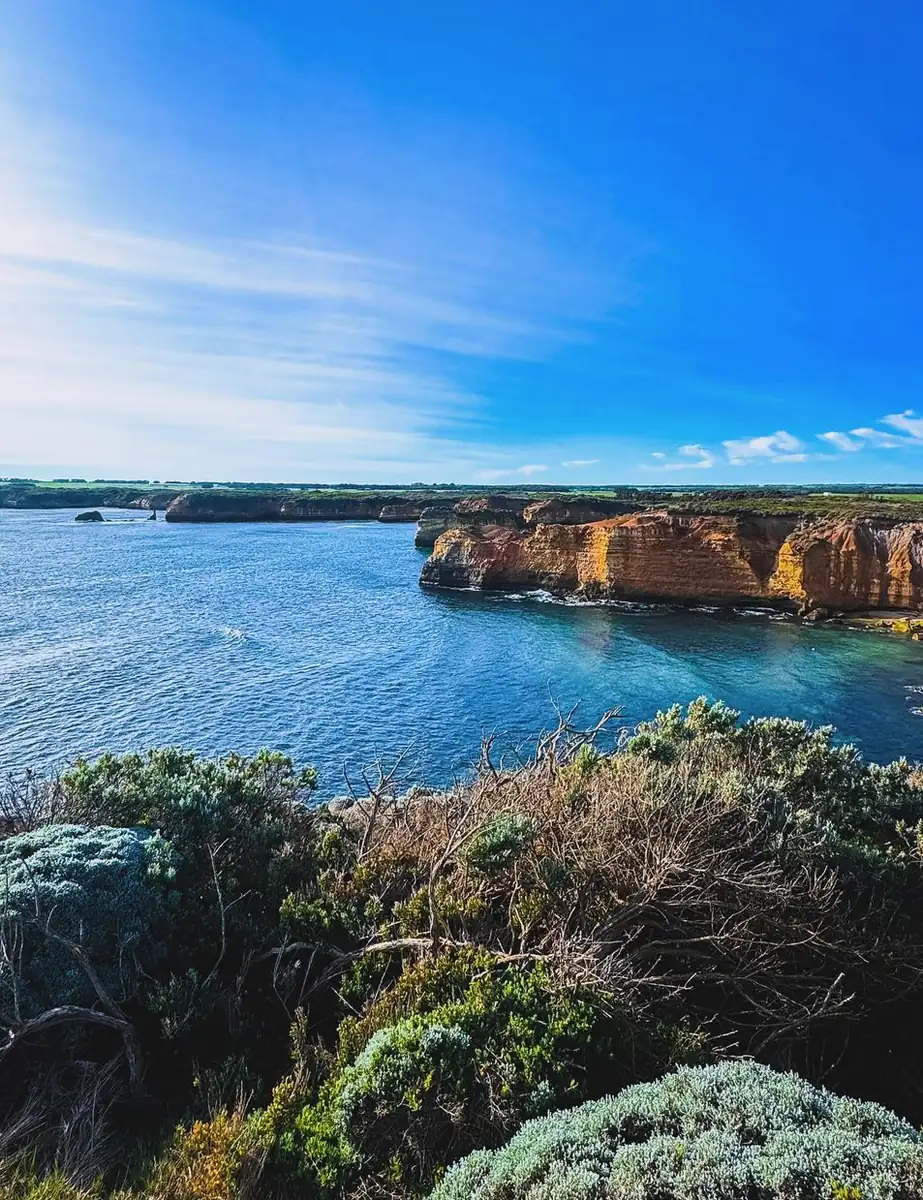
Most people leave Melbourne and head straight for the likes of the Twelve Apostles and Loch Ard Gorge – smack bang in the middle of the day. That’s when it’s the loudest, busiest and just about impossible to really take it all in.
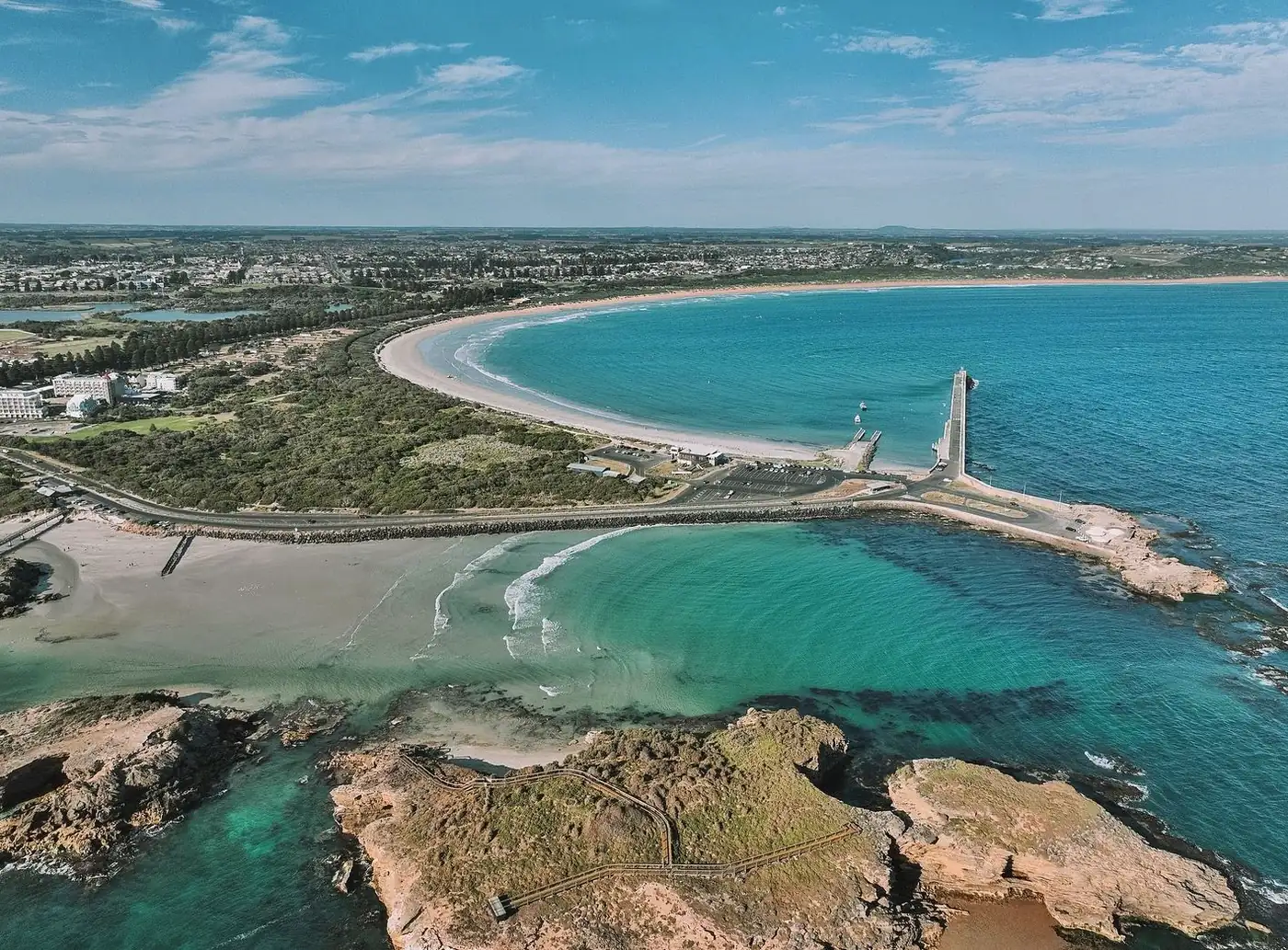
Doing it in reverse from Warrnambool or thereabouts, and you’ll be rolling in at those same places either at first light or just before sunset. Less noise, fewer big tour buses, and a whole lot better feel for the Shipwreck Coast.
It Makes A Big Difference When It Comes To Stopping And Taking In The Views
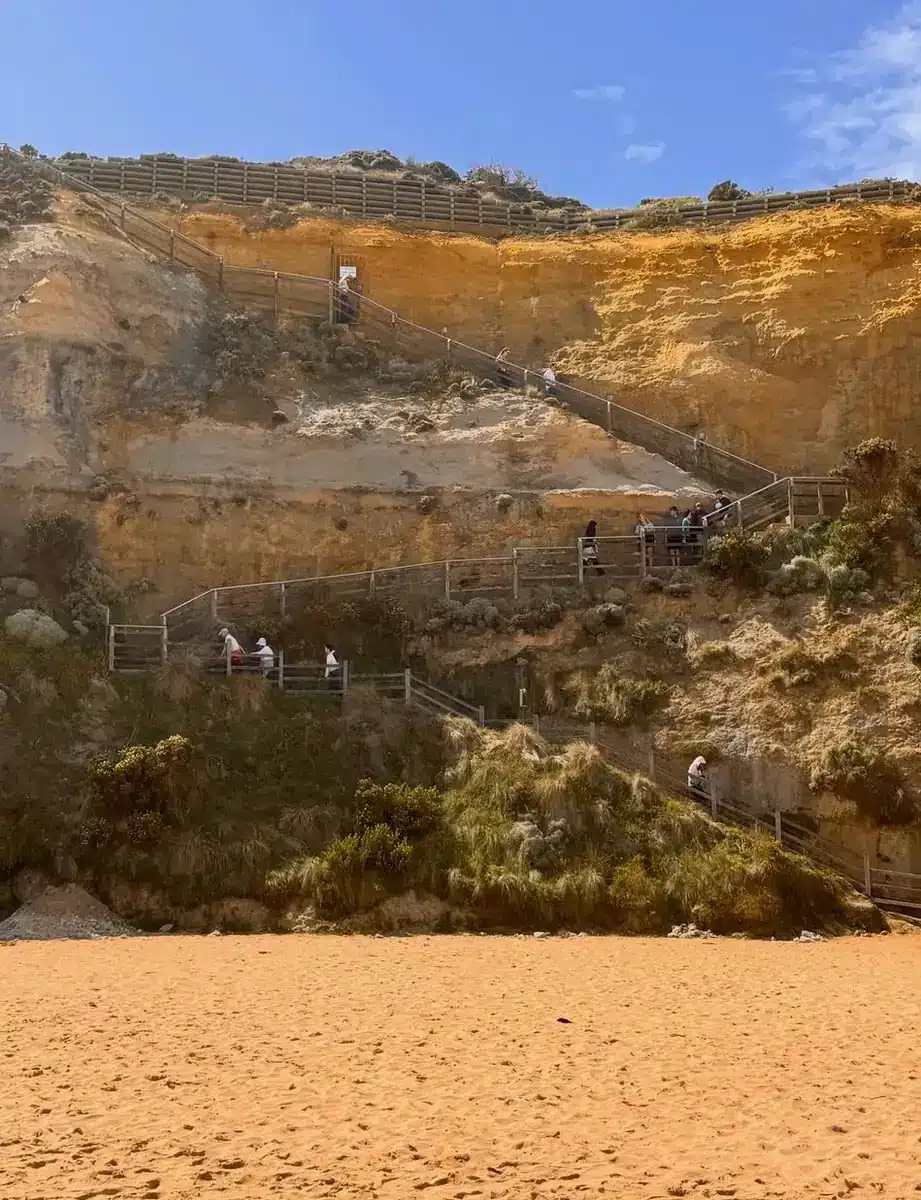
Driving east means you get to drive along the ocean side of the road, so you’re not constantly having to cross the road to get to the likes of Gibson Steps or London Arch. It may seem like a small point, but after a few hours of tight bends, it really starts to make a difference in fatigue and in keeping an eye out for other drivers.
What A Day's Drive Actually Looks Like
People have a funny idea about how long this drive takes when you do it right – it’s not just the distance you’re covering, it’s the stopping, the traffic and all the tight turns.
| Section | Distance | Realistic Time | Conditions You’ll Notice |
|---|---|---|---|
| Warrnambool → Apostles | ~75 km | 1.5–2 hrs | Quiet roads, best early light |
| Apostles → Apollo Bay | ~100 km | 2–3 hrs | Frequent stops, tighter traffic |
| Apollo Bay → Lorne | ~45 km | 1–1.5 hrs | Winding coastal + forest mix |
| Lorne → Melbourne | ~140 km | 2.5–3 hrs | Traffic builds near Bells Beach |
When you factor in all the stops and short walks, along with the usual “oh, let’s just check this one more lookout”, you’re looking at a full day – often 10 to 12 hours if you try to cram it all in one go
Common Traveller Mistakes
After years of running Melbourne Coastal Tour itineraries, I’ve seen the same mistakes pop up time and time again.
Travellers fall into the trap of wanting to stop at every single lookout along the way. Newsflash – that’s the fastest way to burn through energy and time, and then you end up rushing the really important highlights towards the end of the day because you’re running behind schedule. I’ve seen people waste 20 minutes at some minor viewpoint, then rush through the Apostles because they’re running so late – 5 minutes isn’t exactly a lot of time to take in one of the biggest draws of the whole trip.
Another common mistake is underestimating just how fatigued you’ll get by mid-afternoon – the road isn’t exactly treacherous if you drive properly, but it does demand a certain level of attention. By this stage, especially on a classic route, drivers are starting to get tired, there’s more traffic around, and your decision-making skills start to slip – reverse routing can at least spread that load a bit more evenly.
And then there’s the whole issue of timing expectations – people often think they’re going to just cruise through the day, but in reality, you’ve got slow bits, unpredictable weather, and the constant stop-start driving starts to take its toll. When reality doesn’t match up to expectations, that’s where all the frustration comes from.
Key Stops That Are Actually Worth Your While
You don’t need to hit every single lookout that’s been signposted – focus on the ones that give you the most bang for your buck in terms of time and effort.
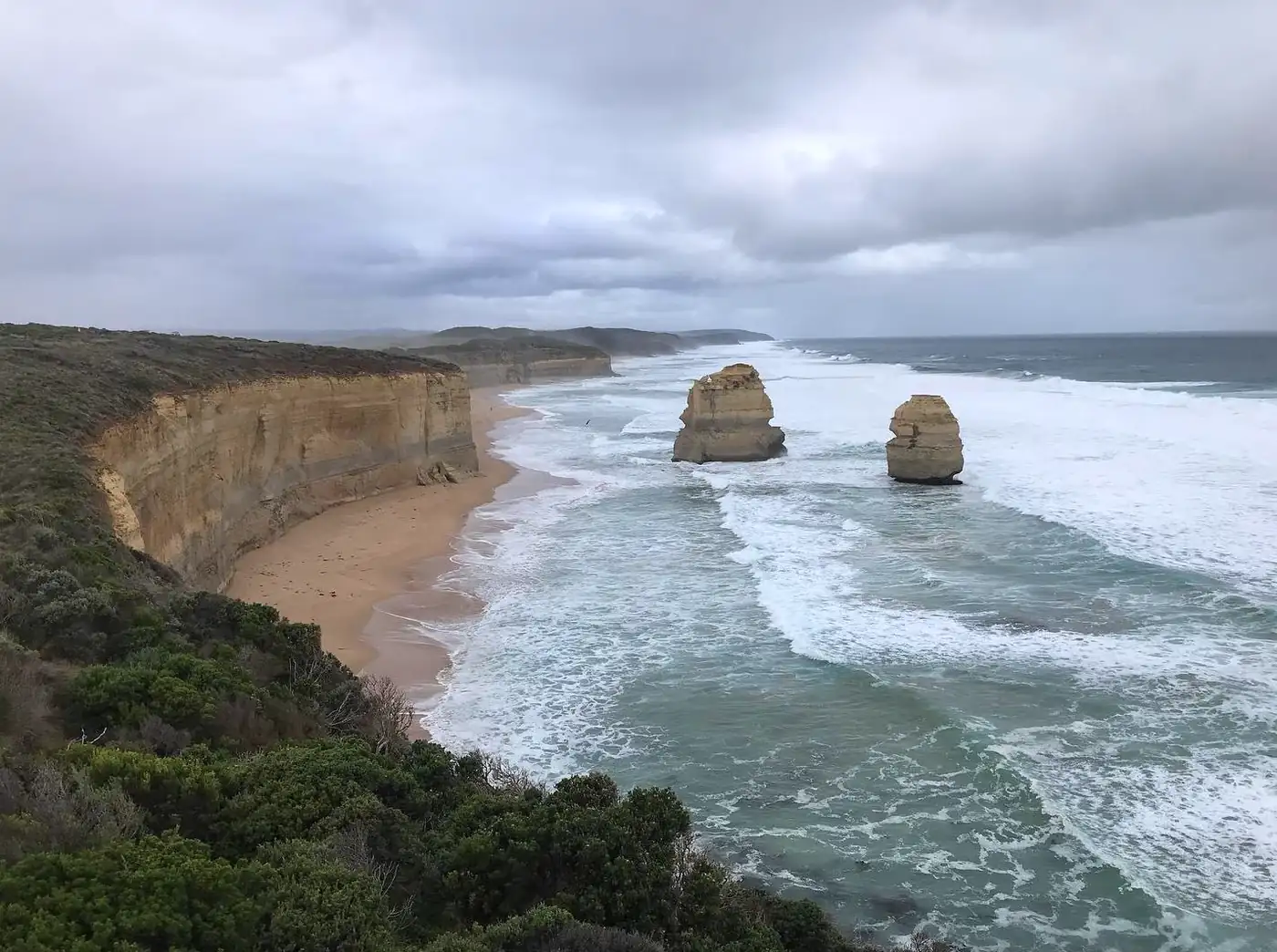
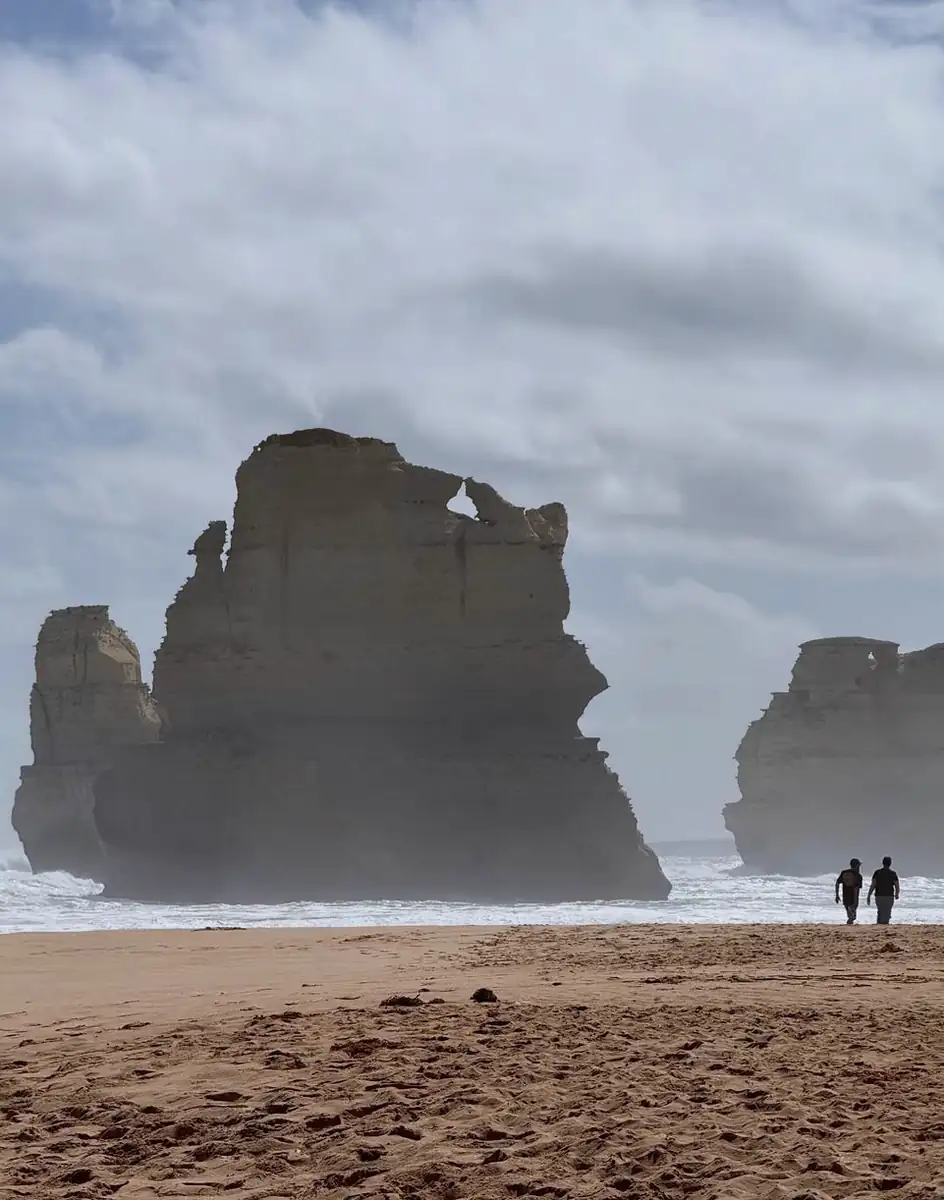
The Twelve Apostles are a must see, but when you time it right (i.e. either at dawn or at dusk) the whole experience is just transformed. Loch Ard Gorge is often the one that ends up sticking in people’s minds – plus it’s been a bit easier to get to, and you get a stronger sense of the coastline’s history. Even better.
The Gibson Steps come into their own if you can get the tide right and don’t mind the stairs – it’s one of the few places you can actually get down to sea level. Just don’t force it when the conditions aren’t great – the sea and wind can turn on you in a heartbeat.
Later on, Apollo Bay is the place to grab some fuel, grab some food, and give yourself a proper break up the day. You’d be amazed at how many people skip this stop and regret it later – trust me, I’ve seen it happen.
Logistics That Actually Make A Difference On The Road
Getting the route right is just the start – it’s the little things that’ll either save or sink your day.
Most visitors still base themselves in Melbourne, which means you’ve got two choices: drive inland to the western start point or book a one-way car hire. The one-way options are out there, but they’re few and far between and get snapped up early if you don’t move fast.
Parking is another little quirk that catches people out – the Apostles car park fills up fast, especially between late morning and mid-afternoon. But if you can swing by outside of those hours, all the better. Smaller stops like Loch Ard Gorge have pretty tight access, so working out the timing is your best bet.
Fuel planning is pretty simple – but it’s also pretty important. Petrol stations aren’t exactly as common as say, Maccas – so it makes sense to fill up in the bigger towns – and don’t assume the next place you stop is going to have what you need. I’ve seen plenty of travellers watching their fuel gauge with a nervous eye – which is just not how you want to be spending your drive.
Costs You'll Actually Feel The Pinch Of
A trip here isn’t exactly free, and it can add up in a hurry if you’re not ahead of the game.
Car hire is usually around $70- $150 per day, give or take. Fuel is a bit of a wild card – but you’re looking at somewhere between $60-$120 – and that’s just for the basics. Food can be as cheap or as expensive as you like, but $20-$40 per person is a pretty safe bet.
Accommodation – if you need to stay overnight – is all over the place. A basic cabin at the caravan park might cost you around $120 – but if you want to splash out a bit more, you could be looking at $250 or more.
Guided tours – places like Melbourne Coastal Tours, which do the Melbourne Coastal Tour experience, usually run from $120-$180 per person. When you factor in the cost of fuel, fatigue, and the time spent navigating the route, a lot of visitors find it’s actually pretty good value at the end of the day.
Safety, Conditions & How to Keep Out of Trouble
This isn’t the Outback, but don’t expect this to be a Sunday drive either – the weather’s going to have a say in things.
When the rain sets in, everything changes. The roads get slippery, visibility plummets, and those twisty bends need your full attention. Don’t be surprised if the wind along the cliffs is a lot fiercer than you’d expect, especially near places like Cape Otway, where the elements always seem to be having a go.
And then there are the coastal access points – they come with their own risks. At Gibson Steps, the tides are pretty important. Pay no heed to them and you’ll either miss out on the fun or find yourself in a spot of bother. And do remember, cliff edges are not the place to see how steady your balance is – the barriers are there for a reason.
You’ve also got to be on the lookout for wildlife – those early morning and evening hours are when the roos like to be out and about, and as you know, they don’t exactly drive by the book. Hitting one of them will put a pretty big dent in your plans.
The Real Scenarios That'll Actually Work
If all you’ve got is a day, the reverse route will still work – but you need to be ruthless with your time. Focus on the Twelve Apostles, Loch Ard Gorge, and one decent spot – like Apollo Bay – and forget about all the smaller lookouts that aren’t worth the detour. It’ll still be a long day, but at least you’ll have a good story to tell.
If you’re trying to decide which bit of the trip matters most, I reckon the part of the road around Port Campbell and the Shipwreck Coast is the way to go. That’s where the real scenery starts to kick in.
If you’re not comfortable driving on twisty coast roads, then this trip might not be the one for you – in which case, a guided tour is probably the way to go. Less stress, better pacing, and someone else dealing with all the tricky bits.
Who This Trip is For
This route is really going to suit the people who are happy to take their time, confident behind the wheel and willing to chuck the plan out the window if the weather gets the better of them. If you’re after a relaxed, flexible road trip, then the reverse route will deliver.
The reverse route isn’t the best fit for people trying to rush on a tight schedule or those who aren’t exactly at ease driving on narrow coastal roads. I’ve seen people try to push through despite their reservations – and believe me, neither group is exactly over the moon at the end of the day.
Seasonal Considerations
Summer brings long days and an easier time of it, but also means it’s going to be chock-a-block with other tourists and traffic, and you’ll probably find all the popular spots are heaving with people. On the other hand, in the winter, things flip the other way around – fewer people, moody skies, and a coastline that looks pretty dramatic. Yes, it’s colder, but a lot of people find it a lot more enjoyable if you don’t mind bundling up.
The shoulder seasons are probably your best bet – relatively mild weather, not too much traffic and a better all-round balance. That’s when I usually recommend this trip.
The Verdict: Reverse Route is the One to Go For
After years of doing this road trip, the pattern is pretty clear – reverse routing is the way to go. It gives you better timing, less stress and an overall better experience. It’s not about doing something different; it’s about doing it the smart way.
If the classic route is the only one that works for you, that’s okay – it’ll still give you a good time. But if you’ve got the choice, flip it. You’ll see more, enjoy more, and at the end of the day, you’ll actually feel like you’ve experienced the place, not just ticked it off the list.
The Simple Lowdown
- The reverse route is going to give you much better timing, heaps fewer crowds & a whole lot smoother drive.
- The classic route is easier to sort out, but comes with a whole heap of heavier traffic.
- The key to a good time is just to plan ahead, take it easy and don’t try to cram too much in – that’s the real secret to a great trip.

FAQ
Does Driving Direction Really Make a Difference?
Oh yeah – it makes a big difference in traffic flow, parking, lighting and just the overall vibe of the place. Most people would be surprised by just how big a difference it makes.
Can You Still See Everything On A Reverse Route?
You bet you can. You won’t be missing out on any of the big-name stops – you’ll just be seeing them at better times when they’re not as crazy busy.
Is One Day Enough?
It’s doable, but it’s going to be a pretty tight squeeze. Two days is the way to go if you want to have a really good time.
Are Guided Tours Worth It?
Definitely for lots of travellers. They take the stress out of driving and planning, especially on a long day when you just want to chill.